
Japan in 2026 feels familiar in many ways, but a lot has quietly changed behind the scenes.
Taxes are going up, shopping rules are different, and some famous spots now have strict limits on how many visitors they allow each day.
If you have not checked the latest rules, your trip could cost more or run into a few surprises.
Here are the 7 updates worth checking before you book or pack. 😊
1. Japan’s Departure Tax Increase
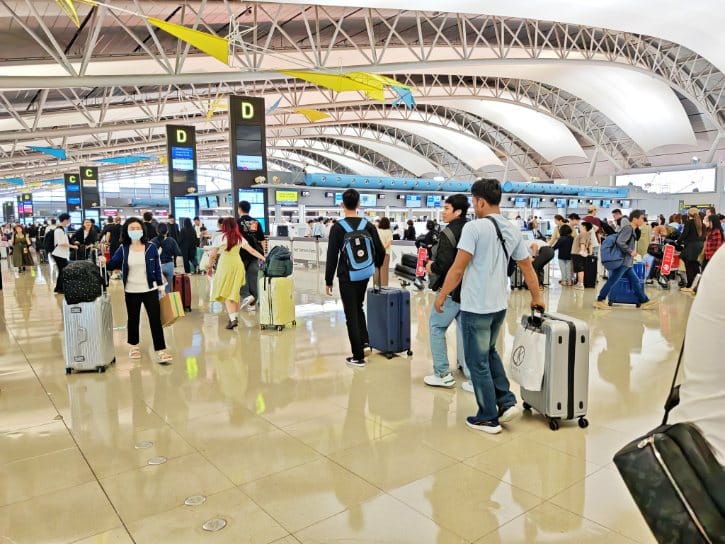
Japan is raising its International Tourist Tax, often called the “Sayonara Tax”. This is a small fee you pay when you leave the country, and the amount is going up sharply in 2026.
a. What Is Changing
- The tax has been ¥1,000 per person since January 2019.
- From July 1, 2026, it triples to ¥3,000 per person.
- It applies to international flights and ferries leaving Japan.
b. Who Has to Pay
- All departing passengers, including foreign tourists and Japanese residents.
- Children aged 2 and older pay the full rate.
- Infants under 2 are exempt.
- Transit passengers staying less than 24 hours are also exempt.
c. How You Pay
The tax is already included in your airline or ferry ticket price. You do not pay it separately at the airport, and there are no special counters or cash desks for it.
If your ticket was issued on or before June 30, 2026, you keep the old ¥1,000 rate, even if your actual flight is later. This is a useful detail if you are booking early.
d. Why It Matters for Families
The tax is per person, so it adds up quickly for groups.
- A family of four currently pays ¥4,000 total.
- After July 1, 2026, the same family will pay ¥12,000.
Before you book, check your ticket confirmation to see how the tax is shown. The money will go toward better waste management, transport links, multilingual signs, and the upkeep of heritage sites affected by heavy tourism.
2. Japan Rail Pass Price Increase
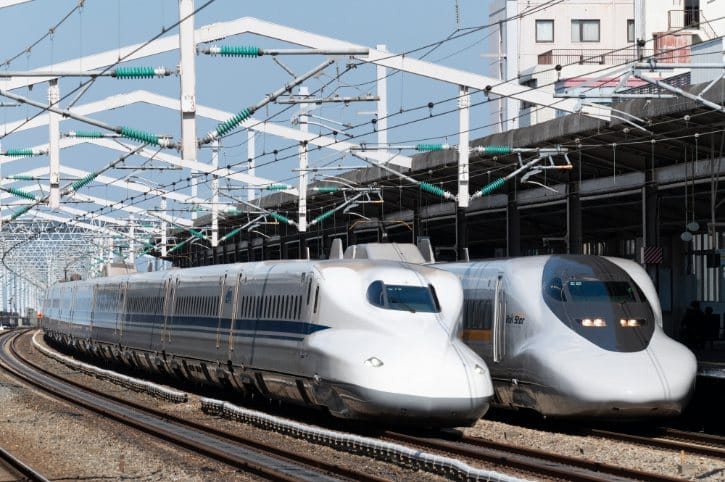
The famous Japan Rail Pass is no longer the automatic bargain it used to be. Prices are rising again, and the math may not work for your trip.
a. The New Prices
A price increase takes effect on October 1, 2026, but only for passes bought through overseas travel agencies. If you buy directly from the official JR online site, you keep the older rates for a limited promotional period.
Here are the new agency prices compared to the official online prices:
- 7-Day Ordinary Car: ¥50,000 (online) vs ¥53,000 (agency)
- 14-Day Ordinary Car: ¥80,000 vs ¥84,000
- 21-Day Ordinary Car: ¥100,000 vs ¥105,000
- 7-Day Green Car: ¥70,000 vs ¥74,000
- 14-Day Green Car: ¥110,000 vs ¥116,000
- 21-Day Green Car: ¥140,000 vs ¥147,000
Children aged 6 to 11 pay exactly half of the adult fare.
b. What the Pass Still Excludes
- The Nozomi (Tokaido-Sanyo line) and Mizuho (Sanyo-Kyushu line) trains are not covered. You need a paid supplement to ride them.
- For most travelers, this means longer journeys on the slower Hikari or Sakura trains.
c. Regional Pass Changes in 2026
- On March 14, 2026, JR East combined its old Tohoku and Nagano-Niigata passes into a new JR EAST PASS: ¥35,000 for 5 days or ¥50,000 for 10 days.
- The Hokuriku Arch Pass (Tokyo to Osaka via Kanazawa) is now ¥35,000 for 7 days.
- The JR Tokyo Wide Pass is ¥16,000.
- The Narita Express (N’EX) Round Trip Ticket is ¥5,200.
d. Is the National Pass Still Worth It
For many popular trips, the pass is now more expensive than buying individual tickets. Here are three common routes:
- Tokyo, Kyoto, Osaka, back to Tokyo: about ¥28,000 in regular tickets. The 7-day pass at ¥53,000 is roughly ¥25,000 more expensive.
- Tokyo, Kyoto, Osaka, Hiroshima, back to Tokyo: about ¥43,000 in tickets. The pass is still around ¥10,000 more expensive.
e. Alternatives Worth Considering
- Regional JR passes for specific areas.
- Individual Shinkansen tickets for direct routes.
- Domestic flights for long distances like Tokyo to Hokkaido or Okinawa.
- Highway buses for budget overnight travel.
- IC cards (Suica, Pasmo, ICOCA) for trains, buses, and even convenience stores.
If you buy on the official site, there is one more bonus: from April 1, 2026, you can pick up your pass at ticket vending machines with passport readers instead of waiting in line at JR ticket offices.
3. Tax-Free Shopping Rule Changes
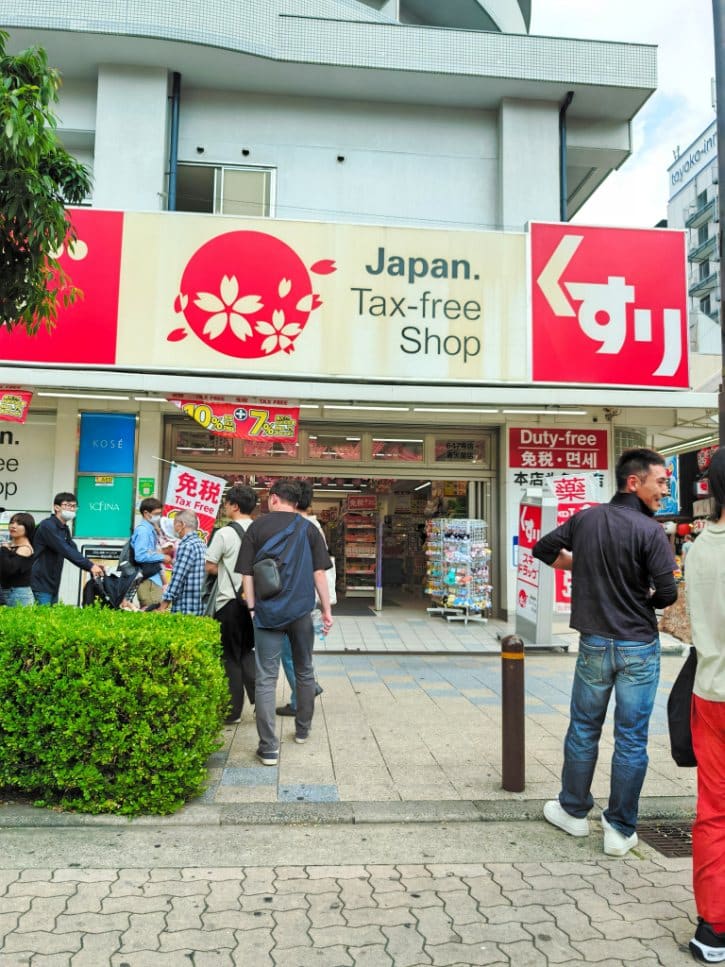
Japan is changing how tax-free shopping works for tourists. The instant discount at the till is going away, and a new “pay first, refund later” system is taking over.
a. What Is Changing
- Starting November 1, 2026, you pay the full 10% consumption tax at the shop.
- You claim your refund at the airport or seaport before you leave the country.
- Refunds are processed at automated self-service kiosks that scan your passport.
b. How the New Refund Works
- Shops send your purchase records to the customs database automatically.
- The kiosk checks your record and tells you if customs needs to inspect your goods.
- You can speed things up by creating a Tax-Free QR code on the official Visit Japan Web site before you shop.
- Refunds can be sent to your credit card, digital wallet, or paid at a cash counter.
c. The Rules That Still Apply
- You still need to spend at least ¥5,000 (before tax) at one store on the same day.
- Goods must leave Japan within 90 days of purchase.
- The difference between general goods and consumables has been simplified.
- The old rule about sealing consumables in tamper-evident plastic bags has been dropped, so you can pack your items more easily.
- The separate shipment exemption has ended. You must carry tax-free goods out of Japan in your luggage. Items shipped home as cargo are taxed normally.
d. What to Do at the Airport
- Keep your receipts and any paperwork the shop gives you.
- Carry your purchases in a way that makes them easy to show if asked.
- Arrive at major airports like Haneda, Narita, and Kansai at least 4 hours before your flight, as queues are expected to get longer.
- Ask the shop staff if your purchase is being processed under the new digital system.
The tax-free discount is no longer instant, so plan your shopping budget knowing you will see the full price first.
4. Power Bank Restrictions on Flights
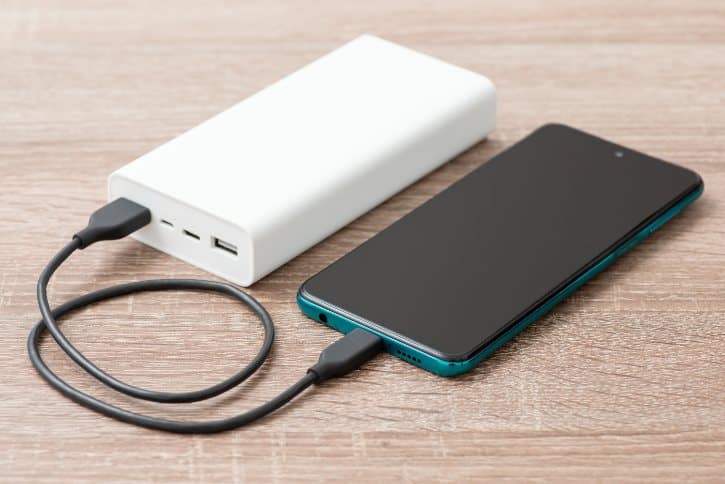
Power banks are now under stricter rules in Japan due to a rise in cabin fires linked to lithium-ion batteries. The new rules come from Japan’s Ministry of Land, Infrastructure, Transport and Tourism (MLIT).
a. Where You Can Carry Them
- Power banks are banned from checked luggage.
- They must travel in your cabin baggage
- They must stay visible and within reach, such as in a seatback pocket. Do not put them in the overhead bin.
b. New Onboard Usage Rules
A rule that took effect on April 24, 2026 changed how you can use power banks during the flight:
- You cannot charge your power bank using the seat power outlet.
- You cannot use the power bank to charge your phone or other devices during the flight.
The reason is simple: if a battery starts to overheat, the cabin crew needs to spot it and act fast.
c. Battery Capacity Limits
You can carry up to two power banks, and each one has size rules:
- 100 Wh or less (about 27,000 mAh): allowed in cabin, up to 2 units.
- More than 100 Wh up to 160 Wh: allowed in cabin with airline approval, max 2 units.
- More than 160 Wh: banned in both cabin and checked baggage.
Japan Airlines and other Japanese carriers have warned that from January 2027, the default approval-free limit may drop to 100 Wh to match new global rules.
d. How to Check Your Power Bank
Many power banks show capacity in milliampere-hours (mAh) rather than watt-hours (Wh). To work out the Wh rating, use this simple formula:
- Wh = (mAh × V) ÷ 1000
- V is the voltage, usually 7V for standard lithium-ion cells.
For example, a 20,000 mAh power bank at 3.7V is about 74 Wh, which is well within the limit.
e. Practical Tips Before You Fly
- Check the Wh rating printed on your power bank before you pack.
- If the rating is scratched, faded, or missing, security can take it away.
- Do not bring swollen, damaged, or very old power banks.
- Keep your power bank near the top of your bag for easy access at security and on the plane.
5. Visitor Caps at Popular Spots
Japan is putting limits on some of its busiest attractions to protect both the sites and the local communities. If you are planning to visit famous spots, check the rules in advance.
a. Mount Fuji Climbing Rules
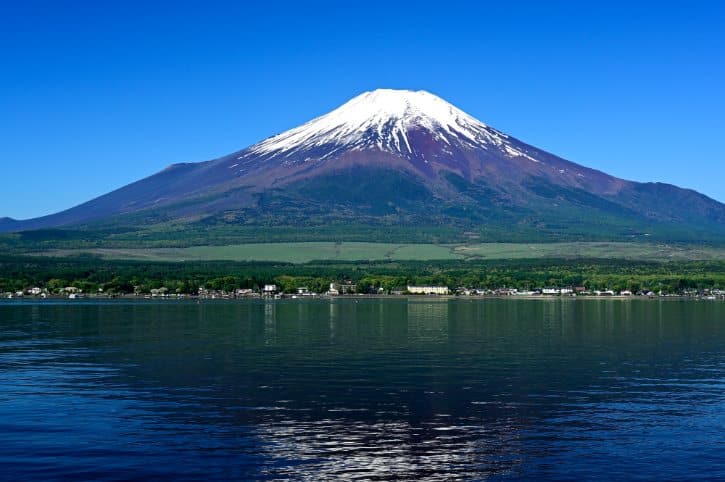
For the summer climbing season, Shizuoka and Yamanashi prefectures now share the same rules across all four climbing trails (Yoshida, Fujinomiya, Gotemba, and Subashiri).
- Entry fee: ¥4,000 per person.
- Yoshida Trail daily limit: 4,000 climbers (3,000 online slots, 1,000 same-day walk-ups).
- Gate closure hours: trailhead gates are closed between 2:00 PM and 3:00 AM to stop overnight “bullet climbing” unless you have a confirmed mountain hut booking.
- Gear inspection: rangers check that you have proper hiking boots, rain gear, and warm layers. Climbers without them are turned away.
b. Kyoto Gion Photo Ban
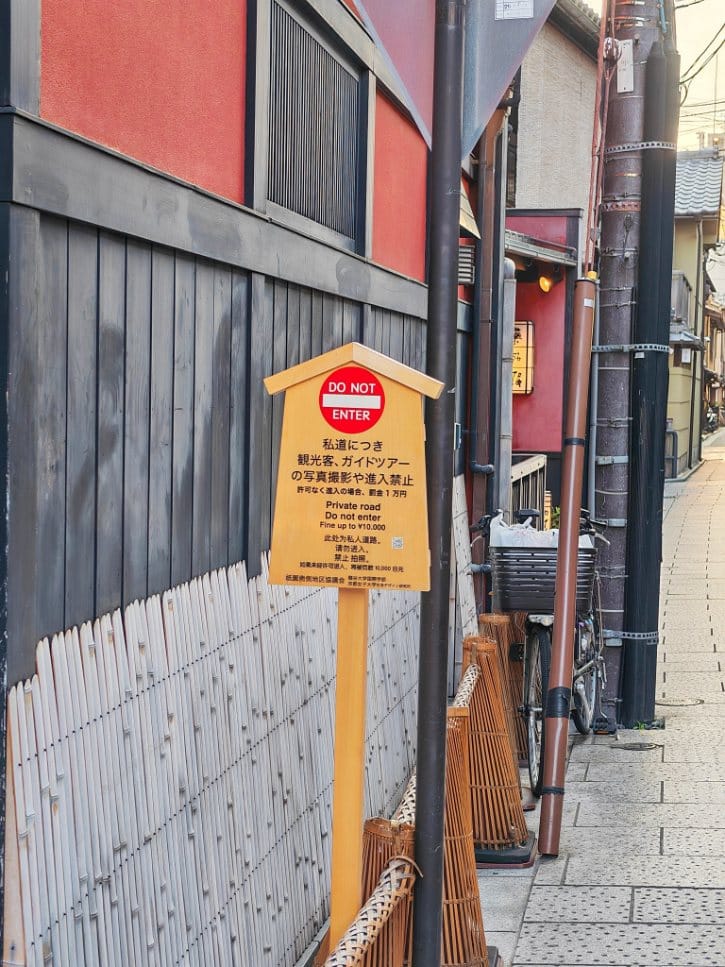
In Kyoto’s historic Gion district, tourists are no longer allowed to enter or photograph private residential alleys off Hanamikoji Street.
- The ban covers private side streets such as Kosode Koji.
- Signs in several languages mark the off-limits areas.
- CCTV cameras monitor the area.
- The fine for breaking the rule is ¥10,000.
The wider goal is to protect geiko and maiko from harassment by visitors trying to take photos.
c. Himeji Castle Dual Pricing
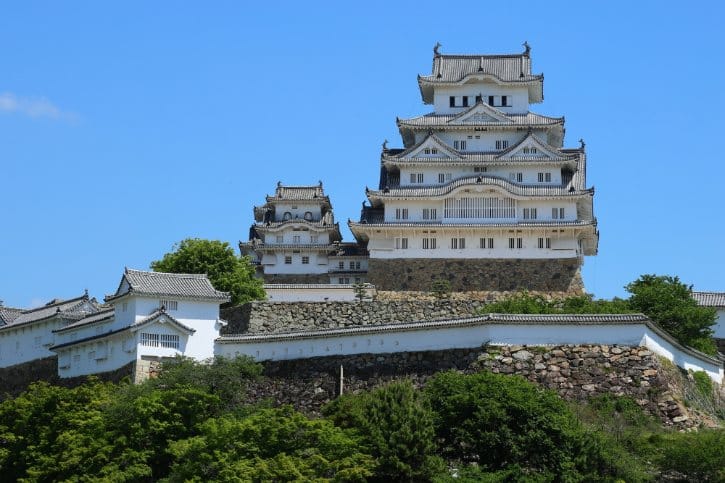
Starting March 1, 2026, the UNESCO World Heritage site Himeji Castle uses a two-tier pricing system to help fund repairs and earthquake-proofing.
- Himeji City residents (18+): ¥1,000 (requires My Number Card or driver’s license).
- Non-residents and tourists (18+): ¥2,500.
- Under 18: free for both groups.
This is a pilot project. The Japan Tourism Agency is working on national guidelines that could bring similar dual pricing to other museums and landmarks.
d. Practical Tips for Crowded Spots
- Book your Mount Fuji climbing slot online well ahead of your trip.
- Use official websites, not old blog posts, to check the latest rules.
- Visit popular spots early in the morning or on weekdays.
- Have a backup plan in case a site is fully booked or closed.
- Be respectful: do not block roads, enter private property, ignore signs, or stop in unsafe places for photos.
6. Kyoto Accommodation Tax Changes
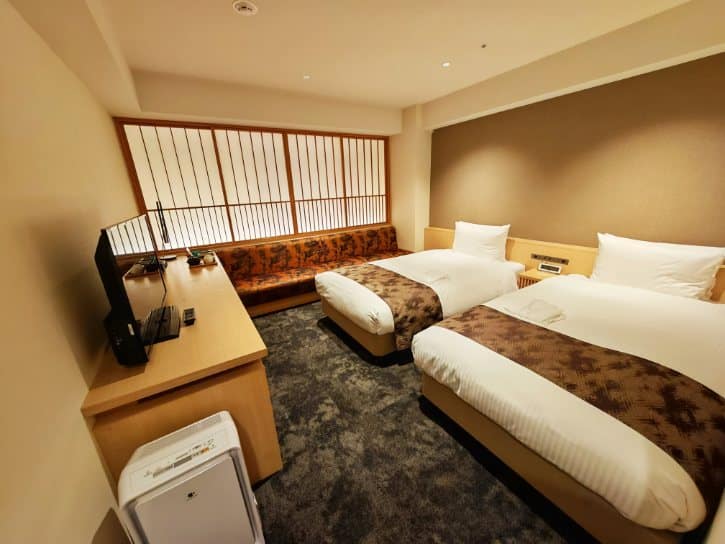
Kyoto now has the most detailed hotel tax system in Japan. It is designed so that budget rooms stay cheap while luxury stays pay much more.
Read More: 10 Best Hotels in Kyoto
a. The New Five-Tier Tax
The new rates took effect on March 1, 2026. The tax is charged per person, per night, and is based on the room rate (including service charges but excluding the 10% consumption tax, meals, and other extras).
- Under ¥6,000: ¥200
- ¥6,000 to ¥19,999: ¥400
- ¥20,000 to ¥49,999: ¥1,000
- ¥50,000 to ¥99,999: ¥4,000
- ¥100,000 and above: ¥10,000
b. Who Pays and Who Is Exempt
- The tax applies to all short-term lodging: hotels, ryokan, hostels, guesthouses, and licensed Airbnb-style rentals (minpaku).
- Children under 12 are exempt.
- Registered school trips, including students and teachers, are fully exempt.
c. Real-World Examples
Here is how the tax adds up for different travelers:
- Solo traveler, 3 nights at ¥15,000 per night: ¥400 × 3 = ¥1,200.
- Couple, 4 nights in a ryokan at ¥60,000 per night (¥30,000 per person): ¥1,000 × 2 people × 4 nights = ¥8,000.
- Family of four (2 adults, 2 children under 12), 3 nights at ¥18,000 per person: ¥400 × 2 adults × 3 nights = ¥2,400 (children are exempt).
- Couple in a luxury suite, 4 nights at ¥200,000 per night (¥100,000 per person): ¥10,000 × 2 people × 4 nights = ¥80,000.
This can add up quickly if you are staying in higher-end rooms.
d. How to Avoid Surprises at Check-Out
- Most online booking sites do not include the Kyoto tax in the price you see.
- You usually pay the tax in cash or by card at the front desk during check-in or check-out.
- Always read the taxes and fees section of your booking before you confirm.
- Keep a small cash reserve in yen for hotels that cannot process card payments for local taxes.
7. New Accommodation Taxes in More Cities
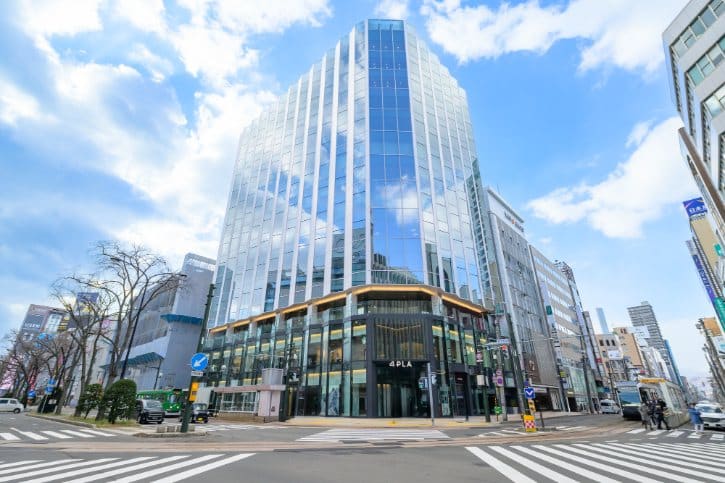
Hotel taxes used to be a Tokyo and Osaka topic. In 2026, many more cities and prefectures across Japan are adding their own lodging taxes.
a. Where the New Taxes Apply
Here is a quick guide to the major changes:
- Hokkaido (prefectural, from April 1, 2026): A sliding scale from ¥100 to ¥500 per night based on the room rate.
- Sapporo (city surcharge on top of the Hokkaido tax): ¥200 for rooms under ¥50,000, and ¥500 for rooms of ¥50,000 or more.
- Kutchan Town (Niseko ski area): Rises from 2% to 3% of the room rate on April 1, 2026.
- Hiroshima Prefecture (from April 1, 2026): Flat ¥200 per night on stays of ¥6,000 or more per person. Cheaper rooms are exempt.
- Gifu City and Toba City (April 2026): Flat ¥200 per person, per night across all lodging types.
- Yugawara Town (from April 1, 2026): Sliding scale of ¥300 to ¥500 per person, per night.
- Nagano Prefecture (from June 2026) and Kumamoto City (from July 2026): Nagano charges a flat ¥200 per night on stays of ¥6,000 or more (cheaper rooms are exempt), while Kumamoto City’s tax rolls out one month later.
- Okinawa Prefecture: A new lodging tax is scheduled for February 1, 2027.
- Tokyo: Keeps the existing flat ¥100 to ¥200 fee for 2026, though a new 3% percentage-based tax is currently proposed for fiscal 2027.
b. What This Means for Multi-City Trips
If your trip covers several regions, you may pay a different tax in each one. The amounts are small per night, but they add up over a long stay.
- A couple staying 2 nights each in Sapporo, Kyoto, and Hiroshima could pay three different taxes on the same trip.
- Luxury travelers and families feel the impact most.
c. What to Check Before Booking
Before you confirm any hotel, look at:
- The room rate and the listed taxes and fees.
- The official city or prefecture website for the current tax rules.
- The booking confirmation email, especially the breakdown of charges.
- The hotel’s payment policy, since many smaller ryokan and rural inns only accept cash for local taxes.
- The travel date, since rules can change. Always check close to your trip.
d. Practical Tips for Travelers in 2026
- Carry a small reserve of Japanese yen in cash for local taxes.
- Build a small buffer into your daily budget for hotel fees you may not see in advance.
- For long stays, ask the hotel directly what the final total will be.
- Save digital copies of all booking confirmations in case you need to compare totals at check-out.
Hotel costs in Japan are becoming more local. Each city sets its own rules, and a little homework before booking can save you from surprises at check-in.
Related Posts

Photo Credit:
Photos by PIXTA