
Rome keeps reinventing itself, and the advice you read a few years ago may already be out of date.
The way you pack your bag at the airport, ride the metro, enter famous monuments, and even stand near the Trevi Fountain has shifted.
Prices have climbed, free entry has shrunk, and digital tickets now rule the day. Before you go, it pays to check the latest details.
A few minutes of planning will save you money, spare you long queues, and keep you from being turned away at a gate you expected to walk right through. 😊
1. Fiumicino Airport: The Liquid Rules Just Got Easier
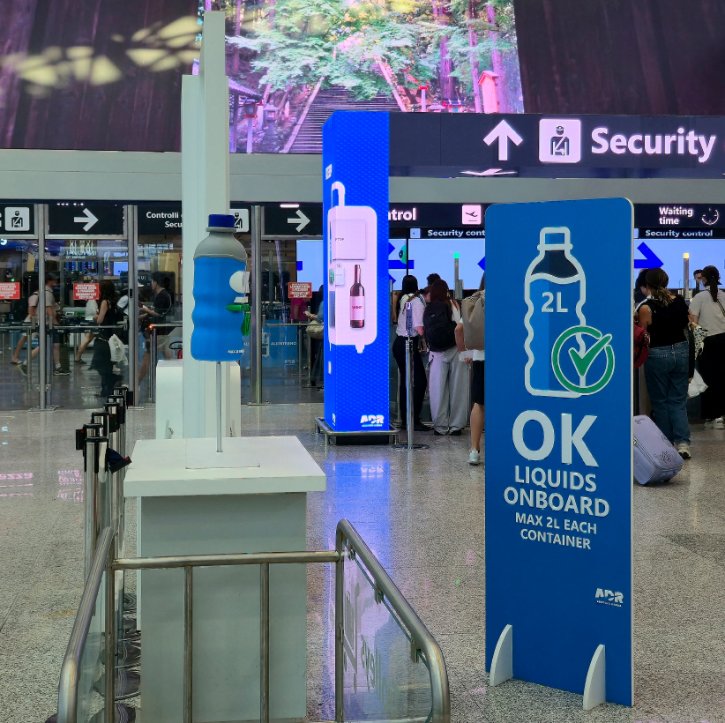
a. The new freedom at security
Here’s some welcome news if you dread the airport liquids shuffle. Rome’s Leonardo da Vinci Fiumicino Airport now uses advanced CT scanners that build a full 3D image of your bag. That means the old ritual of unpacking everything is mostly gone, and you can move through security with far less fuss.
b. What you can carry now
- Liquid containers of up to 2 liters are allowed in your cabin bag on standard routes.
- Liquids, creams, gels, and aerosols can stay inside your carry-on during screening.
- Laptops, tablets, and phones can also stay in the bag, no separate tray needed.
- Containers bigger than 2 liters are only allowed in the cabin if they are completely empty.
c. How it used to work
For years the routine was strict and familiar, and plenty of travel sites still describe it as if nothing has changed:
- A hard limit of 100 ml per container.
- Everything sealed inside a single clear plastic bag, up to 1 liter.
- Liquids and laptops pulled out and screened in separate trays.
d. The exceptions that still catch people out
This is where you need to pay attention, because the relaxed rule does not apply everywhere. The old limits are still fully enforced in a few situations.
- Direct flights to the United States from Terminal 1 still follow the 100 ml rule and the clear plastic bag requirement, since those security lanes aren’t yet on the new scanners.
- Transit passengers arriving from non-Schengen points who are not covered by “One-Stop Security” must be re-screened under the old limits.
- If your trip connects through another airport that lacks these scanners, liquids between 100 ml and 2 liters can be taken from you at that next checkpoint.
e. What you should actually do
Pack normally for most European routes and leave your liquids tucked inside your bag at Terminal 1. It feels odd the first time to breeze through without emptying everything, but that’s the point.
Just don’t assume “100 ml everywhere” anymore. Double-check your exact route if you are flying to the US, or connecting through a smaller airport, so nothing gets confiscated along the way.
2. Metro C Now Takes You Straight to the Colosseum

a. A game-changer for sightseeing
This one makes a real difference to your days in the city. Metro Line C now runs all the way to the Colosseum, with two fresh stations added: Porta Metronia and Colosseo / Fori Imperiali. Reaching the ancient heart of Rome by metro has never been this simple.
b. The old way of getting there
Before the extension opened, your options were slower and clunkier:
- Line C stopped short at San Giovanni.
- From there you had to switch to Line A, hop on a tram or bus, or walk the rest of the way.
- The transfer added time and hassle, especially with tired feet at the end of a long day.
c. What makes the new station special
The Colosseo / Fori Imperiali station sits directly beneath Via dei Fori Imperiali, right between the Colosseum and the Basilica of Maxentius. It’s more than a transit stop.
- It links directly to the existing Colosseo station on Line B through an underground walkway, so you can transfer without going up to street level.
- It’s built as an “archeostazione“, an archaeological station, with finds uncovered during the deep dig put on display.
- Artifacts and fragments sit in museum-style glass cases along the concourse, turning your transfer into a mini museum visit.
- The design even earned a nomination for a world’s most beautiful stations list.
d. Why this helps your trip
Reaching the Colosseum, Roman Forum, and Imperial Forums is now far easier and faster. If you’re staying along the eastern side of the city, around neighborhoods like Pigneto or Centocelle, you can ride straight in without changing lines at San Giovanni. That’s a real time saver when you’re trying to beat the crowds.
e. Don’t trust the old maps
Plenty of older guides still claim only Line B serves the Colosseum, or that Line C dead-ends at San Giovanni. That’s no longer true. When you arrive, follow the Line C signs and look for the underground link to Line B, and you’ll move between the two without ever surfacing.
3. Short-Term Transit Passes Cost More Now
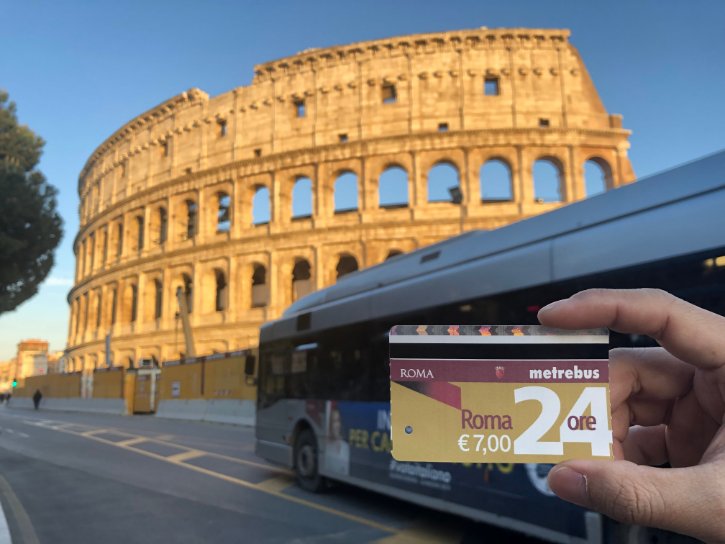
a. The passes that went up
Rome’s short-term transit passes have risen in price. The single-ride ticket stayed the same, but the day passes all jumped, so your transport budget needs a quick refresh.
b. Old price next to new price
Here’s what changed at a glance:
- BIT single ticket (good for 100 minutes): still €1.50.
- ROMA 24H: up from €7.00 to €8.50.
- ROMA 48H: up from €12.50 to €15.00.
- ROMA 72H: up from €18.00 to €22.00.
c. Who these tickets are really for
One thing worth clearing up: these are the standard Metrebus and ATAC fares, not special tourist-only passes. Both visitors and residents use them, and they cover a wide network.
- Buses, trams, and trolleybuses.
- Metro lines A, B/B1, and C.
- Cotral urban buses and urban regional trains.
d. Is a pass actually worth it for you?
Before you buy, run the simple math based on how much you plan to move around.
- A 24H pass pays off after about 6 rides in a day.
- A 48H pass pays off after about 10 rides across two days.
- A 72H pass pays off after about 15 rides across three days.
If you’re the type who loves wandering Rome on foot, single tickets may actually cost you less.
e. Where to buy your tickets
You have plenty of options, so pick whatever is easiest:
- Ticket machines in metro stations, ATAC offices, tabacchi shops, and newsstands.
- Apps such as MooneyGo, DropTicket, and Tabnet.
- Tap&Go contactless with your card or phone, which caps your daily spend automatically at the €8.50 rate.
4. Weekly and Monthly Passes Also Shifted
a. What moved and what didn’t
If you’re staying a week or more, here’s the key thing to know: the weekly pass went up, while the monthly passes held steady. That small detail can change which option saves you the most.
b. The passes in detail
- CIS weekly pass (7 days): rose from €24.00 to €29.00. It covers the same Rome area as the hourly tickets, with unlimited travel on buses, trams, metro, and urban rail. It stays valid until midnight on the seventh day, counting your first validation as day one.
- Monthly Personal pass: unchanged at €35.00, valid for one calendar month.
- Monthly Impersonal pass (transferable to others): unchanged at €53.00, also valid for a calendar month.
c. A money-saving tip most visitors miss
The weekly CIS pass breaks even at around 20 trips in a week, roughly 2.8 rides a day. But here’s the clever part worth remembering:
- If your stay runs 8 to 14 days and falls inside a single calendar month, a personal monthly pass at €35.00 plus a €3.00 smartcard fee (€38.00 total) can beat buying two weekly passes (€58.00).
- Timing matters, so check whether your dates sit neatly within one month before you decide.
d. A quick word of caution on validation
One small catch with the weekly pass: it expires at midnight on the seventh day, not a full seven 24-hour stretches. So if you validate it late in the evening, you lose most of that first day’s value in just a few hours. Stamp it in the morning when you can.
e. Only use current figures
Some sites still show the old €24.00 weekly price. That number is outdated, so budget with €29.00 instead and you won’t be caught short.
5. The Roma Pass Is Now Digital and Pricier
a. The big shift
Rome’s flagship tourist card, the Roma Pass, has shifted to a digital-first setup, and the price has climbed along with the upgrade. If you’ve used one before, the experience will feel noticeably different this time.
b. The new prices
- Roma Pass 48H: up from €32.00 to €38.00.
- Roma Pass 72H: up from €52.00 to €62.90.
c. How it used to work
In the past, the pass came only as a physical card that you picked up at a tourist info point and tapped as you went. Now the Digital Roma Pass on your phone is the default. The good news is the physical card hasn’t disappeared, so you can still choose it if you’d rather not deal with an app.
You can pick up a physical card at Roma Capitale’s Tourist Infopoints and bookshops, including spots at Fiumicino and Ciampino airports, the Fori Imperiali Visitor Center, Via Minghetti near Via del Corso, and San Paolo.
d. Getting it set up on your phone
There are a few steps to handle before you can use it, so don’t leave this until you’re standing at a metro gate:
- Buy through the official portal and you’ll get an email with a QR code, Ticket Code, and PNR.
- Download the Roma Pass App and link your details to redeem the pass.
- Switch on your transit QR code inside the app before boarding your first ride. This starts the countdown, and it can’t be reversed, so activate it only when you’re ready to travel.
e. What each pass gives you
- 48-hour pass: free entry to one museum or site, discounts on further ones, unlimited transit for 48 hours, and access to the P.Stop public toilet network.
- 72-hour pass: free entry to two museums or sites, discounts after that, 72 hours of transit, and P.Stop access.
f. You still have to book the big sights
Don’t assume the pass lets you skip the booking step everywhere. For the Colosseum, you still need to reserve a timed-entry slot in advance, and there’s a small €2 reservation fee when you book online. Booking in person at the ticket desk on the day is free, subject to availability.
The Roman Forum and Palatine Hill are open-access within your ticket window, so they don’t need a timed slot. Skip the Colosseum reservation, though, and you can be turned away at the gate even with a valid pass in hand.
6. Stricter Name Rules on Colosseum Tickets
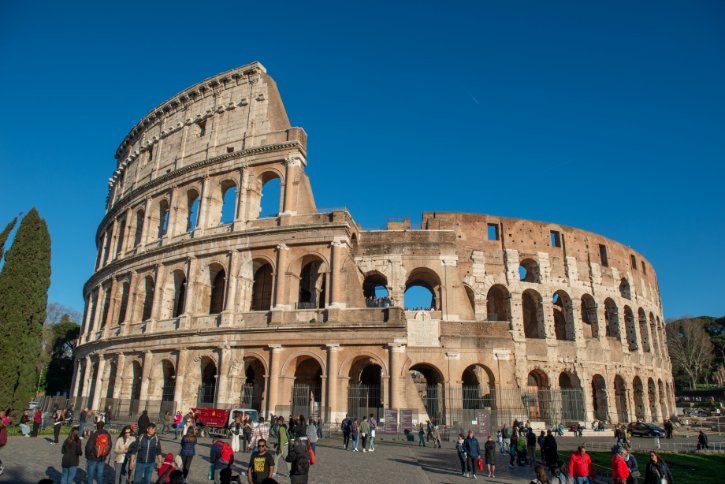
a. What this rule actually covers
This one gets described too broadly online, so let’s set it straight. The strict name rule applies specifically to the Colosseum Archaeological Park, not to every ticket in Rome. By contrast, Italian train tickets like Trenitalia’s Base and Economy fares stay flexible and still let you update a passenger name before departure.
b. How Colosseum tickets used to be
Entry used to be far more relaxed:
- Tickets were often generic or booked under a single lead name.
- They could be resold or passed to someone else fairly easily.
- Third-party transfers were common and rarely questioned.
c. The current rule in plain terms
Now, Colosseum tickets are strictly nominative, meaning each attendee’s exact legal first and last name must be entered when you book.
- A name on a ticket can be changed only once.
- The change must happen by midnight, seven calendar days before your visit. After that, names are locked for good.
d. Name changes versus other changes
It helps to keep these straight, because they are not the same thing. The one-change limit is about the visitor’s name, not about adjusting a date, a time, or the booking in general. Name edits are allowed only in three specific cases:
- A genuine typing mistake in a name.
- A ticket-type mix-up in the same booking, such as a youth and adult ticket swapped between a parent and child.
- A serious, documented emergency, like a medical or legal situation.
e. What this means for you
Enter every name carefully at booking, spelled exactly as it appears on the ID each person will bring. At the entrance, you’ll need to show a government photo ID that matches the ticket name. If the two don’t line up, you can be refused entry with no refund, so slow down and double-check before you confirm.
f. Drop the old assumptions
If you’ve read that Colosseum tickets are easy to resell or hand off to a friend, that’s no longer the case. Treat each ticket as firmly tied to one named person, and book only for people you’re sure are coming.
7. The Pantheon Now Needs a Timed Ticket
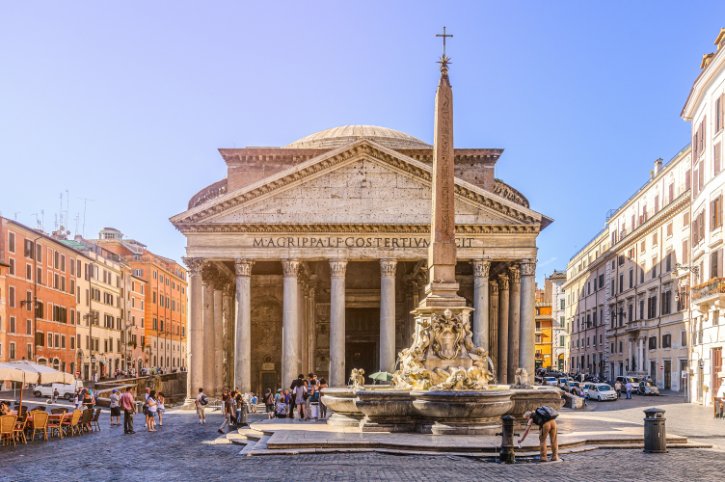
a. The free walk-in era is over
The Pantheon used to be one of Rome’s easiest stops, somewhere you could duck into for free whenever you passed by. That’s changed. General sightseeing visits now require a paid, timed-entry ticket, so a little planning is needed.
b. What it costs
- Standard adult: €7.00.
- EU citizens aged 18 to 25 with valid ID: reduced rate of €2.00.
c. How to book your slot
The smoothest way in is to sort your ticket before you arrive:
- Buy online through the official state platform.
- Pick your date and entry time when booking.
- You can try buying on site at the booths in Piazza della Rotonda, but the queues often run one to two hours.
d. What to do differently now
Reserve ahead and choose your time slot, and in high season aim to do this several weeks early, since popular times fill up. Bring your ticket as a digital or printed barcode to show at the turnstiles. Keep in mind it’s still an active church, so there’s a dress code to respect.
- Cover your shoulders and knees, or you may be refused entry regardless of your ticket.
e. Who still gets in free
Not everyone has to pay. Free entry still applies to several groups:
- Visitors under 18.
- Disabled visitors and their aides.
- Permanent residents of Rome.
- Everyone on the first Sunday of each month. On these days you can’t book online, so you simply queue at the entrance for a free ticket.
- People attending religious services, through a separate entrance, though you can’t sightsee during Mass.
f. Don’t rely on old guides
Any article that still calls the Pantheon “completely free” or a casual walk-in is behind the times. Plan for a booked ticket, and you’ll stroll in while others are stuck guessing at the door.
8. Five City Museums Now Charge Admission
a. What changed
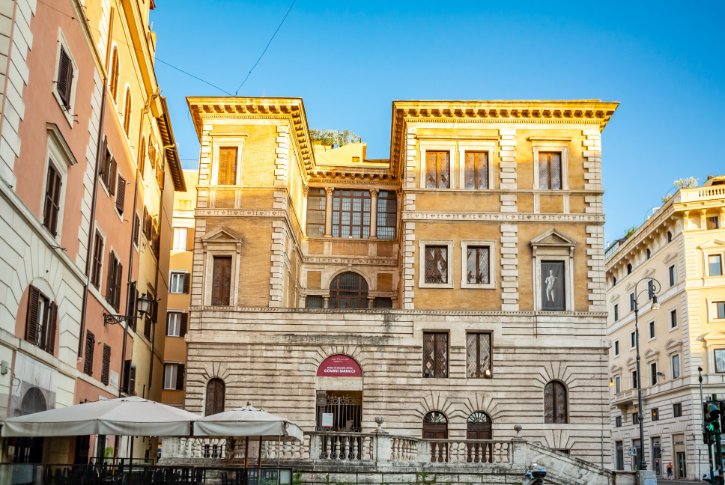
Rome has reworked the pricing for its civic museum system, and the result matters most to visitors. Several small museums that used to be free for everyone now charge non-residents and tourists for entry.
b. The five museums affected
If these are on your list, budget for a ticket:
- Museo di Scultura Antica Giovanni Barracco
- Museo Carlo Bilotti, in Villa Borghese
- Museo Pietro Canonica, in Villa Borghese
- Museo Napoleonico
- Villa di Massenzio, on the Via Appia Antica
c. Who pays and who doesn’t
The new fee doesn’t fall on everyone equally:
- Tourists and non-residents now buy a standard ticket.
- Rome residents and local university students keep free access, backed by a low-cost annual city card.
d. The museums that are still free
The good news is that several civic museums remain free for all visitors, so there’s no catch at these:
- Museo della Repubblica Romana e della Memoria Garibaldina
- Museo di Casal de’ Pazzi
- Museo delle Mura
- Casa Museo Alberto Moravia, which does require advance booking
e. How to buy and what to expect
You can pick up tickets online through the official city museums website, or simply at the ticket desks on site. As a visitor, plan to pay the standard fee at those five museums rather than counting on a residents’ discount program. It’s a modest cost, but it’s worth factoring into your day so there are no surprises at the counter.
9. The Trevi Fountain Basin Now Charges for Access
a. What’s new at the fountain
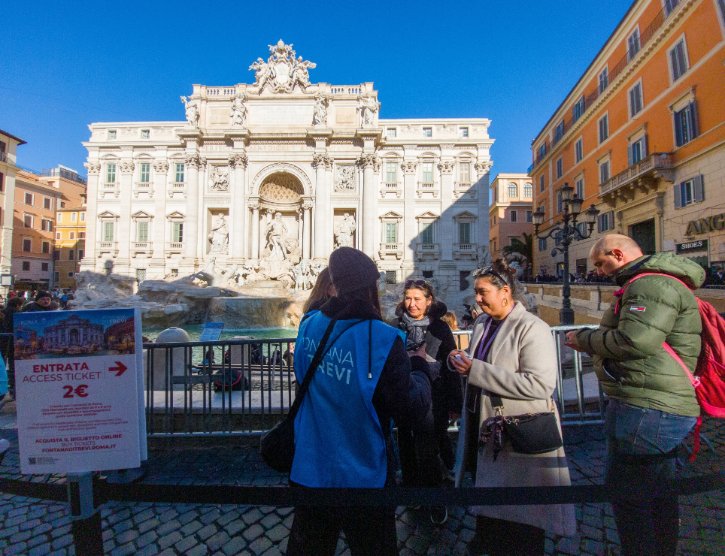
The Trevi Fountain has introduced a paid access and crowd-control system for its lower basin area. The change is smaller than some headlines suggest, but it’s worth understanding before you go so you know exactly what you’re paying for.
b. Free versus paid, made simple
- Viewing from the upper edge of Piazza di Trevi stays completely free.
- Walking down to the lower marble rim, where people toss their coins, now costs €2.00 for non-residents.
c. How it used to be
Before this, you could simply walk down to the water’s edge whenever you liked. There were no gates, no fees, and no limits on how many people crowded the basin. The new setup keeps things calmer and protects the monument.
d. Hours and how the system runs
The fee applies only during set hours, and access is managed by headcount rather than fixed time slots:
- Mondays and Fridays: 11:30 to 22:00.
- Tuesdays through Sundays: 09:00 to 22:00.
- Outside those hours the gates are closed or unmetered, though you can still see the fountain from the square around the clock.
- The lower platform is capped at roughly 400 people at a time, so entry is paced to avoid overcrowding.
e. Where to get your ticket
Paying is quick once you’re there, with several options:
- Online in advance through the official Trevi Fountain website.
- At Tourist Infopoints, the civic museums, and affiliated sales points around the city.
- At the entrance itself, where payment is by card only. There’s no cash option at the gate, so have a card or phone ready.
f. Who’s exempt and what to expect
Some visitors skip the fee entirely:
- Residents of Rome and the surrounding area, with ID.
- Children aged 5 and under.
- Disabled visitors and one caregiver.
- Accredited tour guides.
If you want that classic photo right beside the water, plan to book ahead or tap to pay at the checkpoint. Happy to admire it from the top of the square? You can still do that for free. Just remember that “the Trevi is free” is only half the story now.
10. Piazza Augusto Imperatore Has Reopened
a. A central square comes back to life
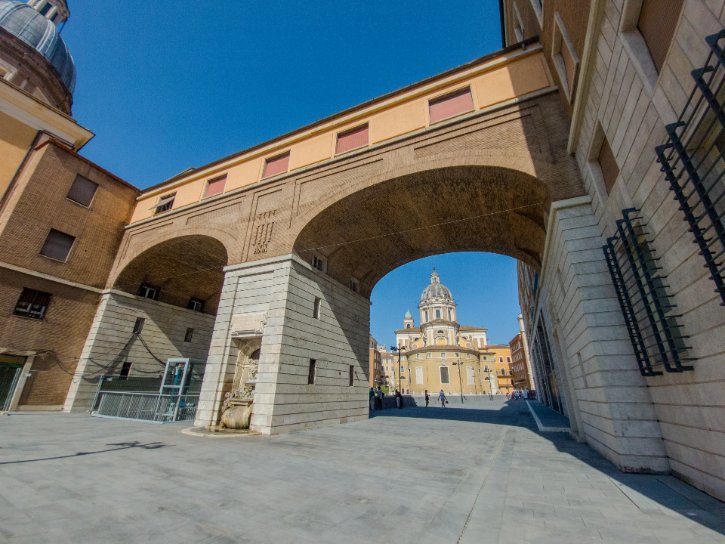
After years hidden behind barriers, Piazza Augusto Imperatore has reopened as a redesigned pedestrian square. If your mental image of this spot is a fenced-off mess, it’s time for an update, because it’s now one of the more pleasant open spaces in the center.
b. What it looked like before
For nearly two decades, this corner of Rome was far from inviting:
- A fenced-off construction zone surrounded the Mausoleum of Augustus.
- Barriers and roadworks blocked easy movement through the area.
- Getting between nearby streets meant awkward detours down narrow side alleys.
c. What the makeover delivered
The old asphalt parking lot was transformed into a spacious pedestrian archaeological square. The highlights are worth a slow wander:
- Wide travertine stone tiers and ramps linking the modern streets down to the ancient ground level.
- Tree groves, stone seating, and fresh lighting throughout.
- A restored walking route connecting Via del Corso to the Ara Pacis museum near the river.
d. What you’ll experience there now
You can stroll freely across the square, photograph the round exterior of the tomb from the lower plaza, and visit the neighboring Ara Pacis without weaving around scaffolding. It’s an easy, rewarding stop to fold into a walk through the center, and a nice place to pause between bigger sights.
e. One thing not to get wrong
Here’s the detail many travelers miss: an open square does not mean an open tomb.
- The interior of the Mausoleum of Augustus is still closed.
- It shut for structural work and a museum fit-out, with interior access expected to open later.
- For now, you can admire it only from the outside.