
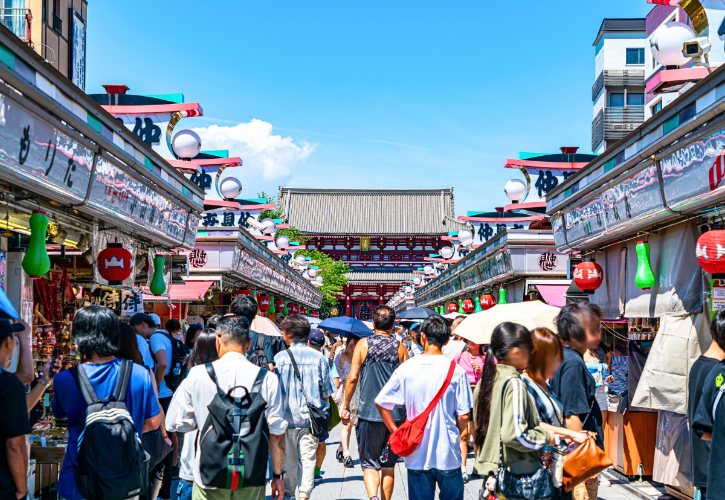
Asakusa and Ueno often get treated as two separate day trips, linked only by a subway hop. In reality they form one easy walking route, with most stops just a one to three minute stroll apart.
Asakusa brings ancient temples, lantern-lit shopping lanes, and the feel of old Tokyo. A short metro ride then drops you into Ueno, with its busy markets, local food counters, and lively streets.
Put on comfortable shoes, bring your appetite, and give yourself one relaxed day to enjoy two very different sides of the city. 😊
1. Asakusa Culture Tourist Information Center
a. A Bold Welcome Across From the Temple
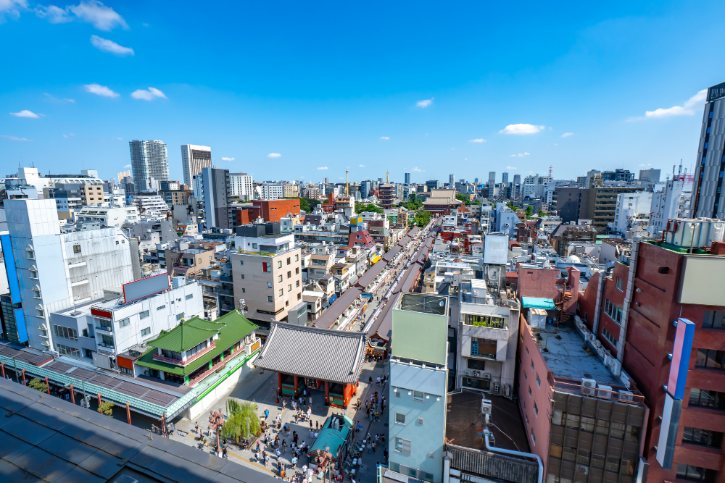
Before you dive into historic Asakusa, give a moment to the building facing the temple gate. The Asakusa Culture Tourist Information Center was designed by Kengo Kuma and opened over a decade ago.
b. What Makes the Building Special
- A shape like eight small wooden houses stacked on top of one another
- Its own roofline on every level, so no two look quite the same
- A front wrapped in cedar slats sourced from western Tokyo
- A sleek modern design that sets off the old streets outside
c. The Rooftop View That Maps Out Your Day
From the open-air terrace on the eighth floor, look for:
- The red roof of Kaminarimon directly below
- The colorful rooftops of Nakamise Shopping Street leading to the temple
- Tokyo Skytree rising across the Sumida River
- The golden flame sculpture on the Asahi Breweries building
- On a very clear day, the far-off peak of Mount Fuji
d. Handy Services Before You Set Off
- A multilingual help desk with English, Mandarin, Korean, and Japanese
- Currency exchange machines
- Free maps and local travel information
- Rotating exhibitions on Taito City crafts
- Quiet rest areas and phone charging
e. Why It Makes the Perfect First Stop
Starting here gives you the layout and mood of the whole area in one visit. The temple’s famous gate is just across the crossing.
2. Kaminarimon Gate (Thunder Gate)
a. The Face of Asakusa
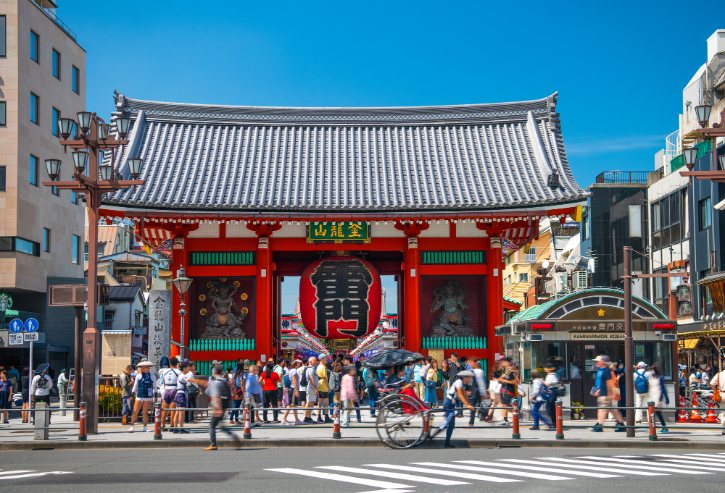
Few landmarks are as recognizable as Kaminarimon, the grand gate at the outer entrance to Sensō-ji. Its formal name is Fūraijinmon.
b. The Giant Lantern and Its Hidden Dragon
The red lantern holds a few surprises:
- It stands close to four meters tall and weighs around 700 kilograms
- The front shows the characters for Kaminarimon, and the back the formal name
- Look up into the base to find a carved dragon, a water guardian against fire
- A bronze fitting at the bottom carries a small inscription thanking the gate’s patron
c. The Gods and Guardians on Duty
- Fūjin, the wind god, on the right, holding a bag of wind
- Raijin, the thunder god, on the left, surrounded by drums
- On the back, two dragon deities, Tenryū and Kinryū
d. A Gate Rebuilt Through the Centuries
- First raised near Komagata in 941 by the commander Taira no Kinmasa
- Moved to its current spot in 1635
- Lost to fire more than once, standing empty for nearly a hundred years after an 1865 blaze
- The version you see today went up in 1960
- Funded by Kōnosuke Matsushita, founder of the company now called Panasonic, in thanks after he prayed here during an illness
e. A Lantern With a Festival Trick
During the Sanja Matsuri each May, staff fold the huge lantern upward like an accordion so the tall portable shrines can pass through.
f. Best Shots Before You Pass Through
Line these up on your way in:
- The lantern straight on, with the gate framing it
- The Fūjin and Raijin statues in their alcoves
- The carved dragon beneath the lantern
- The shopping street stretching out beyond the gate
3. Nakamise Shopping Street
a. One of Japan’s Oldest Shopping Streets
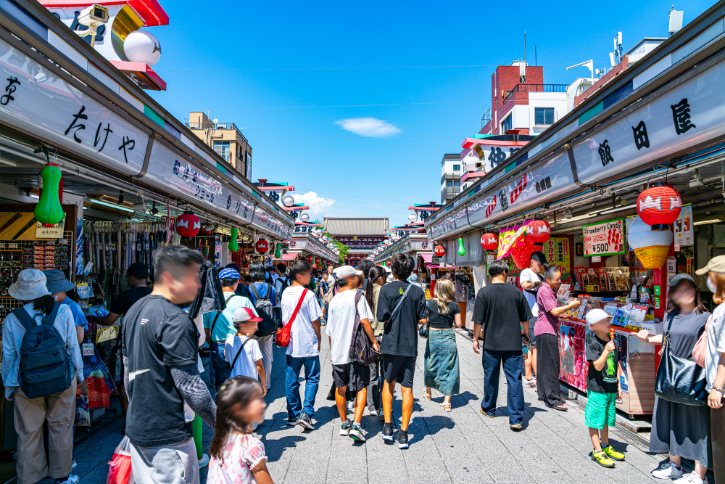
Walk through Kaminarimon and you reach Nakamise Shopping Street, one of the oldest shopping streets in the country. It runs about 250 meters to the inner Hōzōmon gate.
b. A Street With Centuries of History
- It dates to the early Edo period, when temple authorities let locals run stalls here
- Shopkeepers kept the sacred path clean in return for the space
- Around 89 small shops line the lane today
- Matching tiled eaves and neat signboards give it a tidy, traditional look
c. Classic Snacks You Should Try
Worth trying as you walk up:
- Ningyō-yaki, sponge cakes in iron molds filled with sweet red bean paste, made by shops like Kimuraya since the 1800s
- Kibi-dango, small soft dumplings dusted with millet and kinako soybean flour
- Senbei, rice crackers grilled over charcoal, brushed with soy sauce, and wrapped in seaweed
d. Traditional Crafts and Keepsakes
- Folding fans and painted paper umbrellas
- Silk purses and carved wooden combs
- Cotton yukata robes
- Festival regalia and small temple souvenirs
- Keepsakes tied to Asakusa for generations
e. A Surprise When the Shutters Come Down
Come early or late and the closed shutters reveal the Asakusa Emaki, a long painted mural of the four seasons and local festivals. A covered arcade crosses the lane near its end.
4. Asakusa Shin-Nakamise Shopping Street
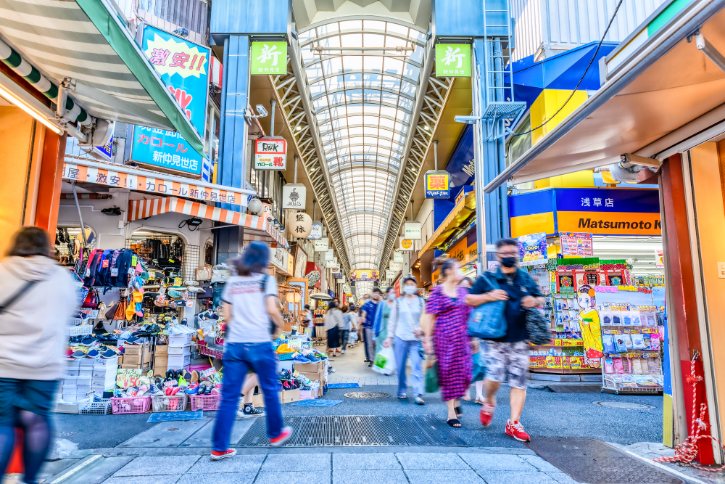
a. The Everyday Side of Asakusa
Crossing Nakamise near its midpoint is Shin-Nakamise Shopping Street, or Shin-Naka, where the neighborhood shops for daily life.
b. A Covered Arcade Built to Last
- Grew in the late 1920s as Asakusa expanded
- Runs about 380 meters under a covered arcade roof
- The roof keeps you dry in the rain and cool in the summer heat
- More than a hundred independent shops line the way
c. What You Can Buy Here
Expect a practical, varied mix:
- Casual knitwear and work shirts
- Geta wooden clogs and tabi split-toe socks
- Kimono accessories
- Green tea, dorayaki bean-paste pancakes, and sweet treats
- Aged soy sauces, dried bonito flakes, and shichimi seven-spice
d. A Street That Changes With the Seasons
Decorations overhead to watch for:
- Cherry blossom garlands in spring
- Paper wind chimes in midsummer
- Maple leaves in autumn
- Banners and small lottery events run by local shop owners
e. An Easy, Relaxed Browse
It is a calm place to wander away from the temple crowds. From here, a short turn leads to a very old-fashioned street.
5. Denboin Street
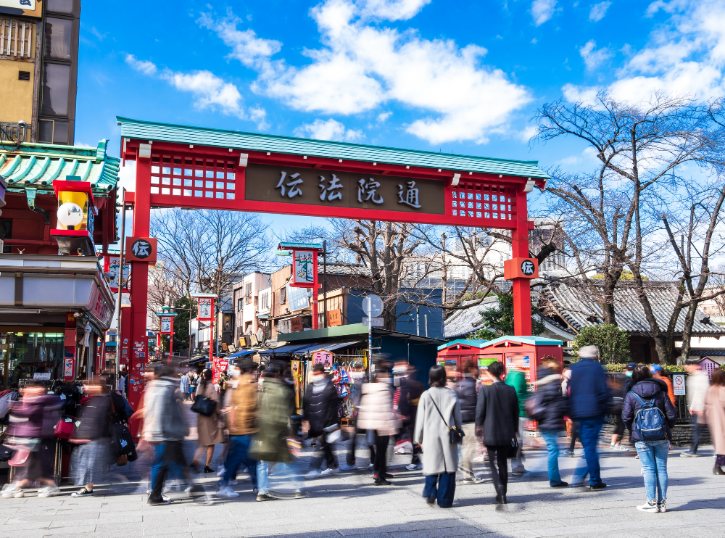
a. A Step Back Into Old Edo
Denboin Street, or Denboin-dori, runs along the southern edge of the Denbō-in monastery. It is only about 200 meters long, yet its streetscape is one of the most charming around.
b. A Street Designed to Look Historic
Shaped to feel like old Tokyo:
- Reworked in the early 2000s to resemble an Edo-period town
- Warm ocher paving stones underfoot
- Shopfronts refaced in dark cypress wood
- Paper-style lanterns that set the mood
c. Look Up for the Rooftop Heroes
Raise your eyes above the eaves:
- Nezumi Kozō, the folk-hero thief who robbed corrupt lords to help the poor, on a roof with a chest of gold coins
- The Five Chivalrous Thieves from old kabuki plays, led by the bandit chief Nippon Daemon
- Traditional signs and carved figures tucked along the rooflines
d. Crafts and Snacks to Seek Out
- Edo-kiriko cut glassware
- Carved boxwood combs and custom hanko name stamps
- Asakusa Menchi, panko-crusted fried minced pork cutlets
- Karintō sweet fried dough sticks and roasted sweet potato treats
e. Slow Down and Soak It In
Take it slow and enjoy the shopfronts, lanterns, and rooftop surprises. The street crosses the Nakamise approach partway along, and heading up it brings you back to the temple grounds.
6. Sensō-ji Temple (Asakusa Kannon)
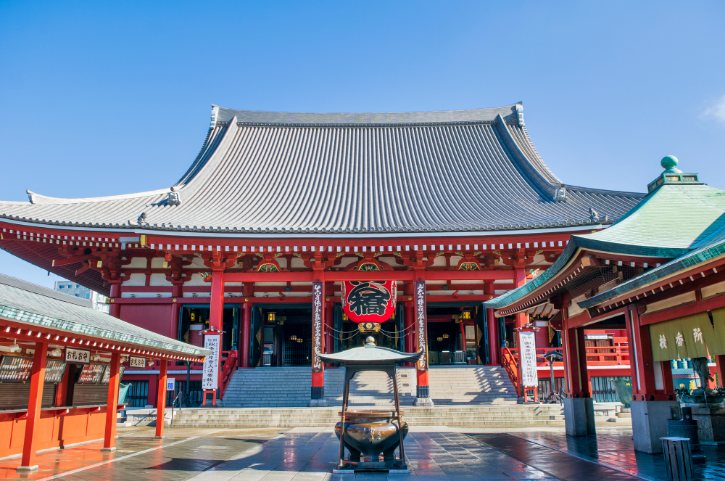
a. The Oldest Temple in Tokyo
Sensō-ji is the oldest and best-loved temple in the city, with more than 30 million visitors a year. Its story starts in 628, when two fishermen brothers pulled a small golden statue of Kannon, the Bodhisattva of Compassion, from the Sumida River. A monk formally founded the temple in 645, and that original Kannon stays hidden from view to this day.
b. The Main Structures to Find
Watch for these as you approach the main hall:
- Hōzōmon, the two-story Treasure-House Gate, holding old Buddhist scriptures
- Two giant straw sandals on its back wall, each 4.5 meters long and over 400 kilograms, rewoven every ten years by residents of Murayama in Yamagata
- The Five-Story Pagoda, 53 meters tall, with Buddha relics in its top tier
- The Main Hall, with a large bronze incense burner out front
c. Temple Customs You Can Join
Take part respectfully, since people pray here daily:
- Waft the incense smoke over yourself, believed to bring health and clear thinking
- Draw an omikuji fortune by shaking a wooden canister for a numbered stick
- Tie an unlucky fortune to a nearby rack to leave the bad luck behind
- Keep a quiet, respectful manner on the grounds
d. A Hall Rebuilt After the War
- The original main hall was destroyed in the firebombing of March 1945
- It was rebuilt in reinforced concrete between 1951 and 1958
- The new hall keeps the proportions of the 17th-century Edo design
- Knowing which buildings are reconstructions adds to the visit
e. The Shrine Right Next Door
Just east of the main hall stands Asakusa Shrine, a Shinto shrine built in 1649 that survived the war intact. It honors the temple’s three founders and hosts the Sanja Matsuri each May, a nice contrast between Japan’s Buddhist and Shinto traditions.
f. Best Things to Photograph
Save room on your camera for:
- The main hall framed by curling incense smoke
- The five-story pagoda against the sky
- The great straw sandals on the back of Hōzōmon
From the western grounds, a smaller shopping street carries on the traditional mood.
7. Asakusa Nishi-sandō Shopping Street
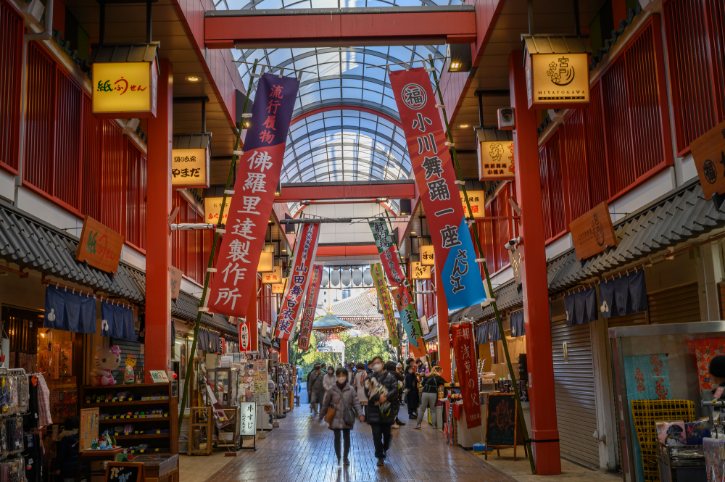
a. A Festival Street With a Twist
Off the western side of the main hall, Asakusa Nishi-sandō Shopping Street has a playful festival feel, rebuilt about a decade ago as an all-weather matsuri shōtengai.
b. What Gives the Street Its Character
- Kabuki-style red pillars, paper lanterns, and decorative crests
- A floor of natural Japanese cypress planks, rare for a Tokyo arcade
- A warm, wooden feel underfoot as you walk
- Gourd-shaped mascots dotted across the signs
c. Festival Fun and Games
Shops and stalls to enjoy:
- Bambido, selling real festival wear like happi coats, jinbei sets, and jika-tabi boots
- A retro shooting gallery, where you aim a pellet gun at little prizes
- Asakusa Kingyo, where you can try kingyo-sukui, scooping goldfish with a paper paddle
d. A Famous Snack Just Outside
At the northern end, do not miss Kagetsudō:
- Its flagship shop sits just outside the arcade
- Famous for oversized, fluffy melonpan
- A crisp, sugary crust over a soft, pillowy inside
- Best eaten warm, straight from the counter
e. On to Something Different
From this cheerful arcade, the mood shifts toward old-school food and drink just a short walk on.
8. Hoppy Street (Hoppy Dori)
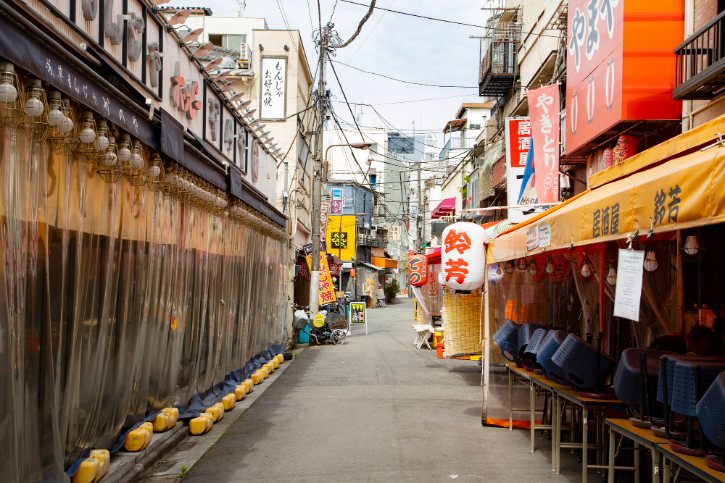
a. The Heart of Retro Asakusa
Hoppy Street, officially Kōen Hondōri, is a short, atmospheric lane along the western edge of the temple grounds. Locals call it Nikomi-dori, or Stew Street.
b. How the Alley Came to Be
- Grew out of food stalls in the late 1940s
- Became a tight row of around twenty open-fronted izakaya
- Red lanterns, low stools, and closely packed tables
- A warm, lively, old-Tokyo buzz
c. What Hoppy Actually Is
A clever drink with a backstory:
- A fizzy malt-and-hops drink created in 1948
- Born when real beer was heavily taxed and too costly for workers
- Counts as a soft drink thanks to its very low alcohol
- Mixed with shōchū for an affordable, beer-like treat
- Ask for naka for more shōchū, or soto for another bottle of mixer
d. The Stew That Made the Street Famous
Nikomi, simmered for hours in big steel pots at each entrance:
- Tender beef tendon or pork, slow-cooked until soft
- Daikon radish, konnyaku, and firm tofu
- A savory broth of red miso, soy sauce, and mirin
- Chicken skewers and salted edamame on the side at spots like Shōsuke and Sanko
e. Fun Even If You Skip the Drinks
The real draw is the atmosphere and food, so a bowl of nikomi and some skewers go just as well with tea or a soft drink. The western end opens into Asakusa’s old entertainment quarter.
9. Rokku Broadway (Asakusa Sixth District)
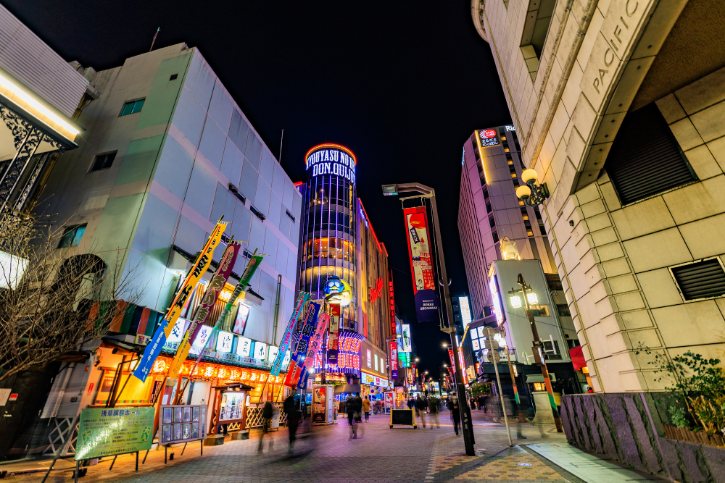
a. Where Japanese Show Business Began
Rokku Broadway sits at the center of Asakusa Rokku, once one of Asia’s great theater and cinema districts. An 1884 plan set the sixth zone, Rokku, aside for entertainment.
b. The Golden Age of Stage and Screen
A big mark on entertainment history:
- Japan’s first permanent cinema, the Denkikan, opened here in 1903
- Silent films were narrated live by storytellers called benshi
- Vaudeville houses, revues, and comedy stages filled the avenue
- The novelist Yasunari Kawabata drew on its nightlife
- Beat Takeshi got his start here as a young performer
c. The Theater Still Going Strong
The stage tradition today:
- The Asakusa Engei Hall, open every day of the year since the 1960s
- One of the best places in the city to see rakugo, solo comic storytelling
- A single performer plays every character with just a fan and a cloth
- Manzai comedy duos share the bill too
d. What to Look For as You Walk
Small showbiz touches:
- Colorful banners with the names of performing comedians
- Brick-paved walkways winding through the old theater district
- Cafes and shops tucked among the theaters
e. A Fitting End to Asakusa
Rokku rounds off the Asakusa stretch nicely. Your next stop is a food counter over in Ueno, reached by a quick, direct ride on the Tokyo Metro Ginza Line.
10. Niku no Ohyama
a. A Butcher Shop You Can Eat At
Niku no Ohyama is a fine example of Tokyo’s butcher-to-table tradition, in Ueno along the Ameyoko strip. It opened in 1932 as a meat wholesaler and later added a casual restaurant and shop.
b. The Menchi-Katsu That Draws the Crowds
Fried patties of minced meat and sweet onion in a coarse panko crust:
- Yamitsuki (“addictive”) menchi, the hearty everyday choice
- Tokusei (“special”) menchi, with more premium domestic beef
- Takumi no Wagyu menchi, with marbled Japanese Wagyu for a crisp shell and juicy center
- The Yamitsuki Croquette, a crisp, savory potato croquette
c. Two Ways to Enjoy a Meal
Pick the style that suits you:
- A standing counter up front, with heated cases of croquettes, cutlets, and frankfurters
- Quick bites eaten on your feet at narrow ledges facing the street
- A sit-down dining room behind, for Hamburg steak and sliced beef with rice and miso soup
d. What to Order First
If you only have room for a few bites:
- A hot menchi-katsu straight from the fryer
- A croquette on the side
- A full set meal if you want to sit and relax
e. A Tasty Welcome to Ueno
The golden cutlets and the busy counter make a fun, casual first taste of Ueno’s eating scene.
11. Ameyoko Market (Ameya-Yokochō)
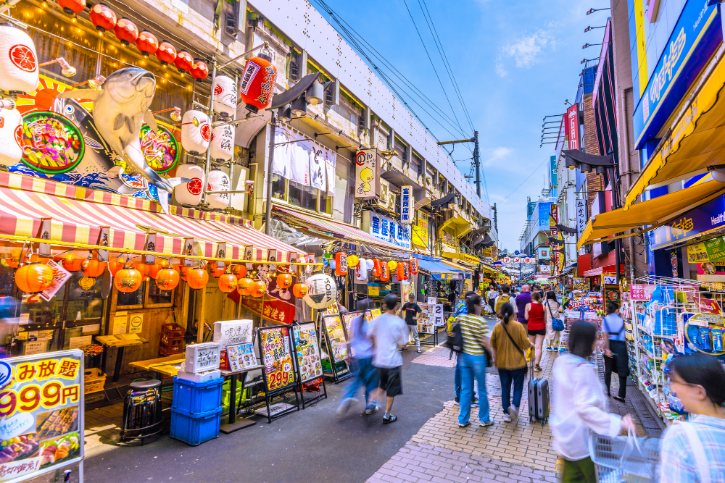
a. Tokyo’s Most Energetic Market
Ameyoko is one of the liveliest shopping areas in the city, packed under the train tracks between Ueno and Okachimachi stations. It grew out of the black markets that appeared after World War II.
b. The Two Stories Behind the Name
Two possible roots, and both stuck:
- Ameya-Yokochō, or Candy Vendors’ Alley, from the sweets shops here when sugar was rationed
- America-Yokochō, from the American surplus goods that flowed through during the occupation
- No single version is settled, which only adds to the appeal
c. What You Will Find on the Stalls
More than 400 stalls selling just about everything:
- Fishmongers calling out sales over salmon, tuna, and snow crab on ice
- Sweets shops like Shimura Shoten, where clerks chant while filling bags with chocolate
- The Ameyoko Center Building near the central crossing, with an Asian grocery bazaar in its basement
- Cosmetics, clothing, and footwear at bargain prices
d. Street Food From Around the World
Come hungry and graze along the lanes:
- Skewered seasonal fruit
- Turkish doner kebabs
- Taiwanese pepper buns and Chinese dim sum
- Freshly grilled seafood
e. The Atmosphere and the Shots to Get
The crowds, color, and trains overhead set Ameyoko apart from the city’s polished districts. A short walk leads to a quieter parallel street.
12. Ueno Nakadori Street (Uechūn)
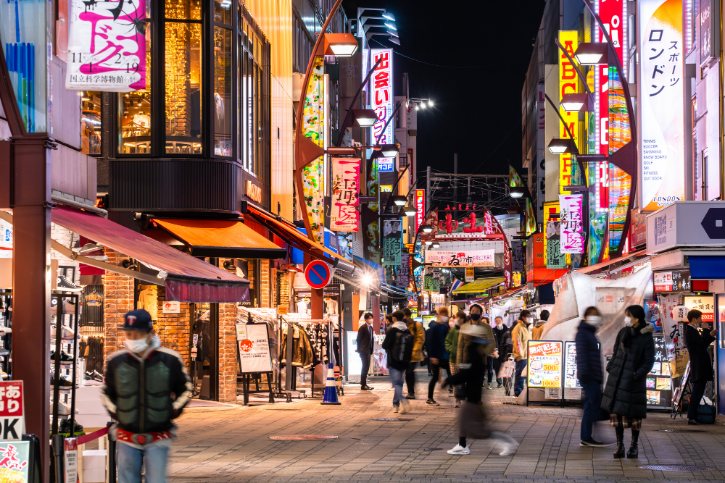
a. Ameyoko’s Quieter Neighbor
Where the market splits at the Ameyoko Center Building, the right lane becomes Ueno Nakadori Street, or Uechūn, running parallel toward Okachimachi.
b. A Street Built for Specialty Shopping
The focus is browsing, not grazing:
- Specialty and secondhand shops instead of fresh food and market stalls
- Used fashion, hobby goods, and used electronics
- More conventional clothing and footwear shops than Ameyoko
- A calmer pace than the market next door
c. Shops Worth Browsing
Take your time with a good find:
- Mode Off, for used clothing, watches, and accessories
- Hobby Off and Hard Off, for secondhand hobby goods and used electronics
- Footwear from Dr. Martens to Mita Sneakers in the Ameyoko Center Building
- Pawn shops and used-kimono stores
d. Places to Rest and Refuel
When your feet need a break:
- Small ramen counters and donburi rice-bowl spots
- Budget Korean restaurants and kebab stands
- Casual eateries away from the market crowds
e. Why It Earns a Stop
If Ameyoko is the thrill of the market, Uechūn is the slow, satisfying search. A side street from here leads to one of Japan’s best-loved comfort dishes.
13. Tonkatsu Yamabe
a. Honest Pork Cutlets, Done Right
Tonkatsu Yamabe, around Ueno and Okachimachi, is loved for excellent pork cutlets at fair prices in a simple, no-frills setting.
b. What Makes the Cutlet So Good
Care shows in every step:
- Thick cuts of domestic pork, dusted in seasoned flour
- A dip in egg, then a coat of coarse fresh breadcrumbs
- Frying in deep oil held at just the right temperature
- A golden crust that stays crisp while the meat stays juicy
c. Choosing Your Cut
Two cuts to pick from:
- Rōsu-katsu, from the loin, with a rim of fat that keeps it moist and rich
- Hire-katsu, from the tenderloin, leaner and more delicate
d. What Comes With Your Meal
Every cutlet arrives as a full set meal:
- A generous pile of finely shredded cabbage
- A bowl of steamed white rice
- Pickled vegetables
- Red miso soup made with tiny shijimi clams
e. A Meal to Watch and Enjoy
Watch the cooks bread, fry, and slice each cutlet at the counter, then add a drizzle of tonkatsu sauce. From here the route opens onto Ueno’s grandest avenue.
14. Ueno Hirokoji (Chuo-dori Avenue)
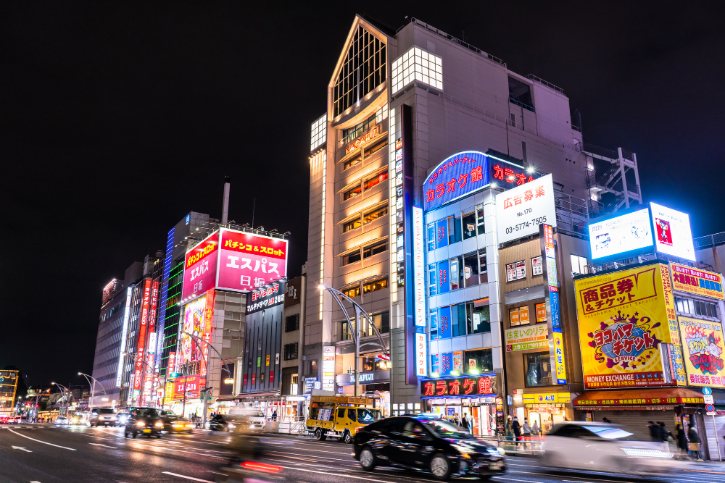
a. The Wide Avenue With a Fiery Past
Ueno Hirokoji is the broad southern stretch of Chuo-dori Avenue, linking Ueno with Okachimachi. The name means “wide alley”, from an Edo-period firebreak cleared after the great fires of the 1600s.
b. A Department Store With Deep Roots
The historic Matsuzakaya Ueno anchors the avenue:
- Its roots reach a kimono business founded in Nagoya in 1611
- It took over a shop on this exact site in 1768
- In 1907 it became a Western-style store with open display cases
- Today it offers kimono salons, fashion floors, and a basement food hall
c. The Modern Side of Ueno Shopping
Next door sits PARCO_ya Ueno:
- Set inside the 23-story Ueno Frontier Tower
- Around 68 lifestyle shops across its lower floors
- Home-grown fashion labels and handcrafted wooden goods
- Upscale restaurants for a sit-down break
d. A Bit of Everything on One Avenue
- Department stores and fashion boutiques
- Cosmetics and electronics shops
- Restaurants and cafes
- A basement food hall worth a look even if you are not buying
e. Why You Should Slow Down Here
A Japanese department store is a sight in itself, food hall included. After the narrow lanes earlier, the wide sidewalks feel like another side of the city. Just west lies your final stop, with a quieter, after-dark character.
15. Ueno Nakacho Street
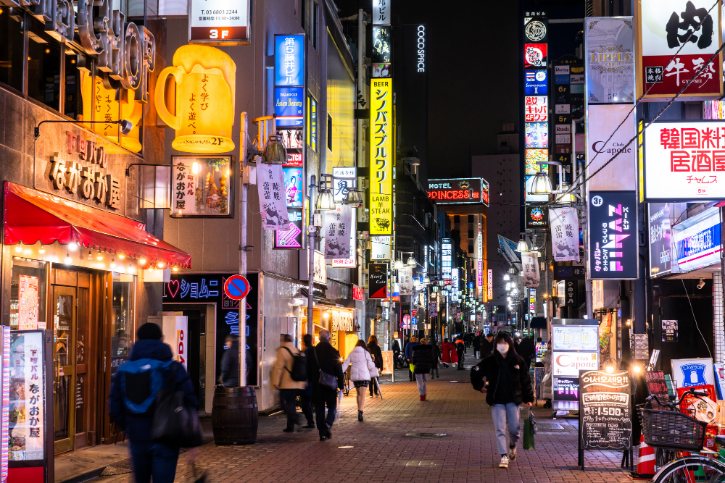
a. Where Ueno Comes Alive at Night
Your walk ends at Ueno Nakacho Street, or Nakacho-dori, on the south side of Ueno Park, one street back from Shinobazu-dori and the closest dining street to Shinobazu Pond. Its history as a commercial quarter reaches back to 1628, when it grew up around Kan’ei-ji temple, and it later drew writers such as Mori Ōgai and Shōtarō Ikenami.
b. An Evening Entertainment Quarter
By night this is one of Ueno’s liveliest nightlife corners:
- Quiet and low-key through the day
- Neon signs and lanterns that light up at dusk
- A dense mix of restaurants, bars, and nightlife venues
- A grown-up, after-dark energy once the sun goes down
c. Where to Eat and Drink
A wide choice of places to settle in:
- Yakiniku Korean barbecue spots like Taishoen
- Korean pork-belly and other grilled-meat restaurants
- Seafood and sushi izakaya like Isomaru Suisan
- Craft beer bars and small counter-only pubs
d. Know the Grown-Up Side
The street leans adult after dark, so it helps to know the mix:
- Hostess bars and cabaret clubs like Cotton Club and Juju
- Darts bars, rum bars, and other late-night spots
- A love hotel tucked among the restaurants
- A livelier, more adult feel than family-friendly Ameyoko
e. A Satisfying End to Your Day
Compared with bustling Ameyoko and wide Hirokoji, Nakacho shows Ueno’s after-dark side. And that is the joy of this route. In one easygoing day, you go from the city’s oldest temple and its lantern-lit lanes to busy markets, local food, and a lively nightlife quarter, with each stop showing a different face of Tokyo.
Related Posts

Photo Credit:
Photos by PIXTA