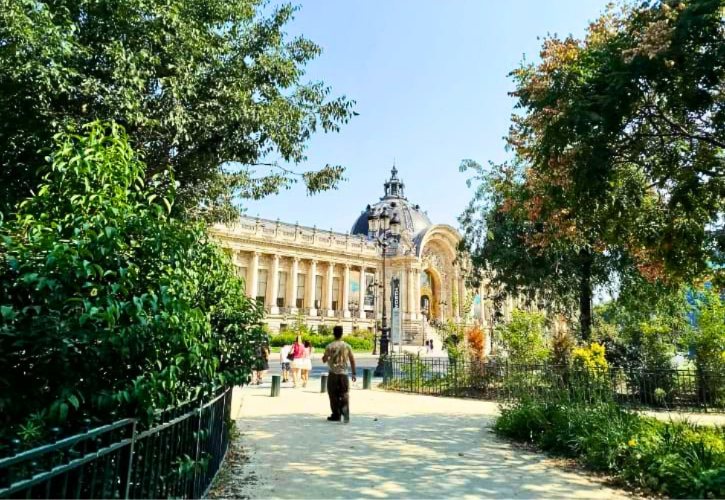
Paris has a reputation for grand, expensive museums, the kind with long lines and pricey tickets. But the city quietly holds another side that many visitors walk straight past.
Think elegant old mansions, artist homes, a perfume room, wartime sites, and serious art collections that cost nothing to enter.
Most of these places keep their permanent collections free, though temporary exhibitions can sometimes add a ticket.
Here are ten rewarding stops if you want real culture, atmosphere, and history without stretching your budget. 😊
1. Musée de la Vie Romantique
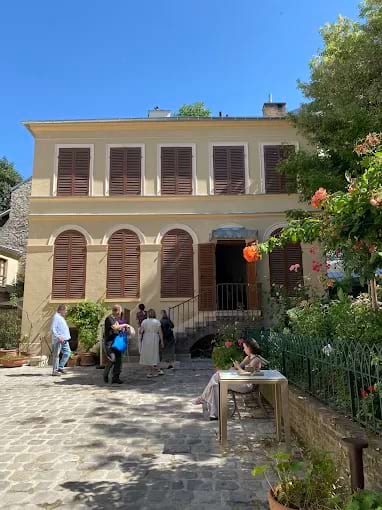
This is one of the most atmospheric free experiences in the city. It feels less like a museum and more like a charming 19th-century house, complete with its own courtyard and garden behind a gate.
It was once the home and studio of the Dutch-French painter Ary Scheffer, who welcomed cultural figures like George Sand, Frédéric Chopin, and Eugène Delacroix.
Today it sits in the city’s literary house-museum scene, alongside the Maison de Balzac and the Maison de Victor Hugo.
After a major renovation, it reopened on Valentine’s Day, 14 February 2026, with repaved courtyards and new sensory touches throughout the galleries.
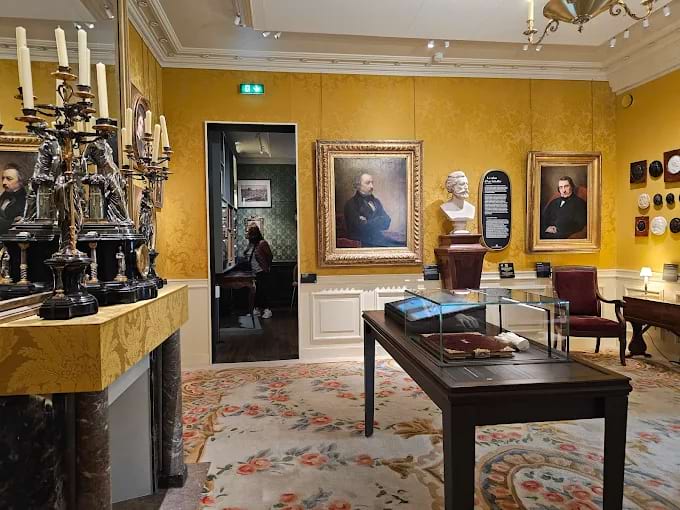
a. What you’ll see
- Romantic-era paintings by Ary Scheffer and his contemporaries.
- A whole section devoted to George Sand, with her belongings, jewelry, watercolors, and letters.
- A peaceful courtyard and garden, plus a tea-room set inside a glass greenhouse.
b. Why it’s worth your time
- Perfect if you love art, literature, old interiors, and quiet green corners.
- A genuine break from the crowds of central Paris.
- The historic rooms help you picture salon culture in Romantic-era Paris.
c. Good to know
- The permanent collection is free, with no reservation needed for individuals.
- Temporary exhibitions are paid, so decide if you want only the free rooms or the show too.
- The courtyard, garden, and tea-room are accessible, but the historic house has stair-only access.
d. Getting there and what’s nearby
- Metro: Line 2 (Blanche), or Lines 2 and 12 (Pigalle).
- Pair it with Montmartre, South Pigalle, or a walk through the Nouvelle-Athènes district.
Read More: The Best Walking Route to Explore Montmartre
2. Musée du Parfum
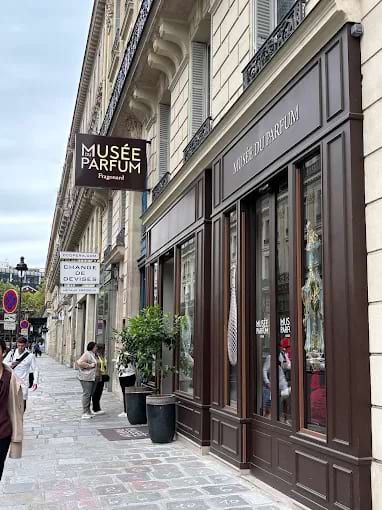
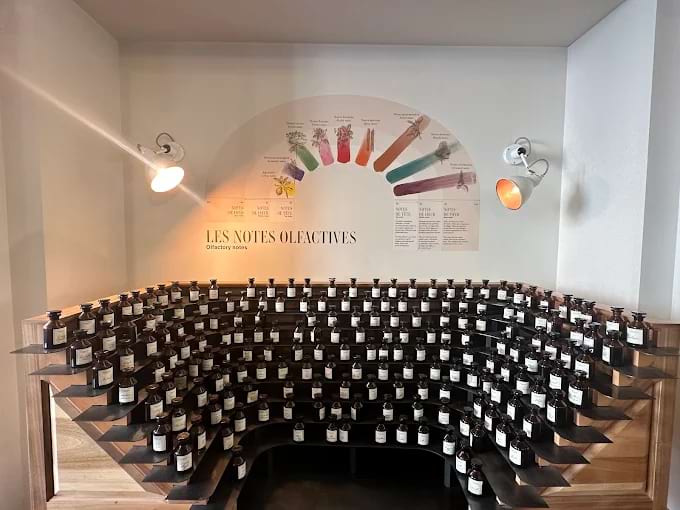
This is the most unusual museum on the list, and the only one you experience partly through your nose. It adds scent, craft, and the long history of French perfume to a normal museum visit.
Run by the historic Fragonard perfume house, which began in Grasse in 1926, this private museum opened in 1983 inside a grand 19th-century town house near the Opéra Garnier.
That makes it Paris’s first dedicated perfume museum, and it is completely free to enter.
a. What you’ll see
- The story of fragrance across thousands of years, from raw materials to distillation.
- Copper alembics, old machinery, and a historic “perfume organ” of essential oils.
- Antique bottles and decorative pieces, from ancient jars to precious flacons.
b. Why it’s worth your time
- A fun, hands-on stop, with smelling activities that let you discover scents yourself.
- The path ends in the shop, where browsing is free and there is no pressure to buy.
c. Good to know
- Entry is completely free, with no reservation needed for individuals.
- There is no cloakroom, so it is not ideal with bulky luggage.
- The reception, boutique, and restrooms are accessible, but it is not fully wheelchair friendly.
d. Getting there and what’s nearby
- Metro: Opéra (Lines 3, 7, 8), with Madeleine, Havre-Caumartin, and Saint-Lazare close by.
- RER: A (Auber) and E (Haussmann-Saint-Lazare).
- Pair it with the Opéra Garnier, the department stores, Madeleine, or a 9th arrondissement stroll.
3. Petit Palais
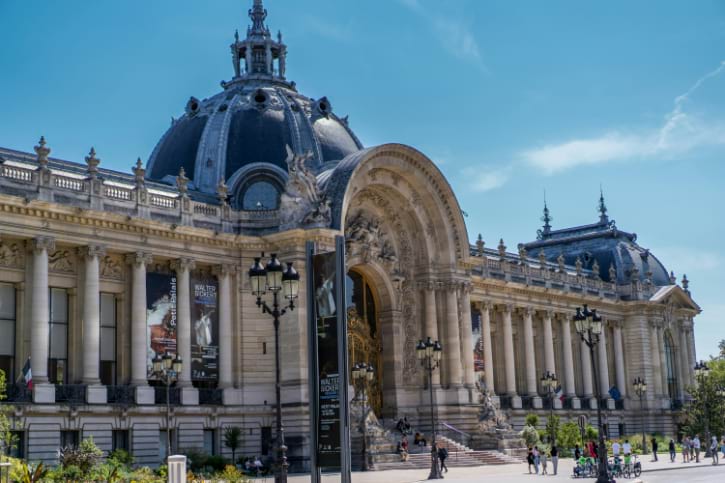
If you want the “big museum” feeling without the big-ticket price, this is your stop. You get grand architecture, a serious collection, and a calm setting all in one. It is one of the strongest free choices for first-time visitors.
The Musée des Beaux-Arts de la Ville de Paris was designed by architect Charles Girault for the 1900 Universal Exhibition, and it stands directly across from the Grand Palais.
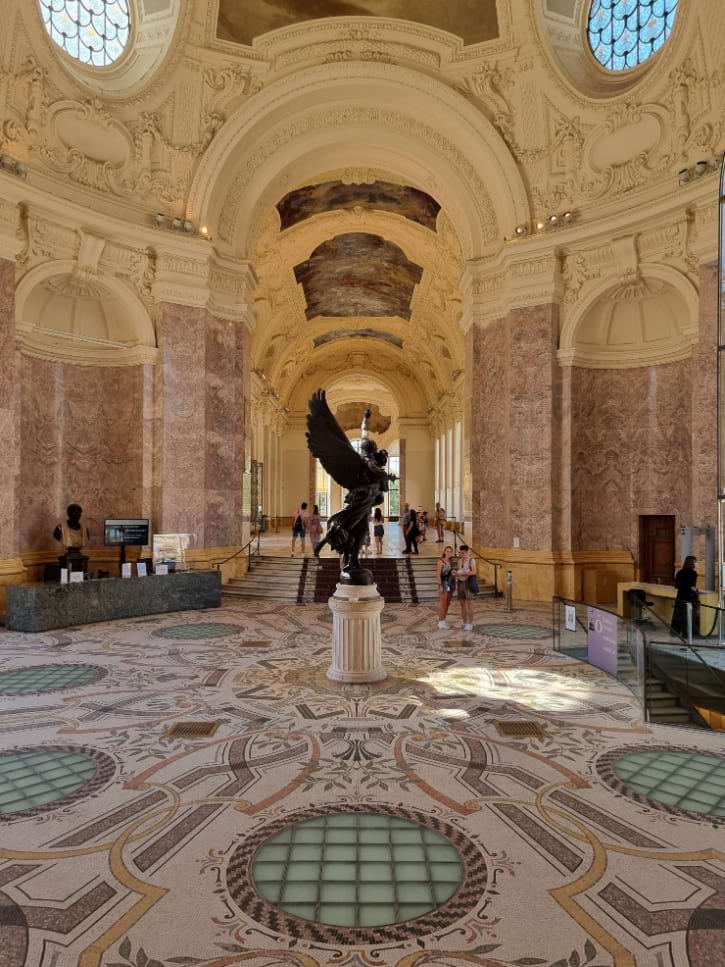
a. What you’ll see
- A wide collection running from antiquity to the early 20th century.
- Ancient Greek and Roman pieces, medieval tapestries, and Italian Renaissance drawings.
- Dutch masters like Rembrandt and Rubens, plus strong 19th-century French works by Courbet and Carpeaux.
- A gilded entrance gate, high-vaulted galleries, and a semi-circular garden courtyard.
b. Why it’s worth your time
- It feels grand and spacious compared with the city’s busier paid museums.
- The inner courtyard garden is a quiet, leafy escape with a café tucked inside.
- A great first museum if you want range and atmosphere in one visit.
c. Good to know
- The permanent collection is free, with no reservation needed.
- Temporary exhibitions are paid and ticketed separately.
- There is a ground-floor accessible entrance to the right of the main staircase.
d. Getting there and what’s nearby
- Metro: Lines 1 and 13 (Champs-Élysées-Clemenceau), or Franklin D. Roosevelt.
- RER: C (Invalides).
- Combine it with the Grand Palais, the Seine, Pont Alexandre III, the Champs-Élysées, or Invalides.
Read More: The Perfect Right Bank Walking Route in Paris for One Unforgettable Day
4. Musée d’Art Moderne de Paris
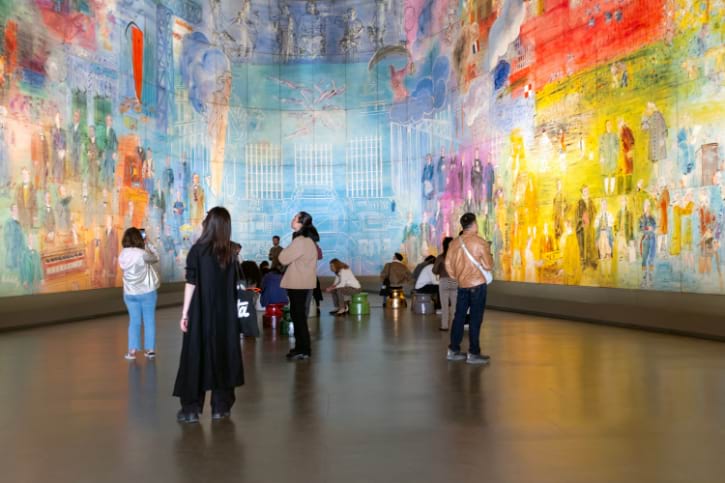
This is the best free option for modern and contemporary art fans, and it is no small side stop. It is a major museum, set in big light-filled galleries near the Seine, with Eiffel Tower views from its outdoor terraces.
Here is the useful part. This is the City of Paris museum of modern art, not the Centre Pompidou.
Its permanent galleries are generally free, and with the Pompidou closed for a multi-year renovation, this has become the city’s main public space for modern art.
It opened in 1961 in the Palais de Tokyo, built for the 1937 International Exposition.
a. What you’ll see
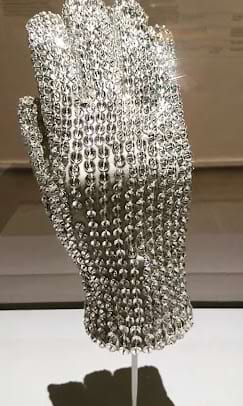
- A collection of more than 15,000 works, one of Europe’s strongest for modern art.
- Movements including Fauvism, Cubism, the School of Paris, and Abstraction.
- Artists like Picasso, Matisse, Braque, Modigliani, and Utrillo.
- The showstopper, Raoul Dufy’s La Fée Électricité, a mural of about 600 square meters.
b. Why it’s worth your time
- A serious modern art collection that you can enjoy for free, often calmer than the Pompidou.
- The experimental ARC wing keeps things fresh with newer, bolder work.
- The riverside setting and Eiffel Tower views are a bonus on their own.
c. Good to know
- The permanent collection is free, with no advance booking for individuals, subject to capacity.
- Temporary exhibitions are paid and need a timed reservation in advance.
- Large bags must be checked, and the museum is fully accessible throughout.
d. Getting there and what’s nearby
- Metro: Line 9 (Iéna or Alma-Marceau).
- RER: C (Alma-Marceau).
- Pair it with Seine walks, Eiffel Tower viewpoints, Trocadéro, or the Palais de Tokyo.
5. Musée de la Légion d’honneur
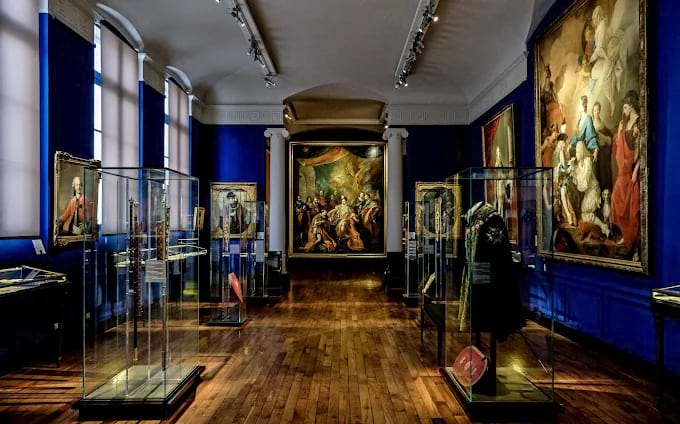
This one is a treat for a specific kind of traveler. If you are drawn to French history, medals, orders, ceremony, and fine design details, you will love it. It is compact, unusual, and easy to miss.
The Museum of the Legion of Honor and Orders of Chivalry sits inside the neoclassical Hôtel de Salm, built in the late 18th century.
It has long served as the ceremonial home of the Grand Chancellery of the Legion of Honor, an order created by Napoleon in 1802.
a. What you’ll see
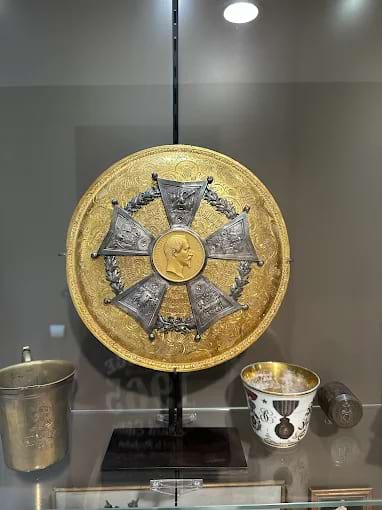
- Around 5,000 artifacts charting honors and decorations from the Middle Ages to today.
- French and foreign medals, insignia, and orders of chivalry.
- Ceremonial robes, historic swords, paintings, and official decrees.
- A clear path from medieval chivalry through to Napoleon and modern systems of merit.
b. Why it’s worth your time
- Few museums anywhere focus so completely on honors and decorations.
- It is rarely crowded, a real gift on the busy Left Bank.
- The building is part of the visit, with a colonnaded courtyard and a river-facing rotunda.
c. Good to know
- Entry is free for all visitors.
- The museum is accessible for visitors with reduced mobility.
d. Getting there and what’s nearby
- Metro: Line 12 (Solférino).
- RER: C (Musée d’Orsay).
- Combine it with a Seine walk, a Left Bank itinerary, or an exterior look at the Musée d’Orsay.
6. Musée des Archives Nationales – Hôtel de Soubise
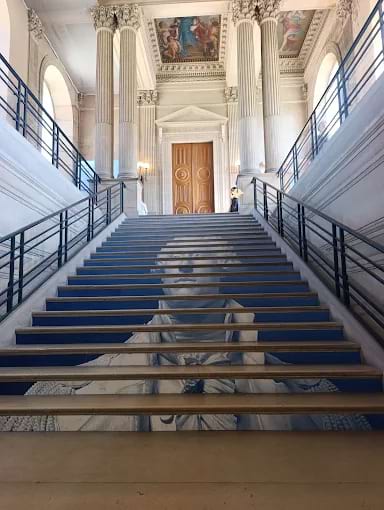
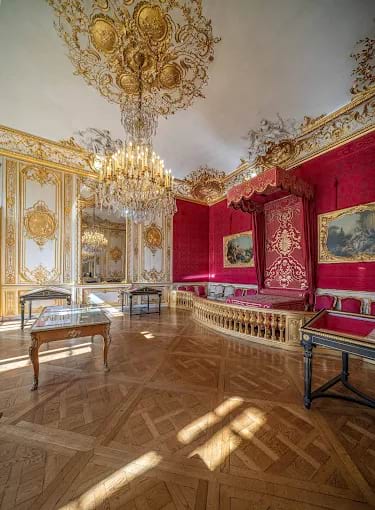
This is one of the most elegant free discoveries in the Marais. It is part historic mansion, part national memory, and part archive museum. If you enjoy beautiful interiors, history, and hidden courtyards, this one rewards you.
France’s national archives museum lives inside the Hôtel de Soubise, an 18th-century masterpiece. After a seven-year restoration, the historic gardens reopened on 4 June 2026, returning around 5,500 square meters of formal and Romantic-style gardens to the public.
a. What you’ll see
- Rococo interiors by Germain Boffrand, including the gilded apartments of the Soubise family.
- The wider complex, including the Hôtel de Rohan and the restored Chancellerie d’Orléans décors.
- Rotating archive displays with royal charters, medieval maps, and revolutionary decrees.
- The newly reopened formal gardens, a hidden green bonus.
b. Why it’s worth your time
- A rare chance to walk through real aristocratic palace rooms for free.
- The mix of grand interiors, gardens, and original documents feels surprisingly personal.
- It pairs beautifully with other Marais museums for a full cultural day.
c. Good to know
- General admission is free, covering the apartments, gardens, and archive exhibitions.
- The apartments and gardens are accessible, but the Chancellerie décors are not.
d. Getting there and what’s nearby
- Metro: Line 11 (Rambuteau), Line 1 (Hôtel de Ville), or Line 3 (Arts et Métiers).
- Build a Marais museum loop with the Musée Carnavalet and the Musée Cognacq-Jay.
7. Musée Cognacq-Jay
A small honesty note first. This museum is often listed as free, and its permanent collection usually is. But free access can be suspended during temporary exhibitions, when a combined ticket applies. So treat it as “usually free, but check before going”.
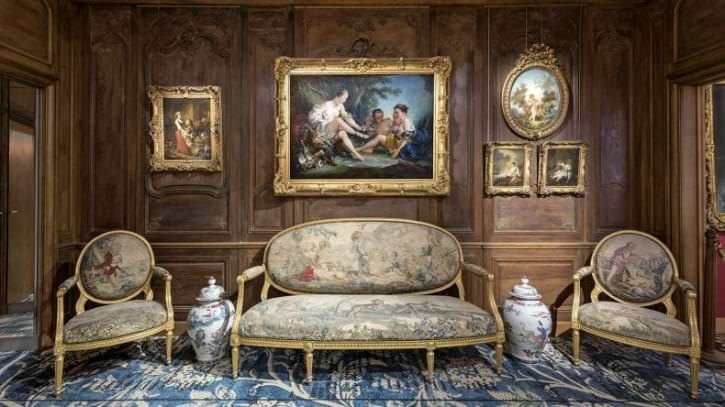
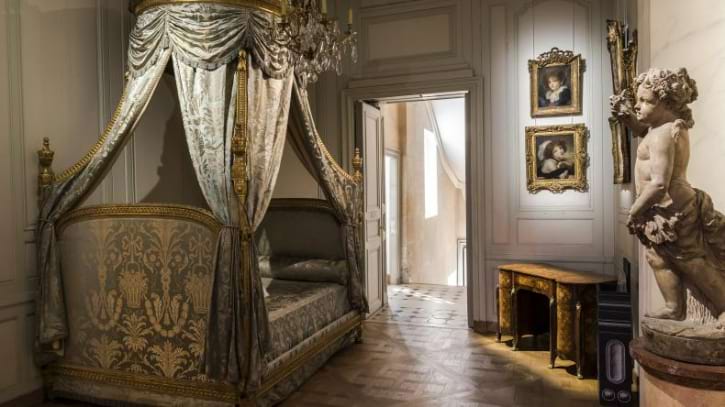
This City of Paris museum is built around the 18th-century collection of Ernest Cognacq and Marie-Louise Jay, founders of the La Samaritaine department store, housed in the Hôtel Donon, a listed Renaissance mansion in the Marais.
a. What you’ll see
- 18th-century French art, with paintings by Fragonard, Watteau, Boucher, and Tiepolo.
- Sculptures by Houdon and Clodion.
- Meissen porcelain, gold snuffboxes, and fine marquetry furniture.
- A surprising exception, the young Rembrandt’s biblical work Balaam and the Ass.
b. Why it’s worth your time
- It feels like a real collector’s home rather than a vast gallery.
- A quiet, compact visit that rewards lovers of decorative arts.
- A natural pairing with the nearby Musée Carnavalet.
c. Good to know
- The permanent collection is free outside temporary-exhibition periods.
- During temporary shows, a combined ticket applies, so check the website before arrival.
- The historic staircase means it is not wheelchair accessible, and there is no air conditioning.
d. Getting there and what’s nearby
- Metro: Line 1 (Saint-Paul), Line 8 (Chemin Vert), or Line 11 (Rambuteau).
- It is very close to the Musée Carnavalet, with the Archives Nationales nearby for a full Marais day.
8. Musée Carnavalet
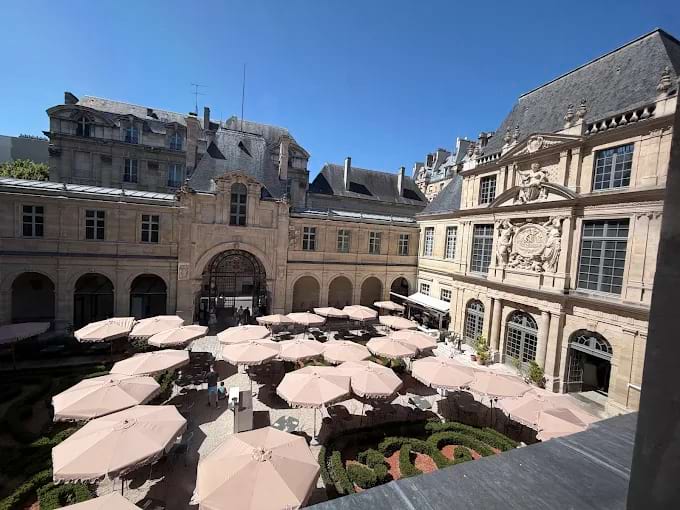
If you visit only one free museum, make a strong case for this one. Its subject is Paris itself, which makes it the perfect way to understand the city before you explore its neighborhoods. Visit early in your trip and the rest of Paris will make more sense.
The Musée Carnavalet, Histoire de Paris is part of the Paris Musées network and spreads across two historic Marais mansions.
After a four-year renovation completed in 2021, it is far easier to enjoy, with English signage throughout and much better wheelchair access.
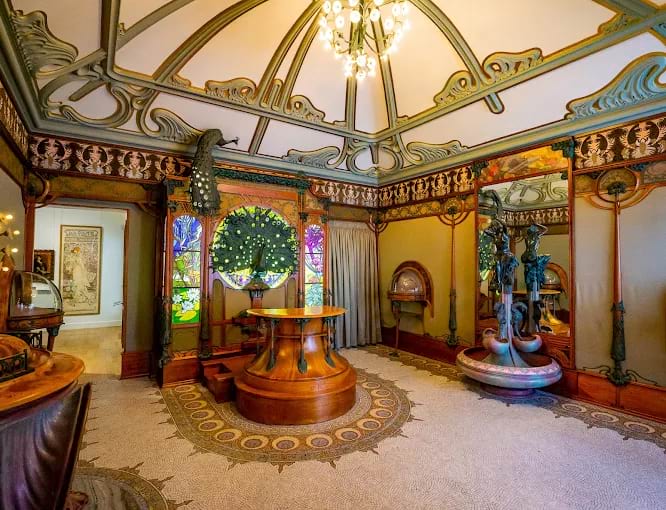
a. What you’ll see
- The story of Paris from prehistory to today, across 85 galleries.
- Roman Lutetia mosaics and Mesolithic dugout canoes.
- Medieval shop signs, guild banners, and reconstructed period rooms.
- Powerful French Revolution rooms, with items linked to Marie-Antoinette and Robespierre.
b. Why it’s worth your time
- The best free way to understand the city you are walking through.
- The recent renovation makes it clear, modern, and easy to follow.
- A dense, satisfying collection that genuinely rewards a longer visit.
c. Good to know
- The permanent collection is free, with no advance tickets or timed reservations.
- Temporary exhibitions are paid.
- Security screening applies, and there is a free app you can download on-site.
d. Getting there and what’s nearby
- Metro: Line 1 (Saint-Paul) and Line 8 (Chemin Vert), with Vélib options nearby.
- Pair it with Place des Vosges, the Maison de Victor Hugo, and the Musée Cognacq-Jay.
9. Maison de Victor Hugo
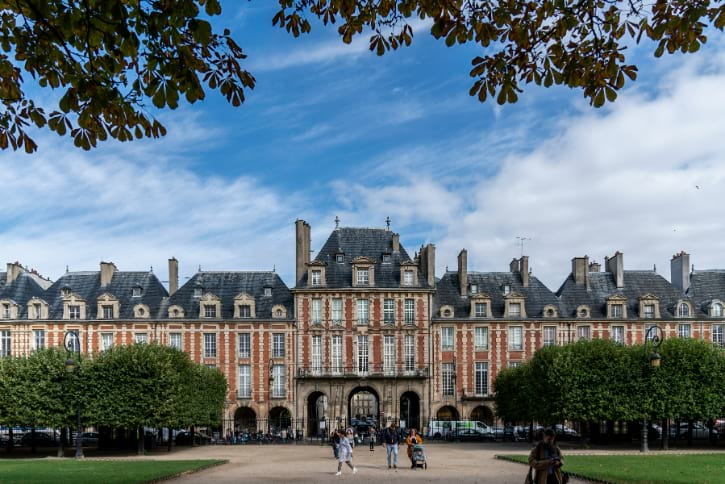
This is the former Paris home of Victor Hugo, set in Place des Vosges, one of the city’s oldest and most beautiful squares. It is intimate, literary, and full of atmosphere.
One important caveat first. While City of Paris permanent collections are usually free, the museum is currently paid because of the temporary exhibition Hugo et l’architecture, running through 22 November 2026. Since the show runs through the historic rooms, the whole visit needs a combined ticket for now.
So treat it as “usually free, but check the current rule before going”. Hugo rented the second-floor apartment of the Hôtel de Rohan-Guéménée from 1832 to 1848, a productive stretch when he wrote major parts of his masterworks.
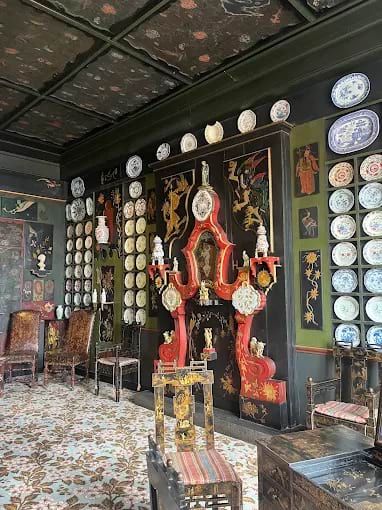
a. What you’ll see
- Original furniture, manuscripts, letters, photographs, and family portraits.
- Rooms tracing his life before, during, and after his fifteen-year exile in Guernsey.
- A real surprise, Hugo’s work as an artist, with gothic woodcarvings and thousands of drawings.
- A more personal view of the man behind Les Misérables and The Hunchback of Notre-Dame.
b. Why it’s worth your time
- The setting on Place des Vosges is magical on its own.
- His ink drawings surprise visitors who only know him as a writer.
- It shows the man through home, exile, politics, art, and family, not just books.
c. Good to know
- The permanent collection is normally free, but a combined ticket is required during the current exhibition.
- Always check the current exhibition rule before your visit.
- A coat and bag check is mandatory, with no oversized bags or luggage.
d. Getting there and what’s nearby
- Metro: Bastille (Lines 1, 5, 8), Saint-Paul (Line 1), or Chemin Vert (Line 8).
- Pair it with Place des Vosges, the Musée Carnavalet, and the wider Marais.
Read More: The Best Route to Explore Le Marais on Foot
10. Musée de la Libération de Paris
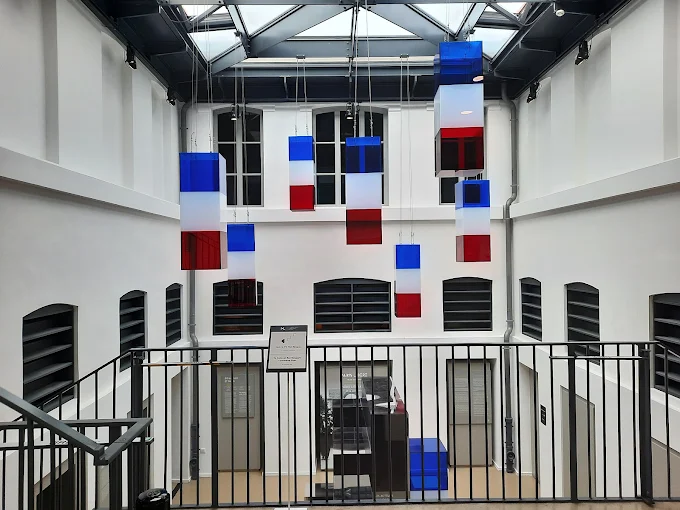
This is the most powerful history museum on the list. It is the right choice if you care about World War II, the Occupation, the Resistance, General Leclerc, Jean Moulin, and the Liberation of Paris.
This triple-named museum belongs to the Paris Musées network and was inaugurated in 2019, on the 75th anniversary of the Liberation. It sits in the restored Ledoux Pavilions at Place Denfert-Rochereau, a spot symbolically linked to the Battle of Paris.
a. What you’ll see
- A clear path through the Occupation, the Resistance, and the Liberation of Paris on 25 August 1944.
- The parallel lives of Resistance leader Jean Moulin and General Leclerc.
- More than 300 original objects, with uniforms, weapons, resistance flyers, and photographs.
- Immersive digital screens, interactive maps, and video testimonies.
b. Why it’s worth your time
- It connects museum storytelling directly to Paris streets and wartime memory.
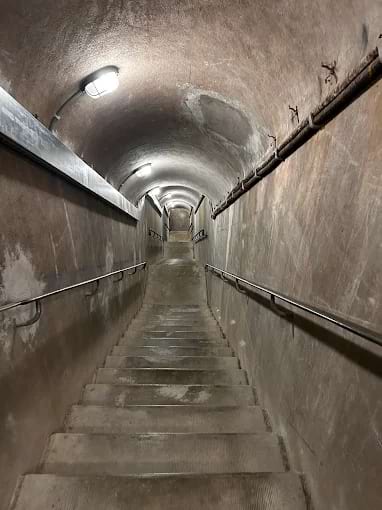
- The underground command post of Colonel Rol-Tanguy, about 20 meters down, is genuinely moving.
- A mixed-reality HoloLens tour adds a modern way to explore, for ages 12 and older.
c. Good to know
- Entry is free, and so is the permanent collection.
- The bunker visit is also free, but it needs a timed ticket booked on-site, so go to the desk first.
- The bunker has nearly 100 steep steps and is not wheelchair accessible. A 360-degree tablet tour is offered instead.
d. Getting there and what’s nearby
- Metro: Lines 4 and 6 (Denfert-Rochereau).
- RER: B (Denfert-Rochereau).
- Combine it with Denfert-Rochereau, the Catacombs area, or a wider south Paris route.