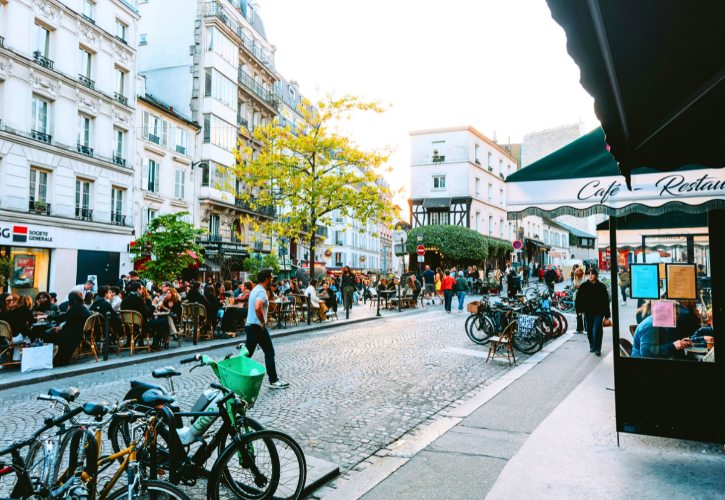
Paris often feels more intimidating than it really is, especially on a first visit. But most tourist problems are not dramatic or dangerous.
They come from a few predictable mistakes in crowds, on transport, at attractions, in restaurants, and during distracted moments.
A better trip starts with knowing where those problems begin and how to step around them. Let’s walk through the ten that matter most. 😊
1. Arriving With the Wrong Idea of What “Unsafe” Means in Paris
a. What the real risks are
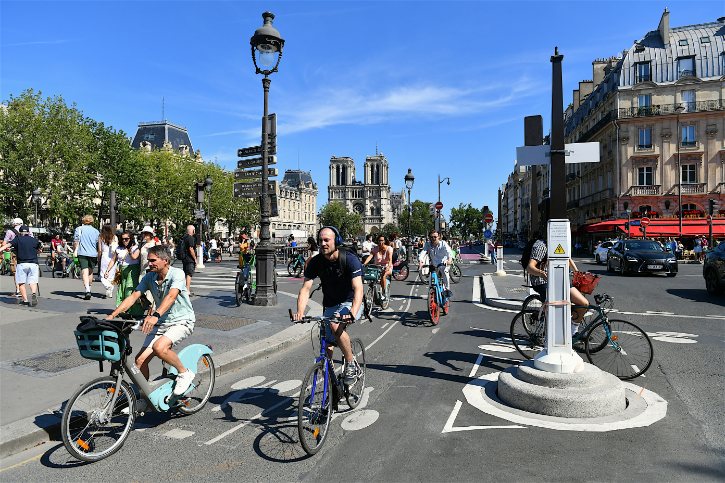
- Violent crime is relatively uncommon, so the danger most travelers picture is not the one they actually face.
- The real issues are petty theft, scams, overcharging, lost belongings, distraction, and poor planning.
- Most loss happens in small, ordinary moments, like a phone in a back pocket or a wallet in an outer bag pocket.
b. What official advice actually says
- The U.S. State Department keeps France at a Level 2 advisory, meaning exercise increased caution because of terrorism and civil unrest.
- That is the same level given to Germany, Italy, and Belgium, and France is not a “do not travel” destination.
- The advice points clearly to pickpocketing and phone theft in crowded tourist areas.
- Security reporting from OSAC agrees: violent crime is rare, while street crime stays a concern in tourist-heavy spots.
c. Who thieves target most
- Travelers who look lost, rushed, distracted, or overloaded with luggage.
- Anyone openly handling cash, phones, cameras, passports, or maps in busy areas.
d. The mindset that keeps you calm
- Treat Paris like London, New York, or Rome. Alert, not alarmed.
- Arriving paranoid makes you tense and reactive. Arriving informed keeps you calm and prepared.
- Stay relaxed, but raise your awareness in crowds, on transit, at tourist sites, and whenever money is changing hands.
Read More: France Entry & Exit: 7 Airport Rules Every Traveler Must Know
2. Ignoring Basic French Etiquette and Getting a Colder Welcome Than Expected
a. Why “Bonjour” comes first
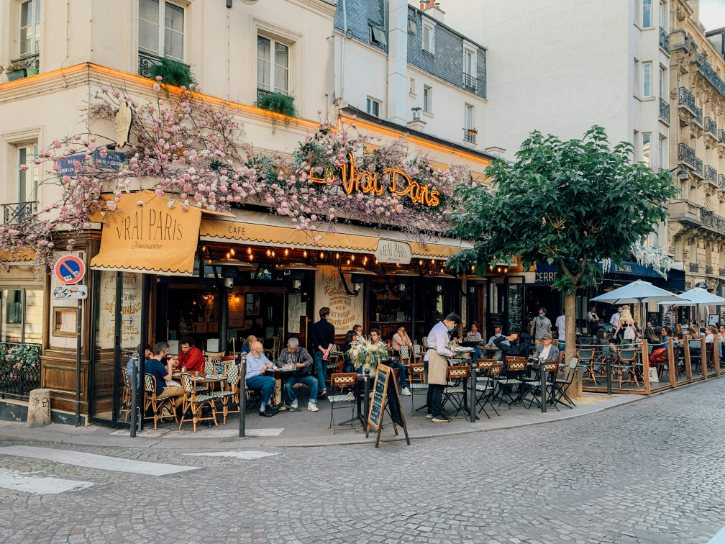
- A cold moment in a café or shop is usually not hostility. It is often a reaction to skipping basic courtesy.
- In France, “Bonjour” comes first during the day, and “Bonsoir” in the evening.
- Greet before you ask a question, order food, or switch to English.
- Even imperfect French shows respect, and it almost always gets a warmer response.
b. Phrases worth knowing
- Bonjour means hello or good morning.
- Bonsoir means good evening.
- S’il vous plaît means please.
- Merci means thank you.
- Excusez-moi means excuse me.
- Parlez-vous anglais ? means do you speak English?
c. Everyday manners that help
- Do not block narrow sidewalks or stop suddenly at metro exits.
- Move aside before checking your phone, and keep your voice down indoors.
- Treat service staff as people, not information machines.
- In cafés, wait to be seated when that is the custom, and keep your phone off the table.
d. Tipping, made simple
- Service is already included in the price.
- A little extra for good service is appreciated but never required.
- If a place pressures you to tip, slow down and check the bill.
3. Stopping for Street Scams, Fake Petitions, Shell Games, or “Free” Gifts
a. How the scams work
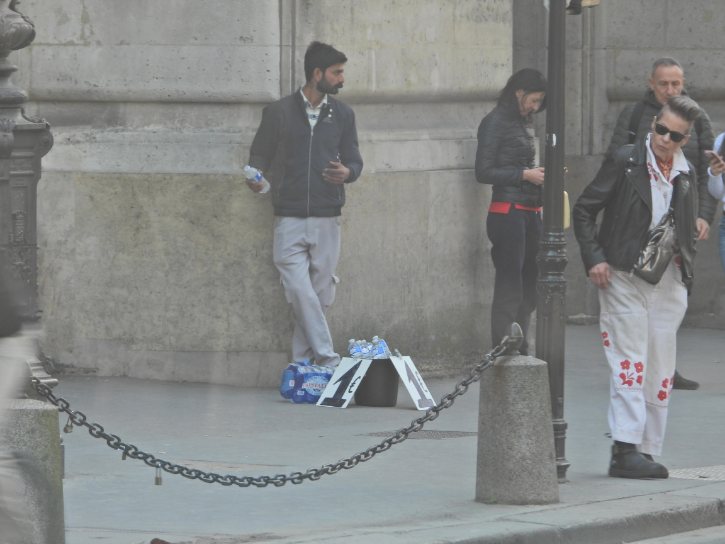
- Almost every street scam depends on getting you to stop.
- Once you stop, sign, accept, or reach for money, you are pulled into a setup.
- French Interior Ministry guidance (Ma Sécurité) flags organized operations at the Champ de Mars, Sacré-Cœur, the Louvre area, the Pont des Arts, and crowded metro exits.
- The core rule is simple: nothing handed to you on the street is truly free.
b. The most common scams
- Fake petitions. Groups with clipboards ask you to sign, then demand cash.
- The friendship bracelet. Common near Sacré-Cœur, where someone ties a thread to your wrist and then asks for payment.
- The gold ring. A person “finds” a ring near you, offers it as luck, then demands a fee.
- The shell game (le bonneteau). A rigged street game with cups or cards, where fake players win to draw you in.
c. Why distraction is the real danger
- These groups rely on politeness and your fear of seeming rude.
- While one person keeps you talking, another may eye your pockets, bag, or phone.
- The loss is often more than the money demanded, since the real target is what you are not watching.
d. What to do and not do
- Do not stop, sign, play, or accept anything placed in your hand.
- Do not let anyone tie something around your wrist.
- Do not debate, explain, or reach for your wallet.
- Say “Non, merci,” keep walking, and do not feel guilty for being firm.
4. Buying Attraction Tickets From Unofficial Sellers Near the Entrance

a. The Eiffel Tower
- Buy only from the official site, and check the URL (toureiffel.paris).
- Because of mandatory safety screening, there is no true skip-the-line option.
- Lift tickets are usually released online up to 60 days ahead, and stairs-only tickets about 30 days
- If online slots are sold out, you can still buy on the day at the physical windows, in the standard queue.
Read More: 10 Best Free Spots to Take Stunning Eiffel Tower Photos
b. The Louvre and Musée d’Orsay
- As of January 2026, the Louvre charges €32 for non-EEA adults and €22 for EEA residents.
- Everyone is strongly encouraged to book a timed-entry slot online, even visitors eligible for free entry.
- Fake or altered QR codes are caught at the turnstiles, which means no entry and no refund. Book through louvre.fr.
- The Musée d’Orsay also warns about fake third-party sites that charge inflated fees.
c. Red flags online and at the gate
- Sellers near entrances at the Eiffel Tower, the Louvre, or Versailles.
- Urgency lines like “last tickets”, “special access”, or “cash only”.
- No clear business registration, or availability when the official site is sold out.
- Prices far below official rates, or “official partner” wording the attraction does not confirm.
d. Booking safely
- Buy from the official attraction website whenever you can.
- Use clearly reputable operators for guided tours, and confirm the price includes actual admission, not just a guide.
- Check the exact URL before paying.
- Save your tickets offline on your phone, with a backup copy in your email.
5. Using Unofficial Taxis, Fake Ride Offers, or Unlicensed Transport
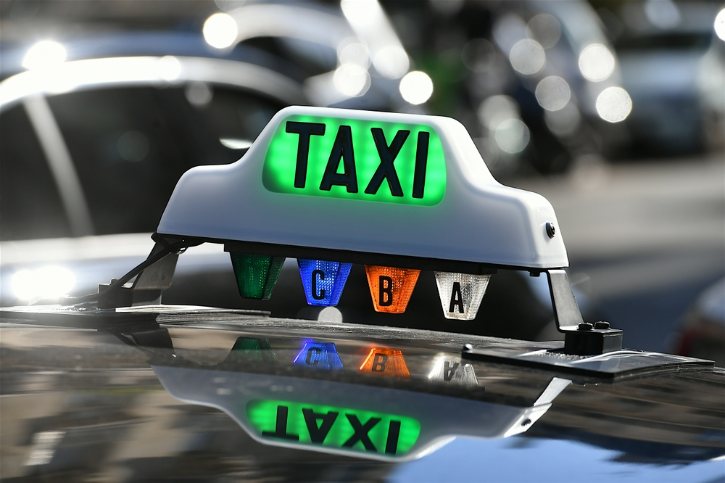
a. Airport taxis: where the real ones are
- At Charles de Gaulle, official taxis wait only at the ranks just outside the terminal exits.
- Look for the illuminated roof sign and a working meter.
- At Orly, follow the “Taxis” signs to the official queue.
- Do not respond to drivers approaching you inside the terminal.
b. The official flat fares
- CDG to the Right Bank: €56
- CDG to the Left Bank: €65
- Orly to the Right Bank: €45
- Orly to the Left Bank: €36
- These fixed rates apply to official taxis at the ranks, and traffic does not change them.
c. Taxis versus ride apps
- Flat rates apply to official taxis only.
- Private hire vehicles booked through apps like G7, Uber, or Bolt are different.
- Their prices are not fixed and depend on distance, traffic, and demand, shown before you book.
- An app ride can be safer than a street offer, since the price, route, and driver are recorded.
d. Risky offers and the fake police trick
- Be wary of drivers who approach before the rank, claims of a “strike” or “special price”, and unmarked cars.
- Be cautious of anyone grabbing your luggage before you agree to anything.
- Skip pedicabs or tuk-tuks with unclear pricing near landmarks.
- If someone claims to be a police officer and wants to inspect your wallet, cards, or cash, be careful. Real officers can show official ID and will never ask for your PIN or to check your cash on the street.
6. Keeping Valuables in Easy-to-Reach Places
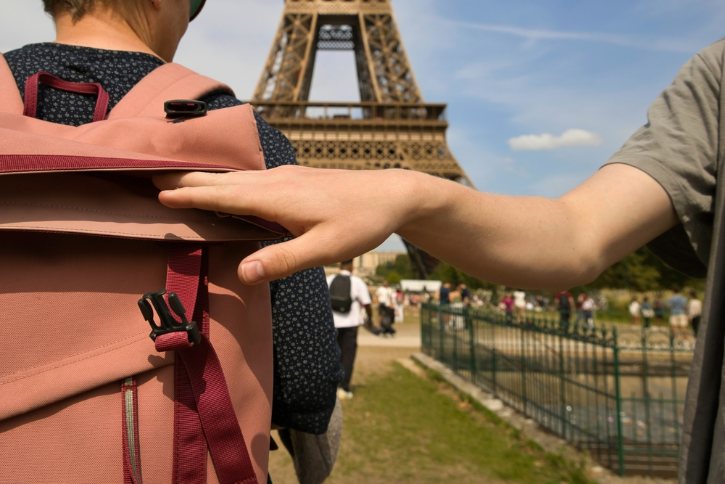
a. How pickpockets operate
- Pickpocketing rarely involves force. It involves distraction, often by groups.
- One person bumps or blocks you while another takes the item.
- A map, jacket, or bag may be used to hide the movement of their hands.
- The RATP transit network, escalators, busy queues, and open viewing platforms are prime spots.
b. The riskiest moments
- Boarding and leaving metro or RER trains, especially near the doors.
- Crowded escalators, station corridors, and long attraction queues.
- Taking photos at landmarks or watching street performers.
- Paying at a busy counter, or sitting at a café with your phone in the open.
c. Habits to drop
- Wallet or phone in a back pocket.
- Bag hanging on the back of a chair.
- Valuables in outer backpack pockets.
- Carrying your passport every day when you do not need it.
d. How to carry your things, and ATM safety
- Use zipped bags worn in front or across your body, and wear backpacks on your front in crowds.
- Keep one card separate from your wallet, and carry only the cash you need.
- Put your phone away before the train doors open.
- At ATMs, use machines inside a bank lobby, cover the keypad, and do not count cash in the open.
7. Forgetting That Cafés, Terraces, Parks, Hotels, and Rentals Can Also Be Target Areas
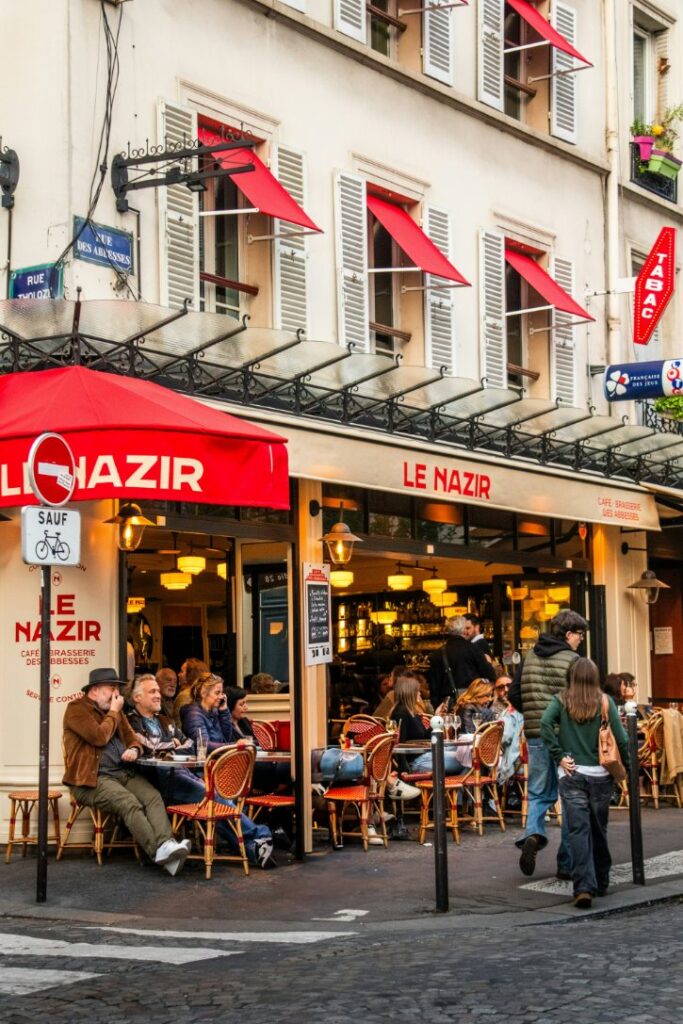
a. The café terrace trap
- Most travelers relax completely once they sit down, and that is when belongings are easiest to take.
- A phone on the table or near the edge is easy to grab.
- A bag on the back of your chair is easy to reach.
- If your bag is on the floor, place it between your feet or loop the strap around your leg.
b. Hotels and lobbies
- Check-in is a high-distraction moment, with luggage often grouped together.
- People assume everyone nearby is a guest, which is not always true.
- Keep an eye on your bags at reception and in the breakfast area.
- Use the room safe for backup documents, and keep valuables away from windows.
c. Parks and rentals
- In parks, do not leave belongings beside you while taking photos, resting, or eating.
- In rentals, lock windows and doors before leaving, and be careful with ground-floor units.
- Do not leave keys in obvious places or share access codes casually.
- Confirm rental details through the official platform, not off-platform messages.
d. Wi-Fi and nightlife
- Public Wi-Fi in cafés and hotels can be insecure, so avoid banking on it.
- Use mobile data or a VPN when needed, and watch for fake hotspots copying a venue’s name.
- At night, do not leave drinks unattended or accept drinks from strangers.
- Keep your phone, wallet, and bag secure when you leave a bar or club.
8. Eating at Tourist Trap Restaurants Without Knowing the Warning Signs
a. What the rules guarantee you
- Prices must be displayed outside during service hours, and the menu inside should match.
- Service is included (“prix service compris”), and mandatory tipping is not allowed.
- Menus must state clearly whether drinks are included.
- You have a legal right to free tap water with your meal.
b. Warning signs
- Staff aggressively waving you in from the sidewalk.
- No clear prices posted outside.
- Huge menus covering too many cuisines, with big food photos.
- Pressure to order bottled water, or extra items on the bill you did not order.
c. Good signs to look for
- A short, focused menu and a handwritten chalkboard (l’ardoise).
- The official “Fait Maison” symbol, showing dishes made on-site.
- A mix of locals and tourists, with clear prices outside.
- Recent reviews on Google or TripAdvisor that talk about the food and service, not just the view.
d. How to find better food
- Walk two or three streets away from the main landmark.
- Check posted prices before you sit down.
- Ask hotel staff or trusted locals for nearby suggestions.
- Two useful phrases: “Une carafe d’eau, s’il vous plaît” for tap water, and “L’addition, s’il vous plaît” for the bill.
Read More: 10 Mistakes Tourists Make Before Walking Into a Paris Restaurant
9. Wandering Into the Wrong Areas at the Wrong Time
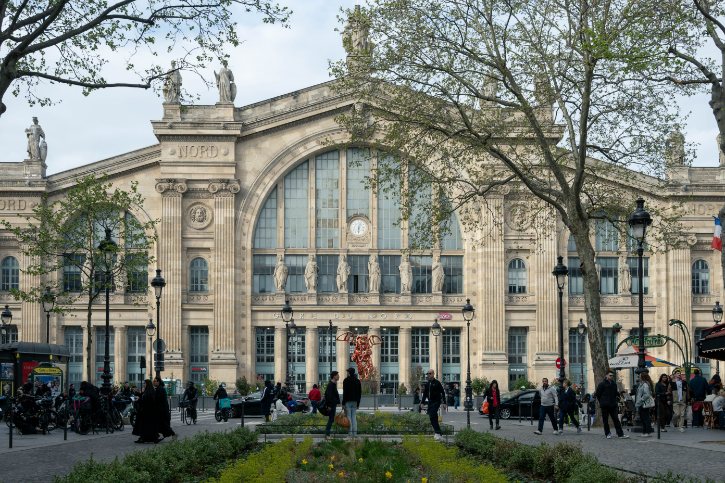
a. Why “wrong area” usually means “wrong moment”
- The real issue is usually timing, lighting, and crowds, not a permanently “bad” neighborhood.
- The same street can feel completely different at noon than at 1 a.m.
- Official guidance notes that petty theft is more likely around major railway stations, on certain RER lines, and near nightlife districts late at night.
- Demonstrations and strikes can disrupt transport, so avoid protest areas and heavy police activity.
b. Where to stay alert late
- Gare du Nord and Gare de l’Est. Fine for transit by day, but the surrounding streets thin out late at night.
- Pigalle, Barbès, and Belleville. Lively, but worth more care after midnight on quiet side streets.
- Châtelet–Les Halles. A huge, busy interchange and a known pickpocket zone.
- Lovely by day, but stay more alert after dark once crowds thin. Central Paris is generally easier, mostly because it is busier and better lit.
c. Situations that raise risk
- Being alone late at night after missing the last train.
- Walking while staring down at your phone, or wearing headphones in unfamiliar late-night areas.
- Leaving a bar or club tired and unsure how to get home.
- Taking a “shortcut” through a poorly lit or deserted area.
d. Smart habits, especially solo
- Stay on well-lit main streets and avoid poorly lit shortcuts at night.
- Plan your route home before you head out, and check your last metro or bus.
- Share your route with someone and use live location sharing when it helps.
- If a street feels empty or tense, turn back toward lights, shops, or a main road.
10. Having No Backup Plan for Lost ID, Stolen Cards, or Emergencies
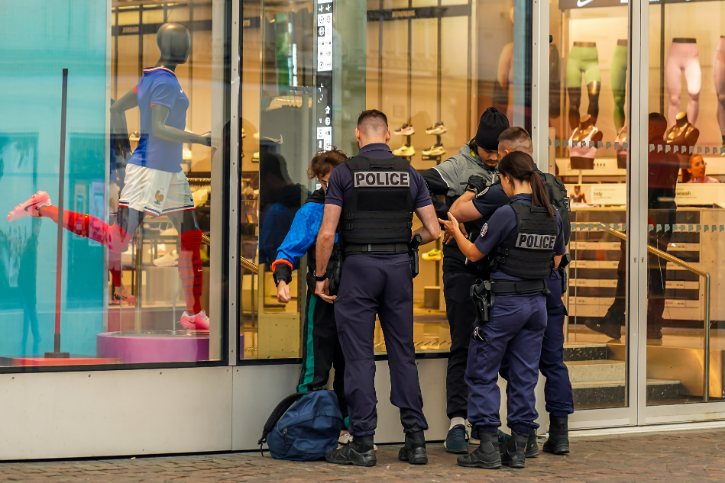
a. Emergency numbers to save
- 112 for ambulance, fire, or police (free from any phone).
- 17 for police.
- 15 for ambulance (SAMU).
- 18 for fire.
- 114 for deaf and hard-of-hearing access, by SMS, chat, and video.
b. How to report a theft
- File an online pre-complaint at pre-plainte-en-ligne.gouv.fr for a non-violent theft by an unknown person.
- Go to a police station, where many use software in around 30 languages.
- Use RATP direct reporting at a metro ticket desk if the stolen property is valued under €1,000.
- Keep the report, since it often matters for insurance, passport replacement, and card replacement.
c. What to prepare before you go
- Store passport and card copies securely, online and offline.
- Save insurance details and your bank’s emergency numbers separately.
- Keep one backup card and some emergency cash apart from your wallet.
- Enable phone tracking, and save your hotel address and embassy details offline.
d. What to do if something is stolen
- Move to a safe, public place, and freeze your cards right away.
- Report a stolen phone through your device account tools.
- File a police report or online complaint, and contact your embassy if your passport is gone.
- For passports, U.S. travelers follow State Department steps, Australians check their passport office and embassy, and everyone else contacts their own consulate.
Paris rewards travelers who relax into it. Once you know where the small problems start, you can spend less energy worrying and far more enjoying the city.