Singapore feels like an easy place to pack for, until you arrive. The heat is constant, the humidity is high, and rain can fall out of nowhere.
You will walk for hours, then step into freezing air-conditioning indoors.
On top of that, the airport and border rules are strict. Pack with a little thought and you stay cool, move around easily, and skip the small headaches.
The trick is not packing more. It is packing the right things. 😊
1. Lightweight, Breathable Clothing
Singapore is warm and humid every month of the year. There is no cool season, so do not pack for one. You will also walk a lot, which means comfort beats fashion here.
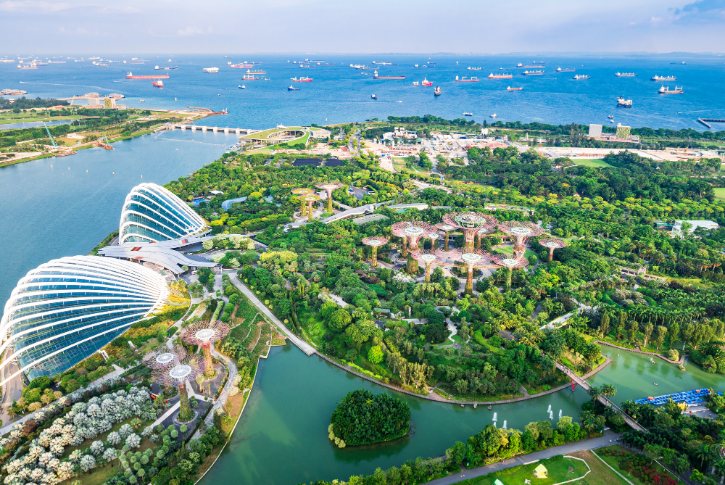
Long days on your feet around Marina Bay, Chinatown, Little India, Orchard Road, Sentosa, and Gardens by the Bay add up fast. Light fabric makes all of it easier on your body.
Reach for cotton, linen, and moisture-wicking materials. They breathe, dry quickly, and help you stay cool. Skip thick denim, heavy jackets, stiff fabrics, and clingy polyester, which trap sweat and tire you out.
a. What to pack
- 4 to 5 lightweight T-shirts or tops
- 2 to 3 pairs of shorts, skirts, or light trousers
- 1 to 2 casual dresses or easy evening outfits
- 1 light cardigan, linen shirt, or thin scarf
b. The AC layer rule
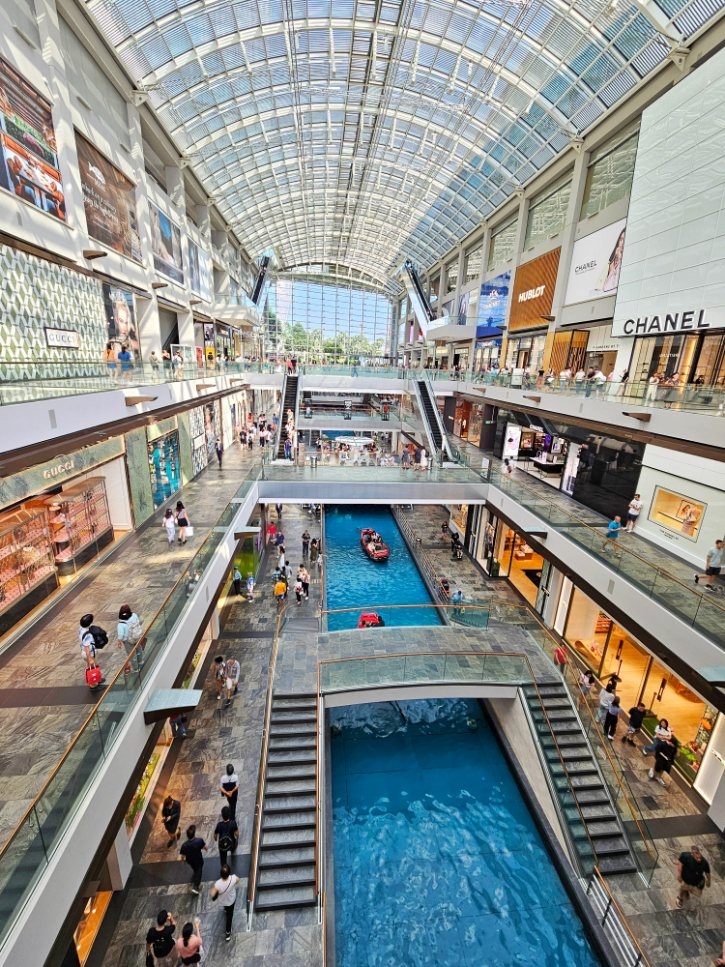
Malls, MRT trains, museums, and restaurants are often very cold inside. Going from hot outdoor air into a chilled room can feel like a shock.
Keep a thin layer in your day bag at all times. A light cardigan or scarf is enough to stay comfortable indoors.
c. Dress code for temples and mosques
Some temples, mosques, and heritage sites ask you to cover your shoulders and knees. Arrive without that and you may be turned away. Pack one modest outfit, or carry a large scarf that works as a cover-up.
d. A simple tip
Choose clothes that mix and match. Outfits that work for daytime sightseeing and casual dinners save space. Quick-dry items also help if you plan to use hotel or local laundry.
2. Comfortable Walking Shoes and Travel Sandals
Public transport is cheap and easy, but you will still walk a lot each day. The MRT and buses get you close, then your feet finish the job.
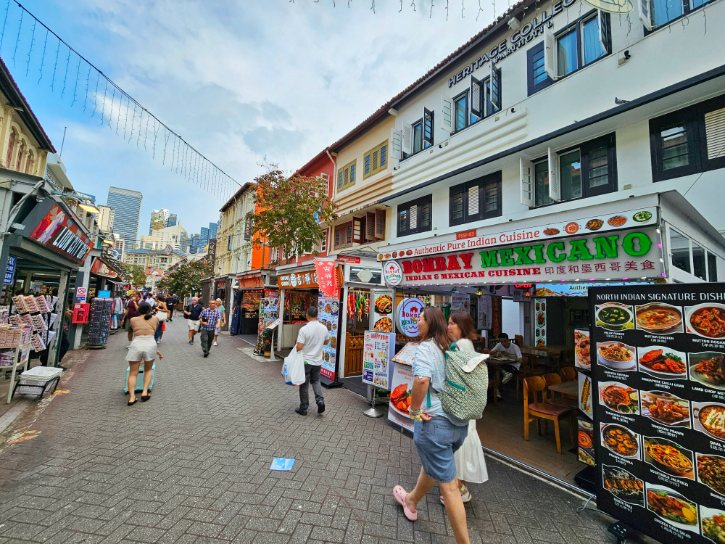
Some days reach 8 to 15 km of walking across hard pavement and outdoor paths. Areas like Gardens by the Bay, Chinatown, Marina Bay, and Sentosa often mean long routes.
A two-shoe plan works best:
- One pair of comfortable walking shoes for full sightseeing days
- One pair of travel sandals for humid days, hotel use, beaches, Sentosa, and sudden rain
a. Useful shoe features
- Cushioning and arch support
- Good grip
- Breathable material
- Quick-drying comfort
b. Shoe-removal etiquette
Some temples, mosques, and homes ask you to remove your shoes at the door. Easy-slip footwear makes this simple, so you are not fighting with laces in a doorway.
c. What to avoid
- High heels for full-day sightseeing
- Brand-new, stiff shoes you have not broken in
- Heavy hiking boots, since the pavements are flat and well-kept
Bring a few blister plasters for the first few days. Blisters heal slowly in humid weather, so it pays to be ready. Treat footwear as a comfort choice. The wrong shoes can quietly limit how much you enjoy.
3. Compact Rain Gear: Umbrella or Light Poncho
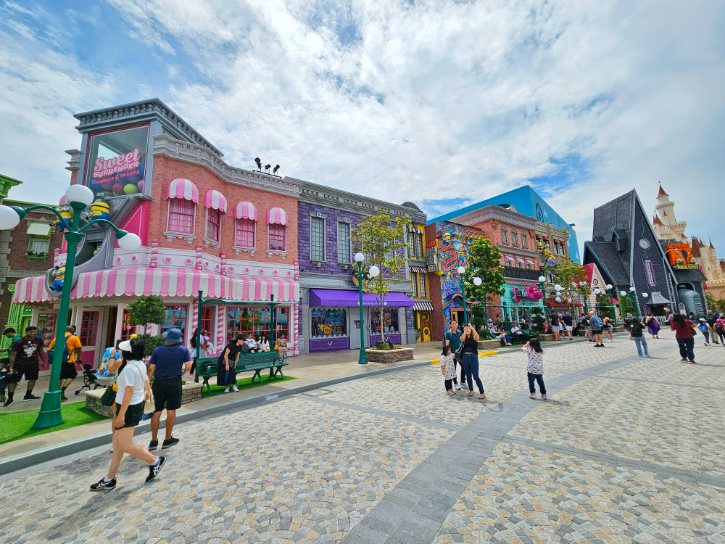
Rain here arrives fast and heavy, often with little warning. The morning forecast is not enough, so always carry your own rain gear.
Rain is most common in the monsoon months, but showers can hit any time of year. There are plenty of covered walkways, yet you will still get caught between stations and open-air spots.
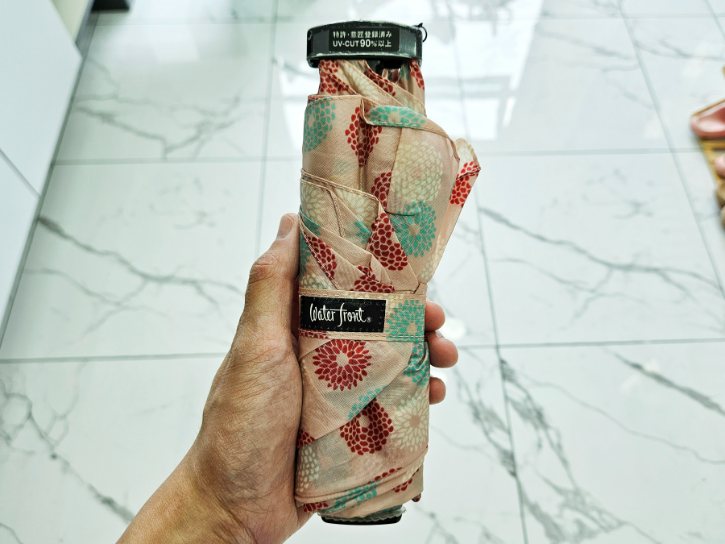
a. When an umbrella is better
A small foldable umbrella suits city sightseeing.
- It fits easily in a day bag
- It handles light to moderate rain
- It doubles as shade from the strong sun
b. When a poncho is better
A light poncho wins for heavier rain and busy outdoor days.
- Theme parks and outdoor queues
- Nature parks and trails
- Singapore Zoo, Bird Paradise, and Night Safari
A poncho keeps your hands free and protects your bag and camera. In crowded queues, it is also kinder than an open umbrella.
c. What to avoid
- Large golf umbrellas, awkward in crowds and on the MRT
- Heavy rain jackets, which feel hot and sticky in the humidity
Keep rain gear in your day bag, not at the hotel. Rain rarely waits for you to go and fetch it.
4. Sun Protection: Sunscreen, Hat, and Sunglasses
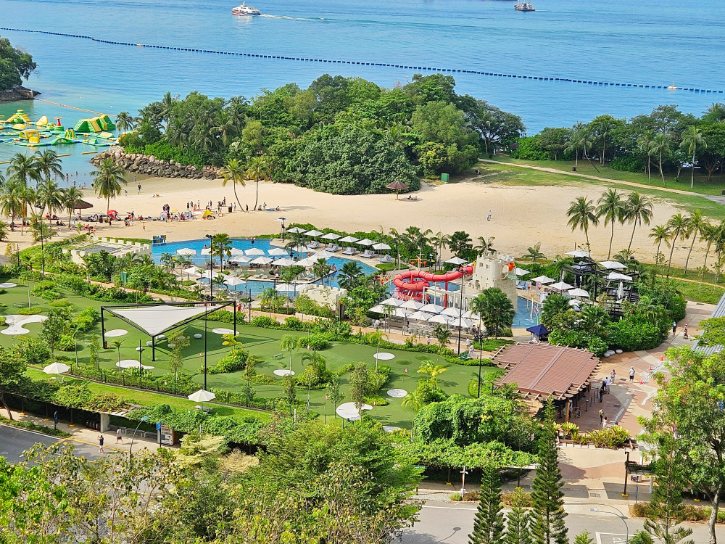
Singapore sits near the equator, so the sun is strong all year. UV stays high even on cloudy days, which catches many travelers out.
You will feel it most along Marina Bay, Sentosa, East Coast Park, and the gardens and river walks.
- Use SPF 50 broad-spectrum sunscreen on outdoor days
- Choose a water-resistant formula, since you will sweat
- Add a hat and sunglasses with UV protection
- Pack a little aloe vera gel for after-sun care
Sunscreen is sold here, but bringing your own brand saves money and last-minute shopping.
a. A simple routine
Apply sunscreen before you leave the hotel. Reapply during the day whenever you are outdoors for a while.
b. Airport liquid rule
If you carry sunscreen in your cabin bag, follow the rules. Each container must be 100 ml or less, and all of them must fit in one clear, resealable bag.
You will move between cool indoor spaces and bright outdoor areas all day, so keep your sun protection in your day bag.
5. Travel Documents, Entry Requirements, and Money Essentials
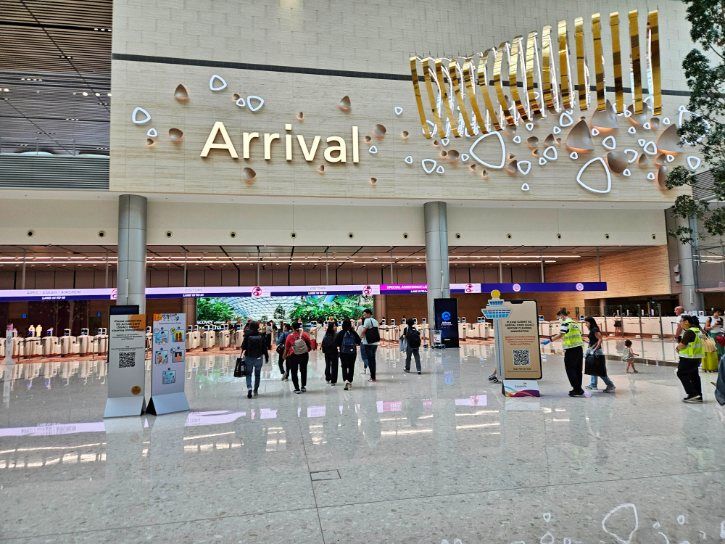
This is the most important section to handle before you fly. Singapore checks its borders carefully, so sort these things out before you board.
a. Documents and entry requirements
- Passport validity: non-Singapore passport holders usually need at least 6 months of validity from the date of entry.
- Visa: rules depend on your nationality. Check the official ICA website before you fly, as there is no visa on arrival.
- SG Arrival Card: most visitors must submit this within 3 days before arrival, including the day you land. Use only the official ICA service, since some other sites charge fees and are scams.
- Yellow fever certificate: required if you have recently been in a risk country before entering.
- Onward travel and funds: short-term visitors may need a return ticket and enough money for the stay.
b. What to carry, on paper and on your phone
- Passport and visa, if needed
- Flight and hotel bookings
- Travel insurance
- Attraction tickets or QR confirmations
- Emergency contacts
Keep both physical and digital copies, and save the key ones offline in case your data is not working when you land.
c. Money essentials
- The local currency is the Singapore Dollar (SGD).
- Cards are widely accepted, and contactless payment is common.
- Still carry some SGD cash for hawker centres, small stalls, and markets.
- Bring a backup payment method in case one card fails.
d. Customs and cash rules
Do not assume every item is allowed. Declare goods if required, and check Singapore Customs and ICA guidance first.
If you carry a large amount of cash into or out of Singapore, you may need to declare it. The threshold is SGD 20,000 or its foreign equivalent. Handling all of this early means less stress at immigration.
6. Public Transport Essentials: Cards, Apps, and a Day Bag
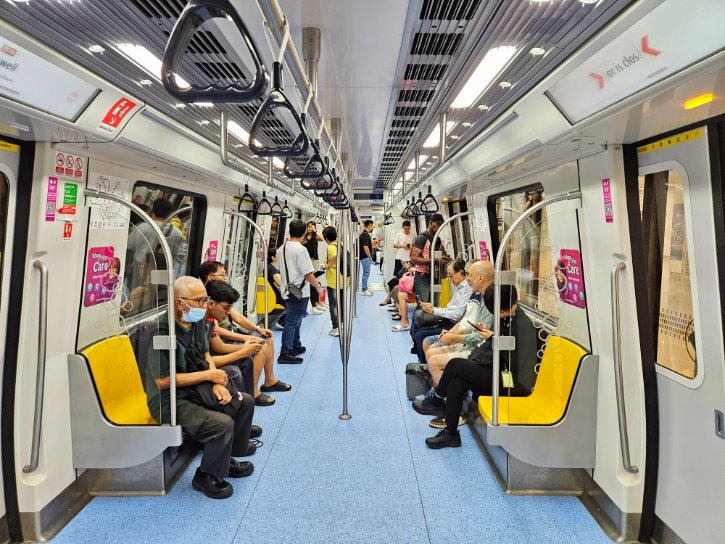
The MRT, LRT, and buses are clean, fast, and cheap, and they reach most sights. The right setup and a good day bag make every day smoother.
a. Payment options
- Contactless cards through SimplyGo. No sign-up needed, but foreign cards have a small daily admin fee of about SGD 0.60 per day of use.
- EZ-Link card, a stored-value card for MRT, LRT, and buses. It costs SGD 10 to start, which covers the card and some travel value. Keep at least SGD 5 on it to pass the gates. It skips the daily foreign card fee, so it suits longer stays.
- Singapore Tourist Pass, which gives unlimited travel for a set number of days, in 1-day, 2-day, and 3-day Good on heavy sightseeing days, but compare it to your plans first.
Fares are based on distance, not a flat rate, so check the options against your itinerary.
b. Where to get cards
- Changi Airport
- MRT stations
- Ticket offices or machines, depending on the card
c. Tap in and tap out
Always tap in and tap out on the MRT and buses. Forget to tap out, and the system may charge the maximum fare for that trip.
d. Useful apps
- Google Maps
- SG
- SimplyGo
- Your airline, hotel, and payment apps
e. Day bag essentials
- Phone and power bank
- Transport or payment card
- Water bottle and compact umbrella
- Sunscreen and any medicine
- Passport copy
- A light layer for the air-conditioning
A small backpack or crossbody bag works best. It should sit well for long walks, feel secure in crowds, and stay slim for busy MRT rides. This is about moving smoothly each day, not just buying a card.
7. Power and Connectivity: Travel Adapter, Power Bank, and Devices
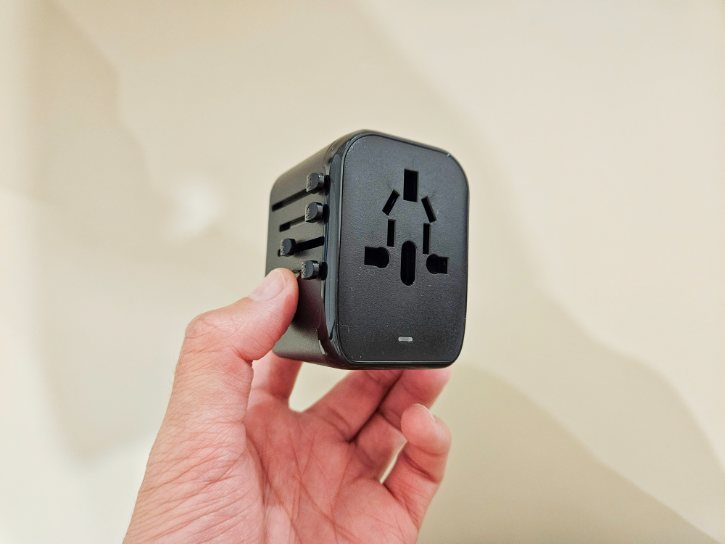
Your phone does a lot of work here, from maps and tickets to payments and photos. Keep it powered and connected.
a. Plugs and voltage
- Singapore uses the Type G plug, the UK-style three-pin plug.
- The electricity is around 230V at 50Hz.
Bring a Type G travel adapter, or a universal one if Singapore is part of a multi-country trip. Most modern phones, laptops, and chargers are dual-voltage, so they work fine. Check the label to be sure. Older single-voltage devices may need a voltage converter.
b. Power banks and battery rules
A power bank is a smart choice for long days, since heavy use drains a phone fast. Airline rules are strict, so check before you fly:
- Power banks must go in your cabin bag, never in checked luggage.
- There is a limit on how many you can bring.
- Very high-capacity power banks may need airline approval or may not be allowed.
- You usually cannot charge a power bank during the flight.
If a power bank lists only mAh and voltage, estimate its watt-hour rating by multiplying mAh by voltage and dividing by 1000. Keep your cables organized, and pack the right ones for your phone, camera, earbuds, and laptop.
c. Staying connected
- You can buy a tourist SIM card at Changi Airport.
- You can arrange an eSIM or roaming plan before you arrive.
- Save key details offline: hotel address, bookings, QR tickets, and flight info.
A charged phone in Singapore is more than convenient. It runs your transport, tickets, payments, and directions, so treat it as a daily essential.
8. Health Essentials: Medication and Basic First-Aid Items
Pack what you personally need, but do not assume every medicine can come into Singapore without checking. This is travel preparation, not medical advice.
a. What to pack
- Personal prescription medication
- Pain relief or fever medicine
- Stomach medicine and antidiarrheal medicine
- Motion-sickness tablets and antihistamine
- Antacids and blister plasters
- Antiseptic wipes and hand sanitizer
- A digital thermometer
Keep essential medicine in your hand luggage, especially for the flight and arrival day. Prescription medicine should stay in its original packaging with clear labels, and it helps to carry a prescription or doctor’s letter.
b. Singapore’s medication rules
The Health Sciences Authority (HSA) controls what you can bring in.
- Many common medicines are allowed for personal use if you meet the conditions.
- Some are allowed up to a 3-month supply.
- Some need prior approval, depending on the active ingredients.
Certain medicines need approval before you arrive, including some sleeping pills, antidepressants, stimulants, and strong painkillers. If approval is needed, apply before your trip and carry the documents. A few more points:
- Do not bring medicine for someone else, unless it is for an immediate family member traveling with you and meets the rules.
- Prohibited substances cannot be brought in at all.
- Check active ingredients before you leave home, not at the airport.
c. Travel insurance
Singapore’s healthcare is excellent, but treatment can be costly for visitors. A good travel insurance policy can cover unexpected medical bills and give you peace of mind.
9. Mosquito Repellent for Outdoor Areas
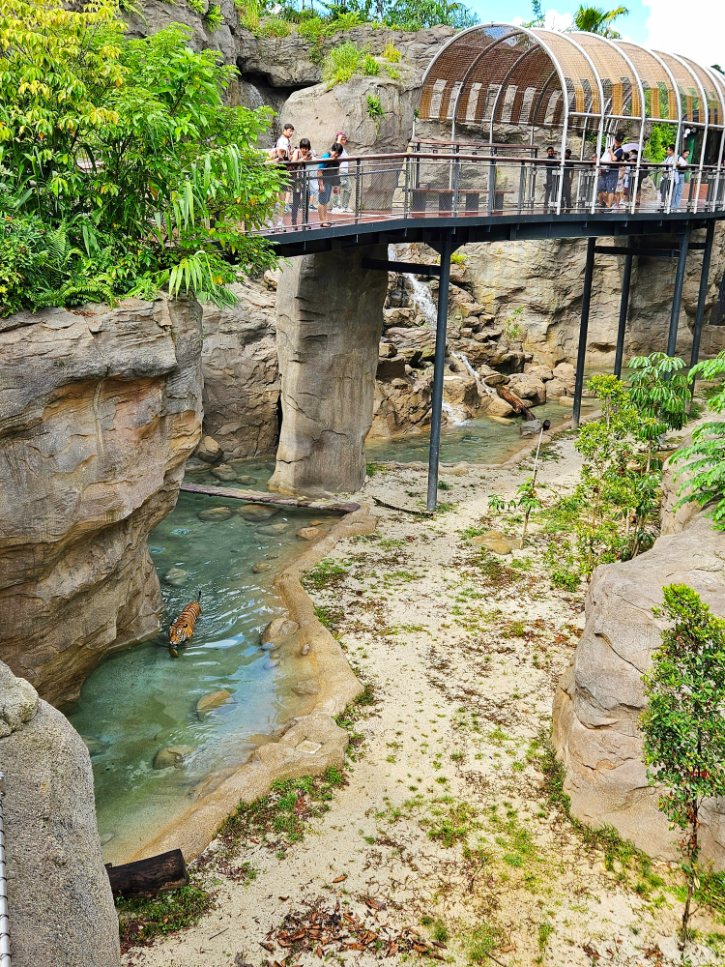
Singapore takes dengue prevention seriously, and mosquitoes are around. Repellent is not just for jungles. It helps in city parks, gardens, and during evening activities.
Dengue risk is usually higher around May to October, but check current NEA updates. No need to panic, but outdoor-heavy days go better with repellent in your bag.
a. Where it helps
- East Coast Park
- Gardens by the Bay outdoor areas
- Singapore Botanic Gardens and MacRitchie Reservoir
- Sentosa nature trails
- Singapore Zoo, Bird Paradise, and Night Safari
b. What to look for
Choose a repellent with a proven active ingredient such as DEET, Picaridin, or IR3535. More than one works well, so pick what suits you.
c. How to use it
- Apply before outdoor walks
- Reapply as directed, and again after sweating
- Wear light, long-sleeved clothing in mosquito-heavy areas
The myENV app is handy for NEA weather and dengue alerts, and you can check for active clusters before visiting outdoor spots. A preferred brand from home keeps you covered from the moment you land.
10. Reusable Water Bottle for Daily Sightseeing
The heat, humidity, and long walks make hydration important. Active days need frequent water breaks, so make it easy to stay topped up.
The good news is that Singapore’s tap water is safe to drink straight from the tap. The PUB confirms it meets local standards and WHO guidelines, so you do not need to buy bottled water all day.
a. Where to refill
- Hotels and shopping malls
- MRT stations
- Parks and gardens
- Airport water stations after security
b. Bottle features to look for
- Lightweight and compact for a day bag
- Leak-proof lid
- Easy to refill
- Insulated stainless steel if you want cold water for hours
A reusable bottle saves money and cuts plastic waste. It only helps if you carry it all day, so size and weight matter more than you might think.
11. Avoid: Vapes, E-Cigarettes, and E-Liquids
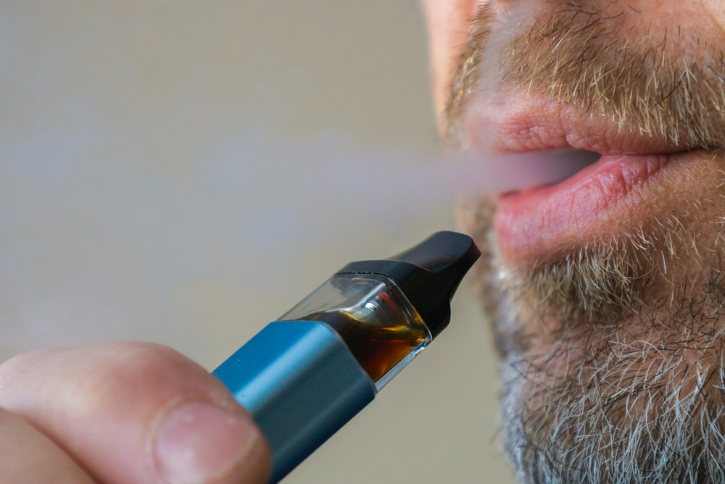
This is not a “better not bring” item. It is a serious legal risk, so read it carefully.
Do not bring any of these:
- Vapes and e-cigarettes
- Vaporisers and vape pods
- Cartridges and refill liquids
- E-liquids and related parts
In Singapore, it is illegal to buy, own, use, bring in, sell, or share these products. The rule applies to tourists too, with no exceptions for people in transit.
a. Check every bag before you fly
It is easy to forget a device in a pocket, so check:
- Hand and checked luggage
- Handbags and jacket pockets
- Toiletry pouches and backpack pockets
Dispose of any vaping products before entering Singapore. Checkpoints use scanning technology, and carrying these items in any bag counts as illegal importation. You may see disposal bins before customs.
b. The penalties are heavy
Penalties can include heavy fines, imprisonment, deportation, and re-entry bans. Vapes containing etomidate, sometimes called “Kpods”, carry even more serious consequences.
Many travelers assume vaping rules are the same everywhere. In Singapore they are not, so leave these items at home.
12. Avoid: Heavy Clothing and Bulky Toiletries
Singapore is warm, humid, and easy to shop in, so heavy and bulky items mostly weigh you down. Overpacking is one of the most common mistakes here.
a. Heavy clothing to leave at home
- Thick coats and winter jackets
- Heavy sweaters and bulky jeans
- Heavy formal outfits
- Too many “just in case” pieces
One light layer handles the air-conditioning better than several heavy ones. One smart-casual outfit covers most nicer restaurants and bars. A compact umbrella or poncho beats a thick rain jacket.
b. Bulky toiletries to skip
- Full-sized shampoo, conditioner, and body wash
- A full skincare routine
- Large bottles of sunscreen
- Hair dryer and beach towels
Most hotels provide basic toiletries and a hair dryer. You can also buy what you need at Guardian, Watsons, FairPrice, and other shops after you arrive.
c. Carry-on liquid rules
Liquids, aerosols, and gels in your cabin bag must follow the 100 ml container rule, and they must all fit in one clear, resealable bag.
d. Smart packing strategy
- Use travel-size toiletries or refillable 100 ml bottles
- Use packing cubes to save space
- Pack based on trip length, laundry access, and hotel amenities
- Leave space for shopping, around 5 to 7 kg of spare luggage if you plan to buy gifts
The aim is lighter luggage without feeling unprepared.
13. Avoid: Cannabis, Illicit Drugs, and Unapproved Controlled Medications
Singapore has some of the strictest drug laws in the world. This section is firm and factual for good reason.
Do not bring any of these:
- Cannabis and cannabis products
- Cannabis edibles
- CBD oil and hemp-derived products
- Illicit drugs and drug-related products
- Any controlled substance not approved where approval is required
a. Home country rules do not apply here
Some items that are legal elsewhere are still illegal in Singapore, even if cannabis, CBD, or hemp products are legal where you live. Hemp and CBD are treated as controlled substances here.
Singapore takes a zero-tolerance approach. Possession, use, trafficking, and importation can carry severe penalties, and the most serious trafficking offences carry the harshest penalty under Singapore law.
Do not treat any product as harmless, and verify every questionable item before you pack it.
b. Controlled medications
Some prescription medicines need HSA approval before you arrive, depending on the active ingredients. Examples include certain sleeping pills, antidepressants, stimulants, and strong painkillers.
To stay safe:
- Check the active ingredients before you travel
- Keep medication in its original packaging
- Carry a prescription or doctor’s letter
- Apply for approval before your trip if required, and carry the documents