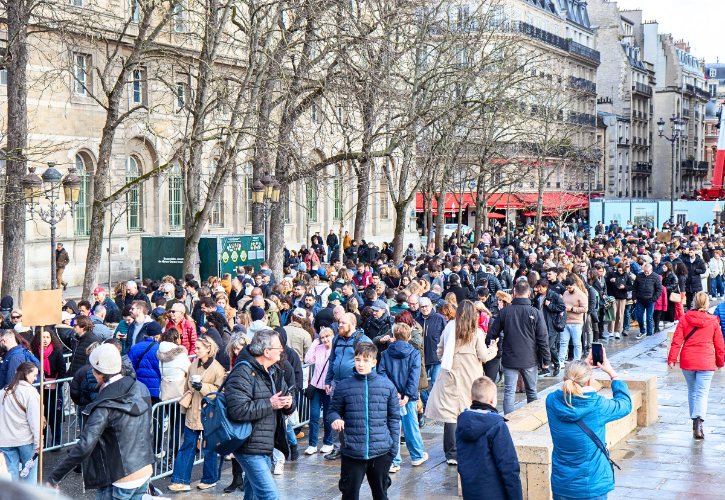
Paris is one of the most rewarding cities in the world to explore. And the travelers who enjoy it most are usually the ones who plan a little smarter before they go.
A few simple things can make your days smoother, save you real time, and help you see more of what you came for.
Here are ten worth knowing before your trip. 😊
1. Book the Attractions That Can Lock You Out Before You Arrive
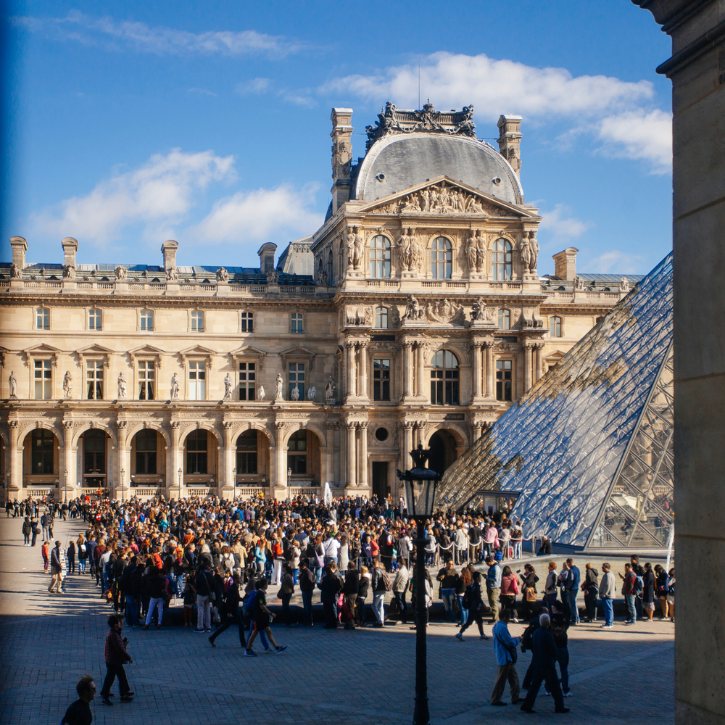
Big Paris attractions run on strict capacity limits and digital tickets. The trick is not just to book early, but to know which booking window each one uses.
a. The Paris Catacombs
- Limited to 200 visitors underground at a time, so entry is online and timed.
- Tickets open on a rolling window, exactly 7 days ahead.
- Every visitor needs a slot. There is no general walk-up line.
- Not covered by the Paris Museum Pass.
b. The Louvre
- Rolling release, about 90 days ahead, with a timed slot required.
- Morning slots (09:00 to 11:30) and the free first Friday evening sell out weeks early.
- Pass holders and free visitors still need a reservation.
c. Versailles
- Rolling release, about 90 days ahead, timed slot mandatory for all Palace entries.
- Walk-up entry is unreliable and means a long wait, then a second security line.
- Even free visitors need a timed Palace slot.
d. The Eiffel Tower
- Elevator (lift) tickets open about 60 days ahead on the official site.
- Stair tickets to the 2nd floor open on a separate, shorter window, currently about 30 days ahead.
- Walk-up tickets exist, but waits often run two to three hours, with no promise of summit access.
- Not covered by the Paris Museum Pass.
e. Notre-Dame Cathedral
- Entry to the nave is free for everyone.
- Free slots open only on the day, or up to 2 days ahead.
- Booking is optional, and an unreserved queue is allowed.
- Any third party charging for “skip-the-line” nave access is selling an invalid ticket. The official reservation is free.
A note on booking early. It does not work everywhere. The Catacombs (7 days), Eiffel stairs (30 days), and Notre-Dame (2 days) only open close to your visit. Know the window, not just the tip.
Time-saving tip. For each attraction, write down the official website, whether a slot is required, how far ahead it opens, and whether walk-up entry exists.
Read More: The Perfect Right Bank Walking Route in Paris for One Unforgettable Day
2. A Museum Pass or Free Ticket Does Not Always Mean You Walk Straight In
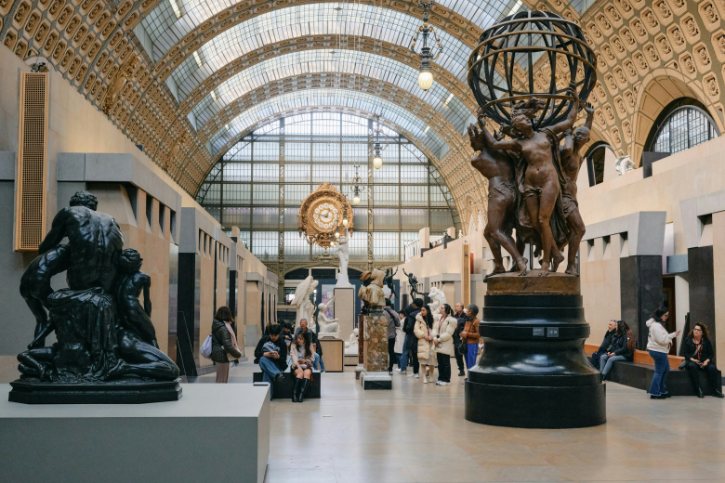
Here is a difference that costs people hours: being allowed in is not the same as having a slot to enter.
A Paris Museum Pass, an EU youth exemption (under 26), or a child ticket (under 18) covers the cost. None of them cancel a reservation rule. Think of the pass as a prepaid voucher, not a fast-track card.
a. The Louvre
- Book a zero-euro timed slot through the official site, even with a pass.
- Arrive with an unlinked pass on a busy day and you can be turned away.
b. The Musée d’Orsay
- Every visitor needs a reservation, including pass and free visitors.
- This rule holds during its renovation, which runs through 2028.
c. The Musée de l’Orangerie
- Pass holders must book a zero-euro time slot to see the Monet Water Lilies rooms.
d. Versailles
- Pass holders and free visitors must pre-book a zero-euro Palace slot.
- The pass covers the Palace and Trianon, but not the Gardens on Musical Fountain or Musical Gardens days, from April through October.
e. Attractions the pass does not cover
- The Eiffel Tower and the Catacombs are separate paid tickets.
- At Notre-Dame, the nave is free, but the Towers are a separate CMN booking.
- The Arc de Triomphe rooftop is covered and needs no timed slot. Free under-26 visitors enter by showing ID.
Time-saving tip. The moment you buy your pass, go attraction by attraction and complete every extra reservation. Save all confirmations in one place.
The takeaway. Having the right to enter does not guarantee a spot at a set date and time. Book the slot too.
Read More: 10 Best Free Museums to Visit in Paris
3. A Timed Ticket Does Not Mean You Skip the Security Queue
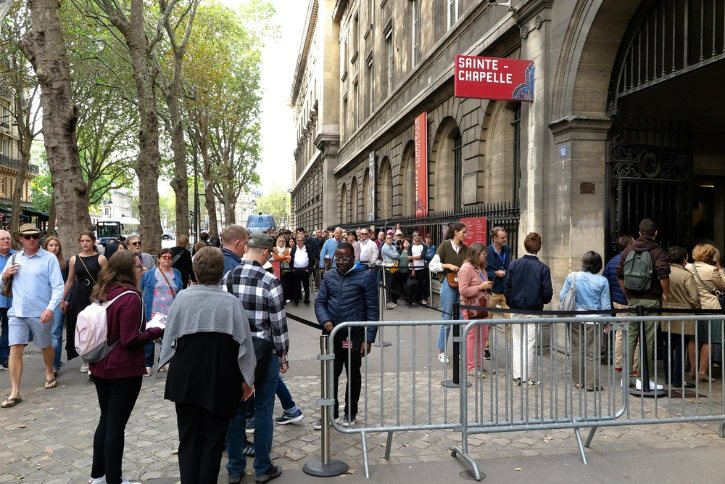
A timed ticket usually skips only one line: the box-office purchase line. It does not skip France’s security screening or the smaller lines inside.
At a major attraction you may pass through up to four lines:
- Perimeter security screening. Bag x-ray and metal detector, for everyone.
- Time-slot checkpoint. Staff sort ticket holders into arrival groups.
- Turnstile validation. Your barcode or pass is scanned.
- Internal bottlenecks. Elevators, staircases, and gallery checks.
a. Sainte-Chapelle
- It sits inside the Paris courthouse, so security is stricter.
- Morning lines often run 20 to 45 minutes, even with an early ticket.
b. The Eiffel Tower
- You clear security at the ground entrance first, then a second line at your pillar, then a third line for the summit lift if you have summit access.
c. The Louvre
- The main delay is the security x-ray under the glass Pyramid, not the ticket turnstiles.
So do not treat the time on your ticket as the moment you start sightseeing. Plan for transport + walk from the station + early-arrival time + security + the visit + the exit. If a ticket says “skip the line”, check exactly which line it means.
Read More: Sainte-Chapelle in Paris: What Most Tourists Miss Inside This Famous Chapel
4. Find the Exact Entrance and Queue Before You Get There
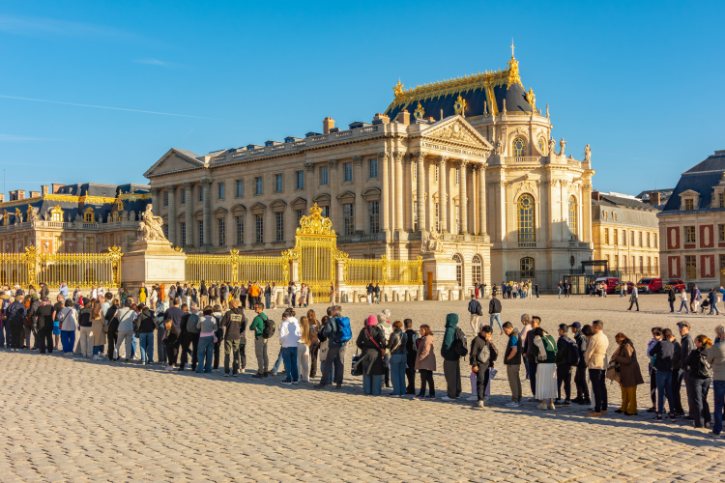
You can reach the right attraction and still lose time at the wrong door. Remember this all trip: the address is not always the entrance.
a. The Louvre
- Main entrance: the glass Pyramid (Cour Napoléon).
- Quieter option: enter underground through the Carrousel du Louvre mall (99 Rue de Rivoli, or the Palais Royal–Musée du Louvre Metro).
- Passage Richelieu is for pre-booked groups and museum cardholders.
b. The Musée d’Orsay
- Door A: individual ticket holders and reserved pass holders.
- Door B: groups.
- Door C: members and priority visitors.
c. Versailles
- Individual ticket holders assemble far left at Entrance A (Pavillon Dufour).
- Entrance B on the right is for tour groups.
- Visiting only the gardens or Trianon? Skip the Entrance A line and use the Cour des Princes.
d. The Eiffel Tower
- Enter at Entrance 1 (South) or Entrance 2 (East), where the first security check happens.
- Ticket holders and non-ticket visitors are separated, so have your ticket ready.
e. The Arc de Triomphe
- Never cross the roundabout on foot. Use the Passage du Souvenir tunnel, reached from the Champs-Élysées or the Avenue de la Grande Armée.
f. The Catacombs
- Entrance: 1, Avenue du Colonel Henri Rol-Tanguy (Place Denfert-Rochereau).
- Exit: 21 bis, Avenue René-Coty, about 700 meters Plan your next trip from the exit.
Time-saving tip. The night before, check the official access map, the exact entrance name, your queue category, and where you will exit.
5. Check the Exact Date, Not Just the Normal Opening Days
Knowing a place “closes Mondays” is not enough. Closures also come from renovations, ceremonies, and services.
The usual weekly pattern:
- Louvre: closed Tuesdays. Late nights Wednesday and Friday until 21:00.
- Musée d’Orsay: closed Mondays. Late night Thursday until 21:45.
- Versailles (Palace and Trianon): closed Mondays.
- Sainte-Chapelle, Arc de Triomphe, Notre-Dame, Eiffel Tower: open daily.
- Catacombs: closed Mondays.
Now the exceptions.
a. Centre Pompidou
- The historic Beaubourg building is closed for renovation through 2030.
- Its exhibitions have moved to venues around Paris, including the Grand Palais.
b. The Musée d’Orsay
- The renovation of the entrance and reception areas runs through summer 2028.
- The galleries and collections stay fully open. What changes is how you get in, so check the current entrance before you go.
c. The Louvre
- Specific wings or rooms close on rotating days. Check the same-day notices.
d. The Arc de Triomphe
- Closed on the mornings of July 14 and November 11.
- Daily at 18:30, the flame ceremony limits movement on the plaza.
e. Versailles
- The Palace, Trianon, gardens, and park each keep their own schedule, and can close early on show days.
f. Notre-Dame
- Hours: Monday to Friday 07:50 to 19:00 (Thursday until 22:00), weekends 08:15 to 19:30.
- Masses run weekdays at 08:00, 12:00, and 18:00. During services, the nave is reserved for worshippers.
- Crown of Thorns veneration is every Friday from 15:00 to 18:30, drawing crowds.
Time-saving tip. Check each attraction three times: when you first plan, 24 to 48 hours before, and again on the morning of your visit.
Read More: 10 Breathtaking Churches in Paris You Can’t Miss
6. Closing Time and Last Admission Are Not the Same Thing
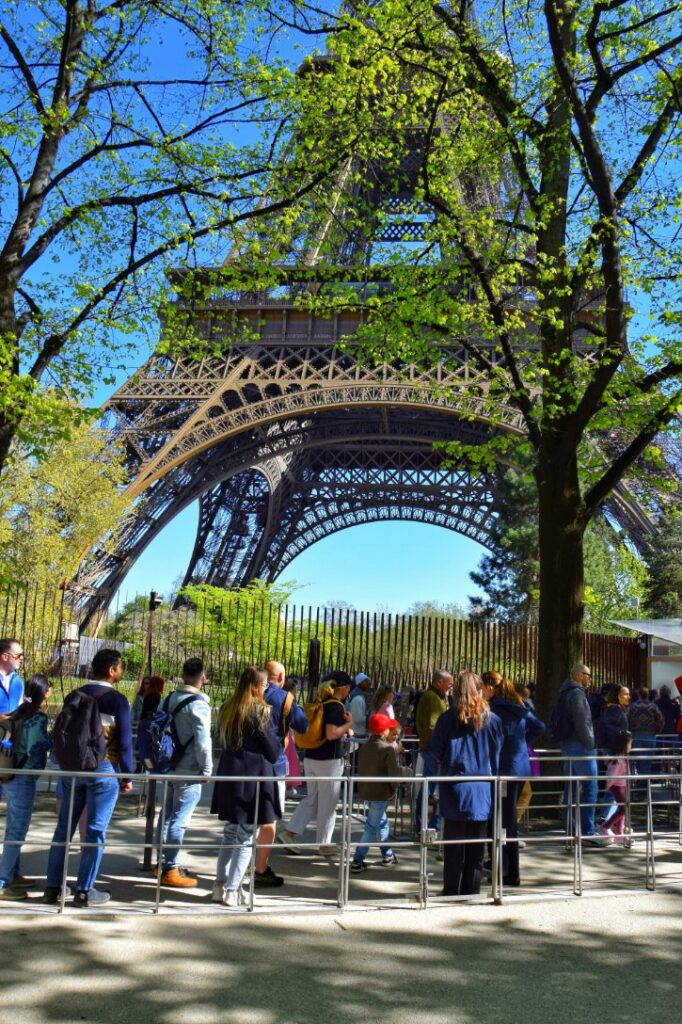
Arriving just before closing time is a classic way to waste a trip across the city. Museums keep firm gaps between last admission and the doors locking.
Key cutoffs to plan around:
- Louvre (standard): closes 18:00, last admission 17:00.
- Louvre (Wed / Fri): closes 21:00, last admission 20:00.
- Musée d’Orsay (standard): closes 18:00, last admission 17:00. (Thursday: closes 21:45.)
- Versailles Palace: closes 18:30 in high season, 17:30 in low season. Last admission about 45 minutes earlier (around 17:45 high season, 16:45 low).
- Estate of Trianon: opens at 12:00, closed Mondays like the Palace. Closes 18:30 high season, 17:30 low.
- Catacombs: closes 20:30, last admission 19:30, plus a one-hour circuit.
- Eiffel Tower (lift): closes 23:45 low, 00:45 high. Summit lift shuts about 45 minutes before.
- Arc de Triomphe: closes 22:30 in low season, 23:00 in high. Last admission is 45 minutes before closing (22:15 high season, 21:45 low).
- Sainte-Chapelle: closes 19:00 summer, 17:00 winter, last admission 40 minutes before.
Here is the part that matters most. French museums start clearing rooms 30 to 45 minutes before closing, and they close the big draws first, like the Mona Lisa room. So being let in at last admission does not mean a proper visit. At the Louvre or Versailles, arriving one hour before closing leaves only 20 to 30 rushed minutes.
Time-saving tip. Put the last-admission time in your plan, not the closing time.
7. The Best Time to Visit Is Different for Every Attraction
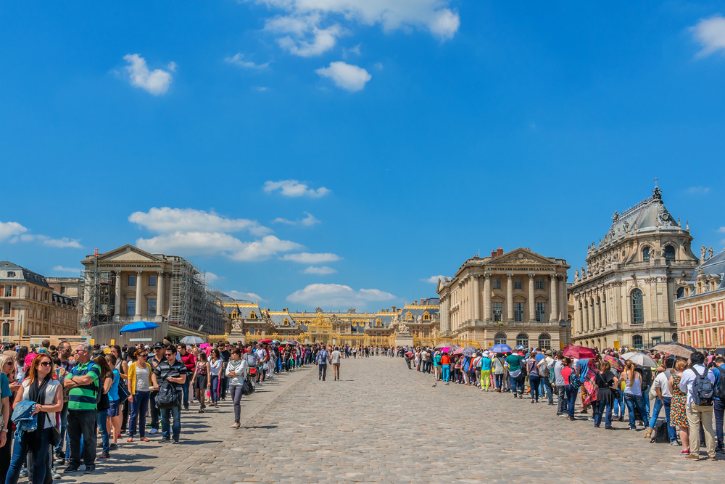
“Always go first thing” does not fit every place. Walk-ups and tour buses pile up between 09:00 and 11:30, so some sites are calmer later.
a. The Eiffel Tower
- Calmer: right at opening (09:30, or 09:00 in peak summer), or later in the evening after about 21:00.
- Busiest: around sunset, when those slots sell out first.
b. The Louvre
- Calmer: Wednesday and Friday evenings, 18:00 to 21:00, after group tours leave.
- The Tuesday closure pushes crowds to Orsay and Versailles, so those are busier on Tuesdays.
c. The Musée d’Orsay
- Calmer: Thursday evening, 18:00 to 21:45, or Tuesday morning, which opens fresh after Monday’s closure.
- Busiest: Tuesday afternoon, when the closed Louvre sends its crowds over.
d. Versailles
A reverse route beats the morning crush:
- 09:00: enter the Gardens and Park via the Cour des Princes.
- 12:00: explore the Trianon estate and Queen’s Hamlet.
- 15:30 to 16:00: enter the Palace on your reserved slot, after tour buses leave.
e. Sainte-Chapelle
- Best light for the stained glass: 11:30 to 14:00 on clear days.
A gentle reminder. No one can promise you an empty attraction at a set hour. Use official crowd guidance, and treat blogs and single reviews as hints, not guarantees.
8. Check Exactly What Your Ticket Includes Before Building Your Day Around It
Paris tickets are modular. A basic ticket often leaves out the part you came to see. Read the “what’s included” line before you buy.
a. The Eiffel Tower
- Four ticket types, split by stairs or lift, and by 2nd floor or summit.
- A 2nd-floor ticket cannot be upgraded to the summit after entry. Buy a summit ticket at booking if the top matters.
- If weather closes the summit, the price difference is refunded automatically.
b. Versailles
- A Palace Ticket covers only the main residence.
- A Passport Ticket covers the whole estate: the Palace, the Trianon estate (Grand and Petit Trianon, Queen’s Hamlet), the Gardens, and temporary exhibitions.
- On Musical Fountains Show and Musical Gardens days (April to early November), garden access is ticketed. A basic Palace ticket does not include it, but the Passport does.
c. Notre-Dame
- The nave is free. The Treasury is a separate €12 ticket, paid on-site. The Towers need a separate CMN booking (€16, online only).
d. Sainte-Chapelle
- Covers the upper and lower chapels. A combined ticket with the Conciergerie is available.
e. The Louvre
- The standard ticket covers the permanent collections, most temporary exhibitions, and the Musée Eugène-Delacroix (same or next day).
- A few major special exhibitions in the Hall Napoléon can need a separate ticket, so check the specific show.
Time-saving tip. Build your day around the ticket you actually bought, not a general idea of the attraction.
9. Do Not Arrive With Luggage or Items the Attraction Will Not Let You Take Inside
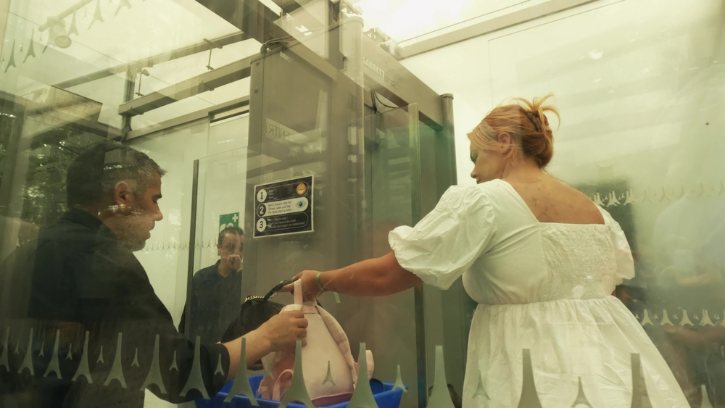
Bag rules are strict, and not the same everywhere. The wrong bag can force you out of the line, and most monuments will not store luggage.
a. The Catacombs
- Max bag size 40 x 30 x 20 cm. No cloakroom, since the exit is far away.
- Bags must be worn on the front, not the back. No suitcases, strollers, or tripods.
b. The Eiffel Tower
- Small daypacks only. No lockers or cloakroom.
- No rolling luggage, large backpacks, scooters, or glass bottles. Staff will not hold banned items.
c. The Arc de Triomphe
- Max bag size 40 x 40 x 20 cm. No storage. No tripods, selfie sticks, or glass.
d. Sainte-Chapelle
- Small bags only, no storage. Sharp items are confiscated and discarded, not returned.
e. Versailles
- Max bag size 55 x 35 x 20 cm. Cloakrooms exist inside Entrance A but fill up in summer.
f. The Louvre
- Max bag size 55 x 35 x 20 cm. Self-service lockers in the Hall Napoléon.
g. The Musée d’Orsay
- The free self-service cloakroom takes cabin-size suitcases up to 56 x 45 x 25 cm, plus large backpacks and umbrellas. Bigger items are not accepted, so store them off-site.
- Prams, large strollers, and metal-frame baby carriers are not allowed inside. The reception renovation can affect cloakroom access, so check before you go.
h. Notre-Dame
- Small personal bags only. No storage on the forecourt.
Time-saving tip. Avoid sightseeing with luggage, especially on hotel-change days. Use your hotel or a verified storage service near the big stations (Gare du Nord, Gare de Lyon, Gare Montparnasse). If security refuses an item, do not expect the attraction to hold it.
10. Check Transport Again on the Day and Leave Real Buffers Between Timed Attractions
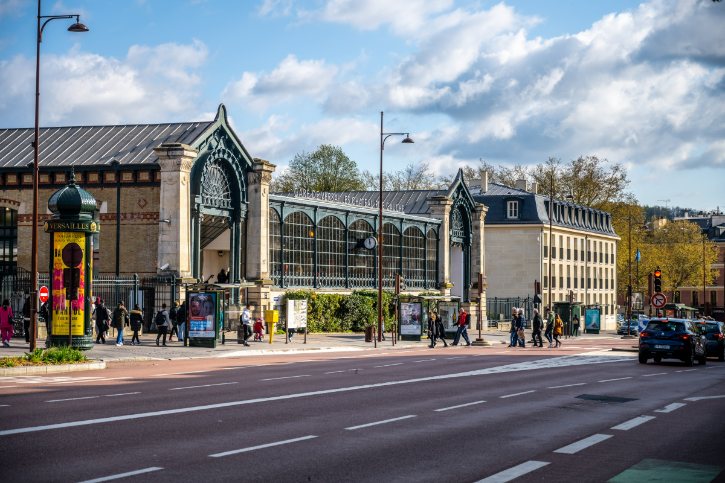
You can book every ticket perfectly and still miss a slot because of a rail closure. A route planned weeks ago may not be right on the day.
Plan a realistic transfer like this: time to exit + walk to the station + rail time (schedule x 1.3) + walk to the door + security + a safety buffer.
a. Versailles
- Versailles Château Rive Gauche (RER C): 10-minute walk, but subject to weekend track works.
- Versailles Chantiers (Line N from Montparnasse): 18-minute walk, reliable backup.
- Versailles Rive Droite (Line L from Saint-Lazare): 17-minute walk, another solid option.
b. The Eiffel Tower
- Champ de Mars–Tour Eiffel (RER C): about 8 minutes.
- Bir-Hakeim (Line 6): about 8 to 10 minutes.
- Trocadéro (Lines 6 and 9): about 15 minutes, with a lovely first view.
c. The Catacombs
- The exit is 700 meters from the entrance. Use Mouton-Duvernet (Line 4) or Saint-Jacques (Line 6) instead of walking back.
Time-saving tip. Check transport three times: the evening before, before you leave the hotel, and before you leave one attraction for the next. Use the Île-de-France Mobilités and RATP apps.
A good Paris plan is not about squeezing in the most stops. It leaves room for real lines, security, walking, and small delays. Fewer stops, done calmly, almost always beats a packed day that falls apart by lunch.
One Last Reminder
A few time-sensitive items are worth double-checking before you go:
- The Musée d’Orsay renovation and its reservation rules run through 2028.
- The Centre Pompidou Beaubourg building is closed through 2030.
- Versailles RER C service faces regular weekend works, so confirm your route on the day.
- Eiffel Tower hours change by season.
- The Arc de Triomphe has date-specific closings around ceremonies and holidays.
Rules and hours in Paris change often. Use this as your checklist, then reconfirm the key details on the official sites shortly before your visit. Do that, and you will spend your days seeing Paris, not standing in lines.