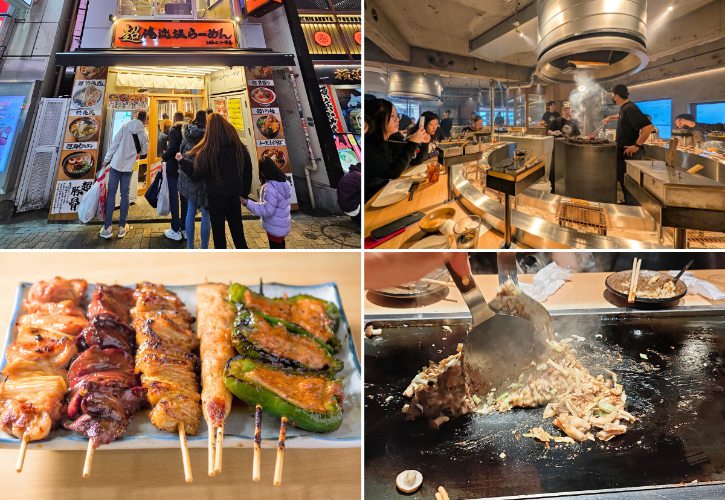
Tokyo has a reputation for being expensive, yet some of its most delicious meals cost less than a museum ticket. You just have to know where to look.
From crispy tempura bowls to grilled eel, hands-on griddle cooking, and silky chicken broth, these 17 spots prove that eating well here is easy on your wallet.
Feeling hungry? Every one of them is waiting for you below. 😊
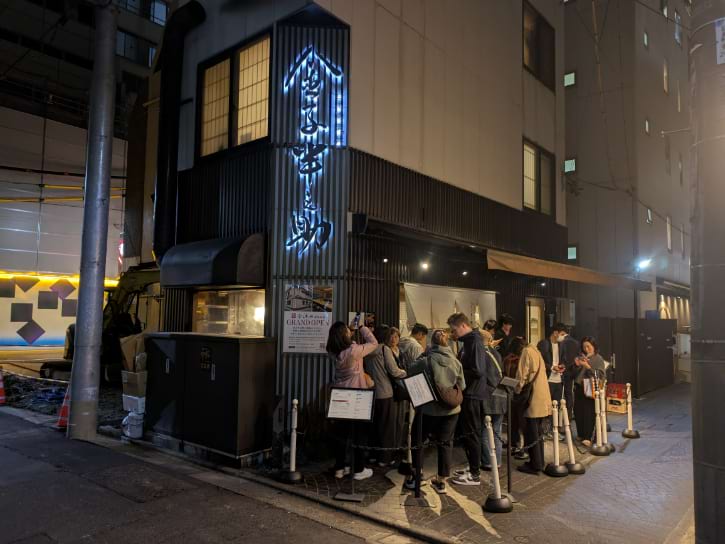
1. Nihonbashi Tendon Kaneko Hannosuke (Near Tokyo Station)
a. One bowl, done perfectly
This shop builds its entire kitchen around a single dish, the Edomae Tendon. Instead of a long menu, the cooks focus on nonstop, high-heat sesame oil frying, and every piece shows it. It slots easily into a Tokyo Station and Nihonbashi sightseeing morning.
b. What lands in your bowl
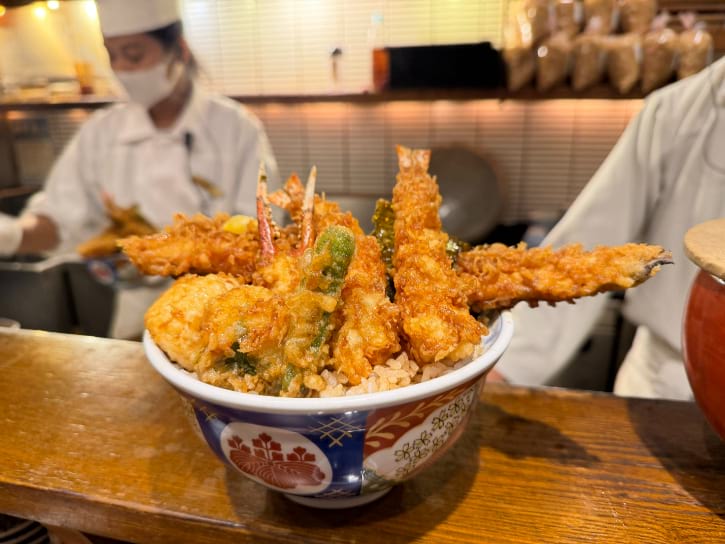
- A whole wild-caught anago (conger eel) so long it hangs over the rim, crisp outside and soft and flaky within
- Two large prawns with a firm, snappy bite
- A kakiage patty of diced squid and bay scallops for chew and natural sweetness
- A shishito pepper, a crisp sheet of nori, and a soft-boiled egg fried in light batter
c. The fun part
Break that egg over the rice halfway through your meal. The warm yolk melts into the sweet-savory tare and leftover sesame oil, turning the whole bowl richer with every bite.
Free pickled daikon with ginger and a house black shichimi sit on the table, adding acidity and a gentle peppery heat that balance all that fried richness. The famous bowl runs about ¥1,200 to ¥1,500, which is remarkable value for tempura this good.
2. Rokurinsha (Tokyo Station)
a. A station meal worth seeking out
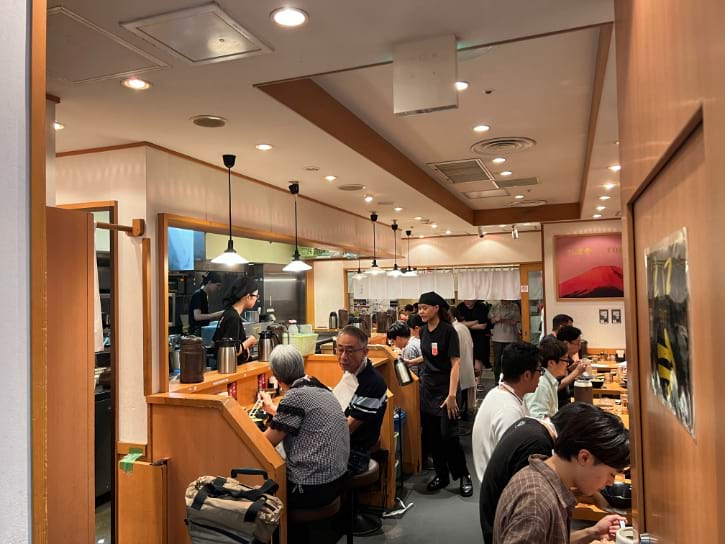
Tucked inside Tokyo Ramen Street in the station basement, Rokurinsha lets you eat a respected bowl without leaving the complex. It is ideal before a train, or between the Marunouchi area and the Imperial Palace grounds.
b. Tsukemen, explained simply
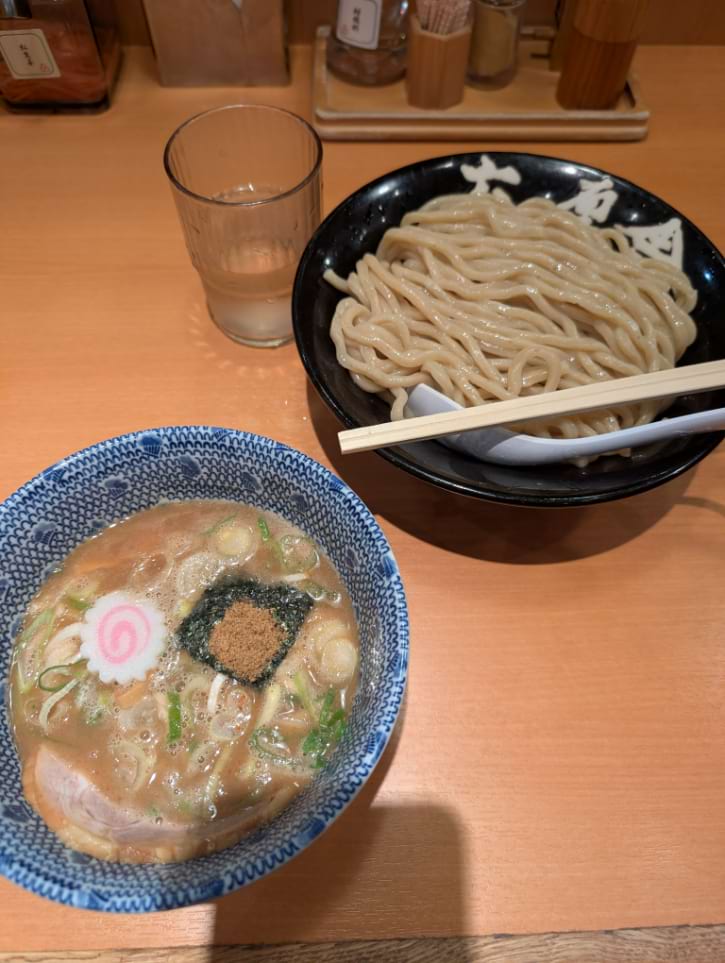
The specialty is tsukemen, or dipping noodles. Thick, chilled noodles arrive on their own plate beside a small bowl of very concentrated, piping-hot soup. You dip a few noodles at a time, so each bite stays intense. The broth is simmered for over 13 hours from pork bones, chicken, and dried fish, giving it a thick, deeply savory body.
c. What to order
- Tokusei Tsukemen: the loaded bowl, with extra chashu, a seasoned egg, nori, bamboo shoots, and a mound of fish powder that keeps deepening the flavor as you eat
- Standard Tsukemen: the classic benchmark, rich and straightforward
- Kara Tsukemen: adds a chili-shrimp paste for layered heat
- Asa Tsukemen: a lighter, lower-fat bowl served only in the early morning
d. End it right
Once the noodles are gone, ask for soup-wari. The staff pour hot, yuzu-scented dashi into your leftover sauce, turning it into a light, drinkable broth to finish the meal on a fresh note. Plan on roughly ¥900 to ¥1,450 depending on the size and toppings you choose.
3. Tonkatsu Yamabe (Ueno / Ameyoko)
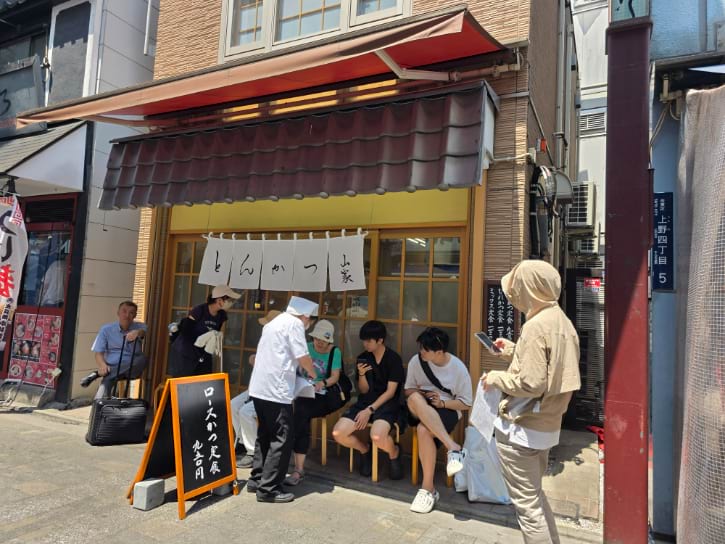
a. Great-value cutlets by the market
Just steps from the buzzing Ameyoko market, this is your no-fuss stop for a crisp, satisfying breaded pork cutlet. It fits perfectly into a day around Okachimachi, Ameyoko, and Ueno Park.
b. The sets worth trying
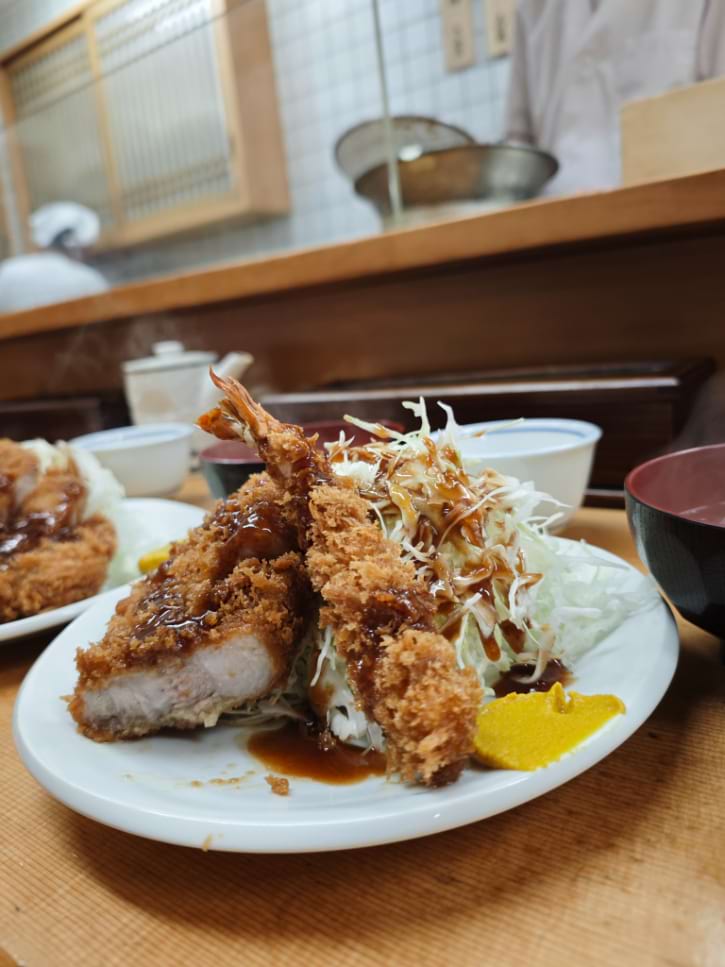
- Rosu-katsu: a loin cut with a ribbon of fat that melts as it fries, wrapped in coarse golden panko
- Hire-katsu: lean tenderloin, lighter and milder on the palate
- Dai-Rosu-katsu: an upgraded loin over 200 grams for a serious appetite
- Mix Fry: smaller cutlets paired with seafood like horse mackerel or plump prawns
c. More than the cutlet
Every set arrives with finely shredded cabbage, steamed rice, pickled daikon, and a dark red miso soup with shijimi clams that adds a briny lift against the fried pork.
It is simple, filling, and honest food, and the kind of lunch that keeps you going through an afternoon of sightseeing. Most sets land around ¥800 to ¥1,300 per person.
4. Nadai Unatoto (Ueno)
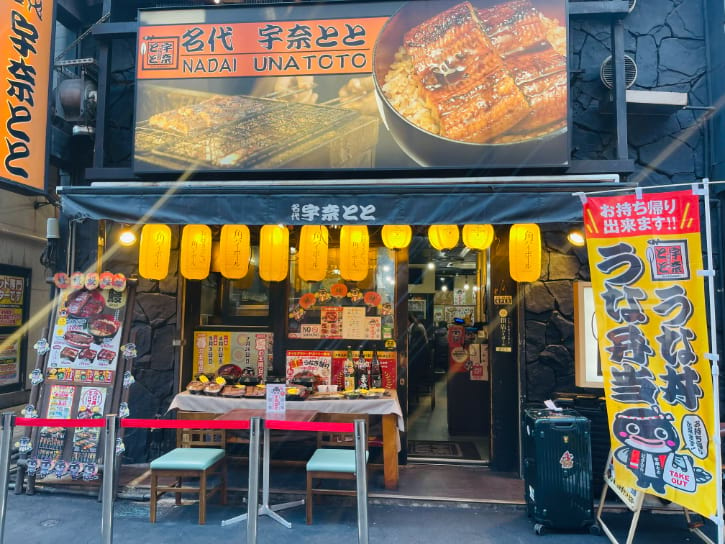
a. Grilled eel without the big bill
Unagi usually means a formal, pricey meal. This casual spot near Ueno Station changes that, serving thick, glazed eel at everyday prices. It is a great way to try a dish many travelers assume is far out of reach.
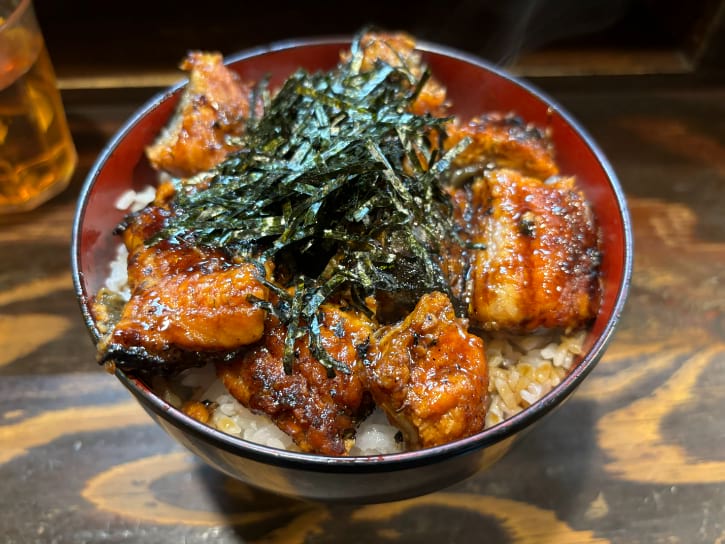
b. The eel bowls to know
- Unadon: a single cut over rice, ideal for a quick lunch
- Unadon Double: the most praised, two thick fillets that hide the rice, balancing caramelized fat, soft skin, and sweet tare
- Unajyu: served in a traditional lacquer box, with broader cuts and a little more rice
- Hitsumabushi: sliced eel eaten in three stages, plain, with aromatics, then with hot dashi poured over
c. Why it works
The sweet soy glaze and careful grilling do the heavy lifting, and the prices stay friendly right across the menu. You get the flavor and ceremony of unagi without the sticker shock, which makes it one of Ueno’s smartest budget picks. Depending on the bowl you choose, expect to spend anywhere from about ¥600 to ¥2,000.
5. Uobei (Shibuya)
a. The friendliest sushi for first-timers
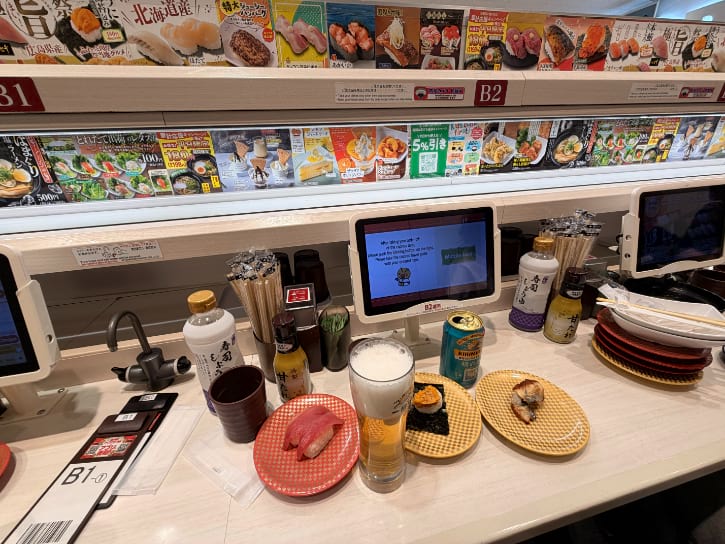
If a traditional sushi counter feels intimidating, start here. Uobei is a fun, modern take on conveyor sushi, only a few minutes from the Scramble Crossing, and it takes all the pressure out of ordering.
b. How it works
Instead of plates circling a shared belt, your order speeds over on a high-speed mini train straight to your seat. Everything is made to order, so the fish stays cool and the nori stays crisp.
You order from a touchscreen tablet in English, Mandarin, Korean, or Japanese, take your food from the numbered slot, then press a button to send the little cart back to the kitchen. A satisfying meal usually comes to around ¥1,200 to ¥2,000 per person.
c. What to order
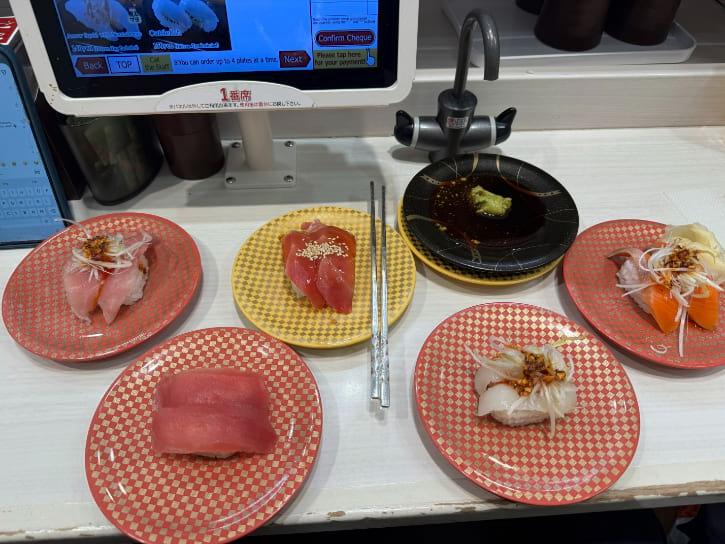
- Aburi Salmon with Black Pepper and Mayo: blowtorched so the salmon fat turns savory
- Minami Maguro: firm, clean red tuna at entry pricing
- Aburi Cheese Shrimp: a rich, fun bite of melted cheese and sweet tare
- Chawanmushi and Shrimp Tempura Rolls: hot sides that arrive properly hot thanks to the express rail
Read More: 17 Top Things to Do in Shibuya with My Ideal Itinerary
6. Oreryu Shio Ramen (Shibuya)
a. A lighter bowl in a heavy-ramen city
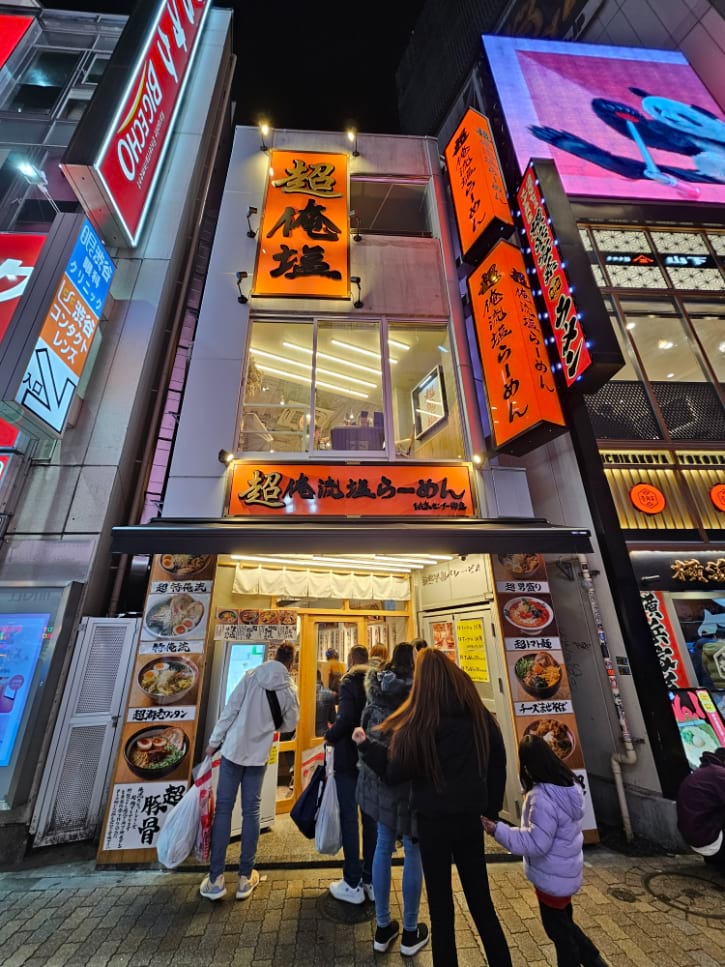
Tokyo ramen often leans rich and fatty. This shop goes the other way with shio (salt) ramen, built on a clean broth of chicken, dashi, and kombu. It also runs very late, which makes it a reliable stop after a night out near Hachiko.
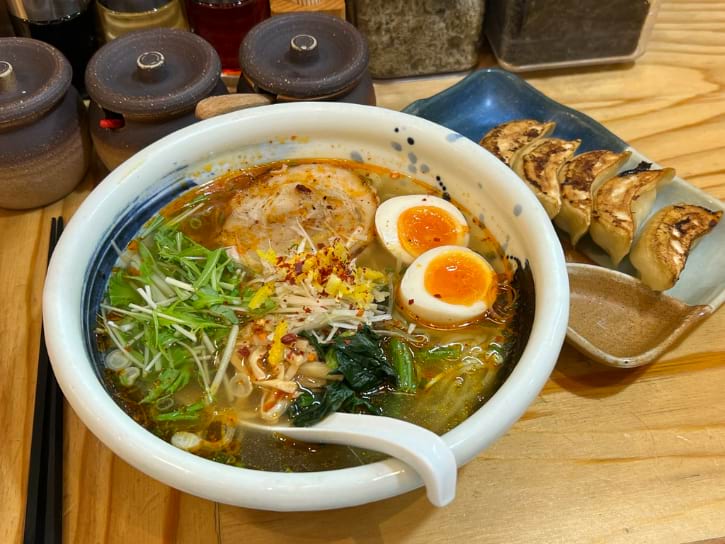
b. The bowls to try
- Ore-ryu Shio Ramen: the classic, a pale, almost clear soup with clean saltiness, gentle yuzu, tender chashu, and springy noodles
- Jukusei Shio Ramen: a creamy, milk-colored version that stays velvety, never greasy
- Karajuku Ramen: the creamy broth with roasted chili oil for a balanced kick
- Tokusei Yuzu Men: extra yuzu for a bright, aromatic bowl
c. Make it your own
The best touch is the free topping bar. Six self-serve add-ons include rock seaweed, shredded kelp, yuzu chili paste, crushed garlic, chili oil, and spicy bean sprouts. A common move is to enjoy the bowl plain first, then stir in seaweed and kelp halfway through for a thicker, savory second half. Expect to spend around ¥850 to ¥1,300 per person.
7. Toritake (Shibuya)
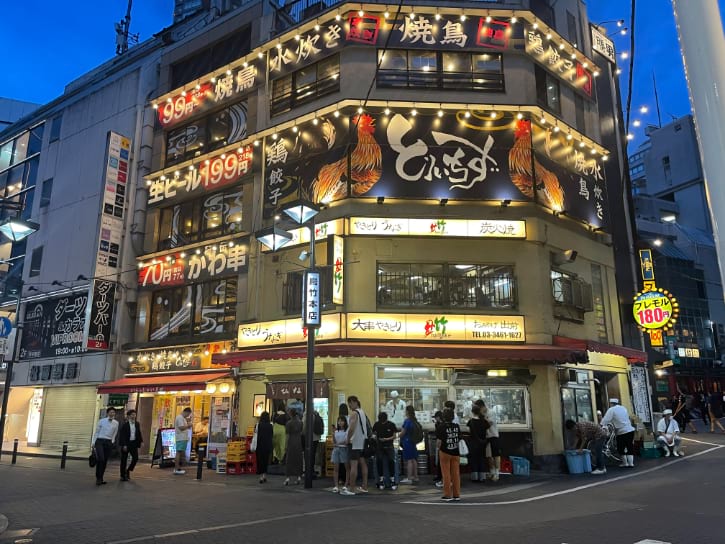
a. Shibuya’s classic yakitori hall
For a change from ramen and sushi, this is Shibuya’s go-to for yakitori, grilled chicken skewers. Around since 1963, it is known for unusually generous skewers and a dark, long-simmered tare sauce.
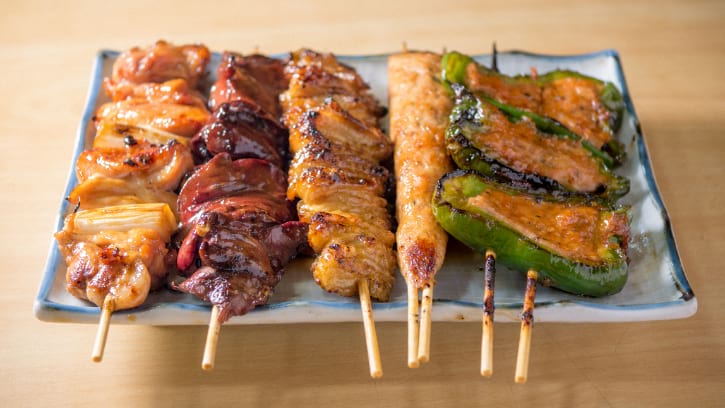
b. What to order
- Yakitori Don: a rice bowl piled with big charcoal skewers and rich tare, one of Shibuya’s famous budget lunches
- Tsukune: an oversized meatball skewer, charred outside and juicy inside
- Negima: broad thigh chunks with sweet, charred leek
- Torikawa and Lever: chicken skin and liver, cooked to order in tare or salt
c. A quick word on cost
A lunch bowl is genuinely cheap, but an evening of skewers, sides, and drinks adds up fast. Because skewers are priced one by one, your final bill depends entirely on how many you order, so it helps to pace yourself if you are watching your budget.
In practice, expect to spend around ¥1,000 to ¥1,400 at lunch, and closer to ¥2,500 to ¥4,000 per person for a full evening with drinks.
8. Hikiniku to Kome (Shibuya)
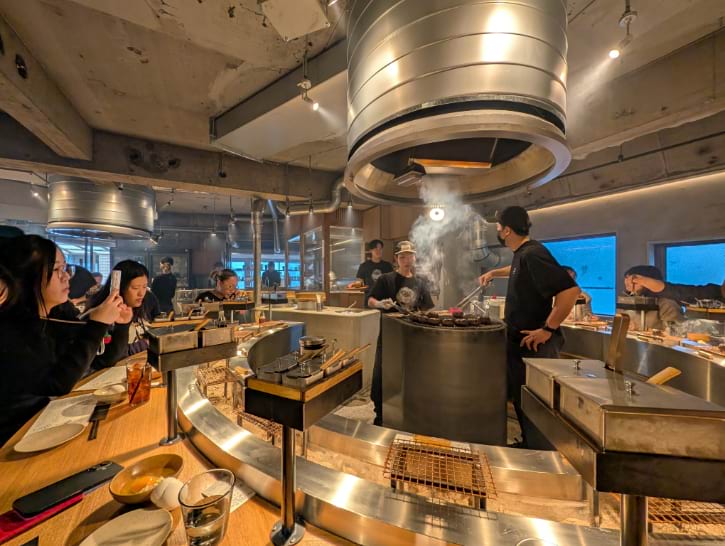
a. One set, done with real care
This place does exactly one thing: freshly ground, charcoal-grilled hamburg steak with rice. The single set gives you three patties, each 90 grams, ground in-house every morning and grilled right in front of you, plus unlimited rice, miso soup, a raw egg, and a full condiment tray.
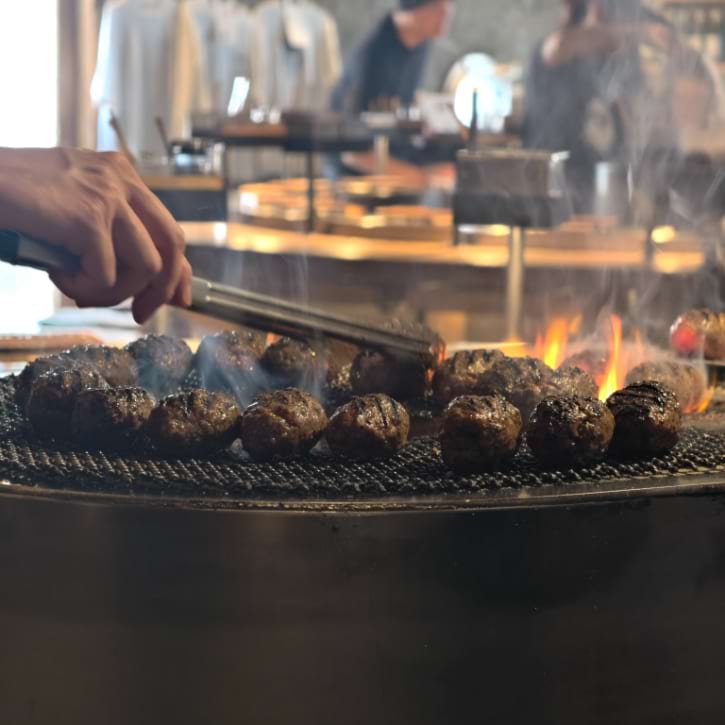
b. Three patties, three ways
- First: eaten plain over hot rice, so you taste the crust and pure beef juices
- Second: with grated daikon and ponzu, or table seasonings like green chili salt and smoked garlic oil
- Third: pressed into the rice and topped with raw egg yolk for a rich egg-over-rice finish
c. Why people rave
Diners keep praising the juicy minced beef, the charcoal flavor, and the freshly cooked rice from the cast-iron pots. It is simple food treated seriously, and the little three-stage ritual is what turns a quick meal into something you remember. Expect to spend around ¥1,800 to ¥2,400 per person.
9. Gyukatsu Motomura (Shinjuku)
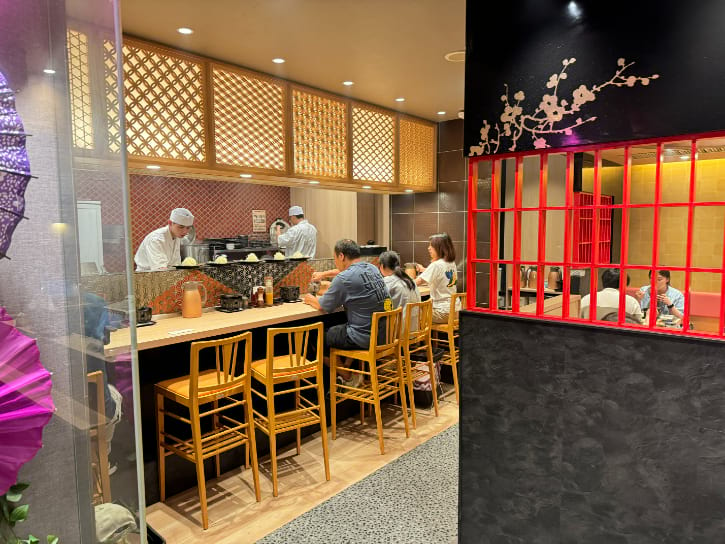
a. Cook your own beef cutlet
One of Shinjuku’s most fun meals. The specialty is gyukatsu, a breaded beef cutlet flash-fried for about 60 seconds, so the panko crust turns crisp while the center stays rare.
b. The hands-on part
Each seat comes with a small heated stone. You sear your own slices for a few seconds per side, cooking each piece exactly to the doneness you like.
The beef arrives looking underdone on purpose, so use the hot stone to bring it to a warm, safe temperature, which also releases its aroma and juices. Depending on the set you choose, expect to spend around ¥1,930 to ¥3,100 per person.
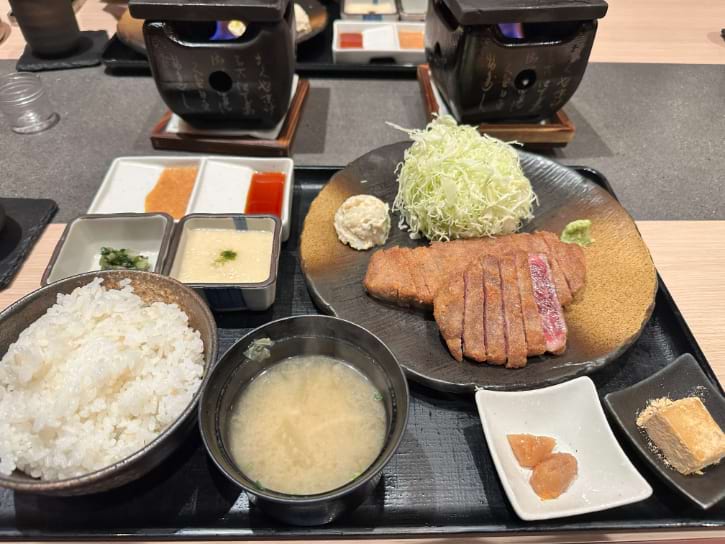
c. Portions and flavors
- Standard Set: a 130-gram cutlet with barley rice, grated yam, cabbage, pickles, and red miso soup
- 5 and Double Sets: larger portions for bigger appetites
- Side Flavor Suite: special soy, grated onion sauce, Himalayan pink salt, and fresh wasabi to change up each bite
Read More: 17 Best Things to Do in Shinjuku with My Perfect Itinerary
10. Sushiro (Shinjuku)
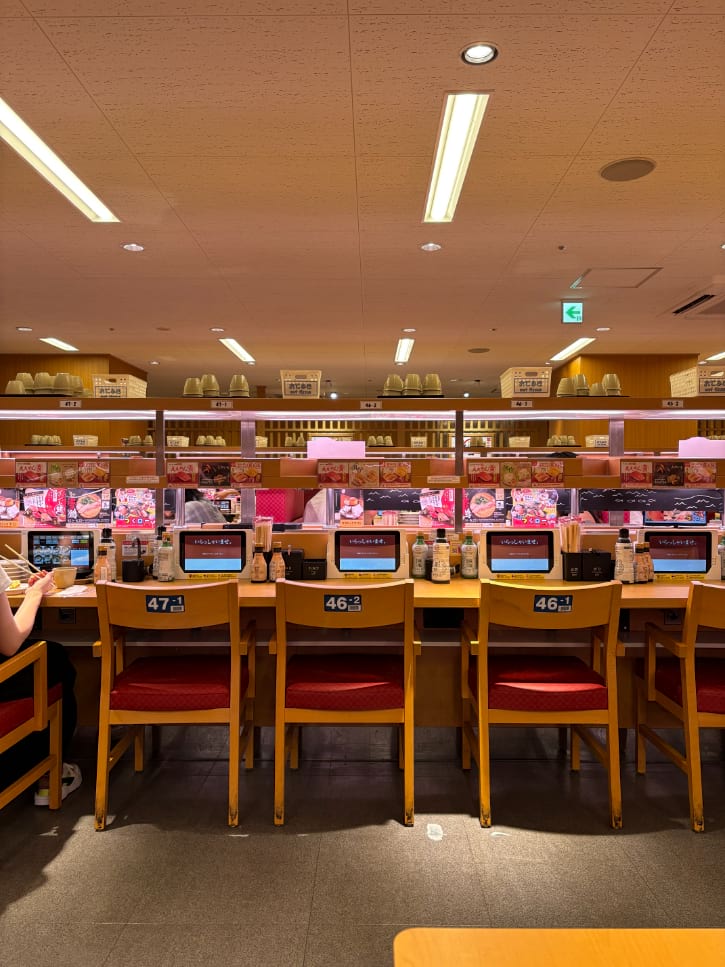
a. A broad sushi spread, central and easy
When you want variety without the cost or commitment of a formal course, this central Shinjuku branch delivers. It uses automated lane delivery and multilingual touchscreen ordering, so it is welcoming even if you are new to sushi.
b. What to order
- Maguro: the volume leader, two firm pieces of red tuna
- Salmon with Onion and Japanese Mayo: fatty salmon topped with sweet white onion
- Aburi Shimesaba: cured mackerel torched to release its oils, balanced by pickled tang
- Prawn Tempura Nigiri and Chawanmushi: hot shrimp tempura and a savory egg custard
c. A handy traveler feature
The table tablet shows in real time what is sold out and which daily specials are running. That small detail saves you from ordering something the kitchen has already run out of, which is a real help during a busy Shinjuku lunch rush. Expect to spend around ¥1,500 to ¥2,500 per person.
11. Ramen Hayashida (Shinjuku)
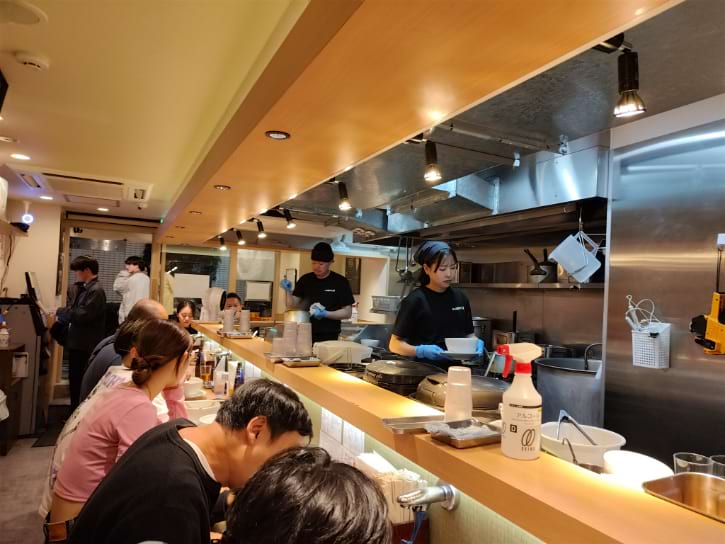
a. Clean and elegant, not heavy
If pork-bone ramen feels too rich, come here for the opposite. Hayashida serves chuka-soba, a clear soy sauce ramen with a bright, poultry-forward soup made from duck and premium Tottori chicken. Expect an amber clarity and a fragrant chicken-oil finish.
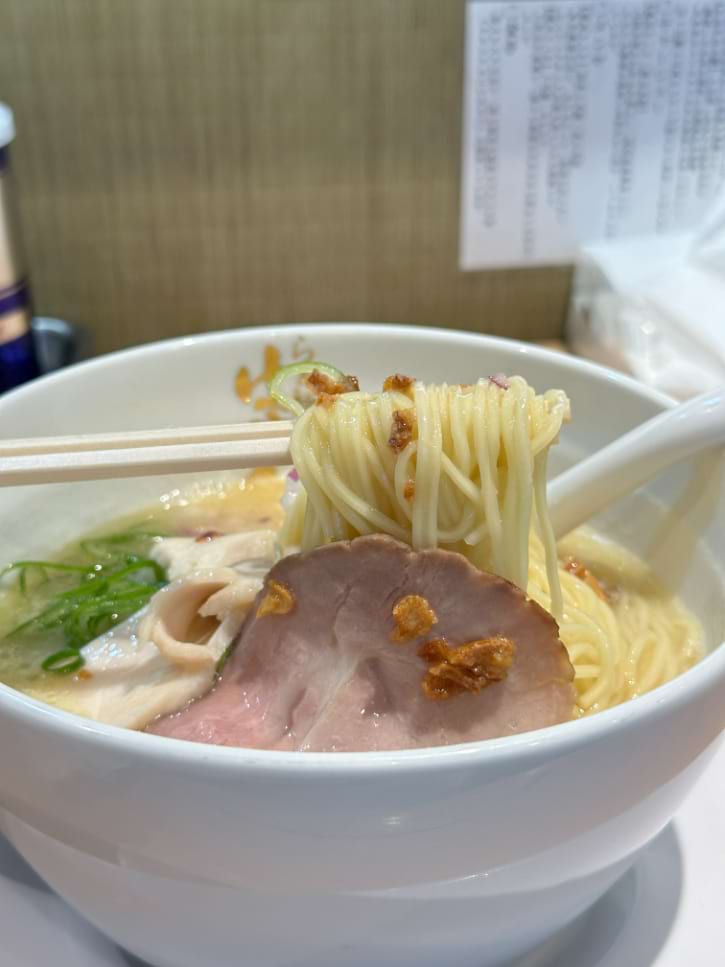
b. The bowls that lead the menu
- Tokusei Shoyu Ramen: thin noodles with two kinds of chashu, bamboo shoots, and a soft egg with a deep orange yolk
- Tokusei Nodoguro Soba: a limited daily bowl using high-grade blackthroat seaperch for a richer seafood note
- Tsukemen: cold whole-wheat noodles with a concentrated duck-and-chicken dipping broth
- Tori Chazuke Set: rice with chicken chashu, made to soak up your leftover ramen broth
c. Good to remember
The soup here can sell out before closing, so it pays to go a little earlier when you can. That clean, chicken-forward broth is worth planning your day around. Expect to spend around ¥850 to ¥1,300 per person.
12. Kyushu Jangara (Akihabara)
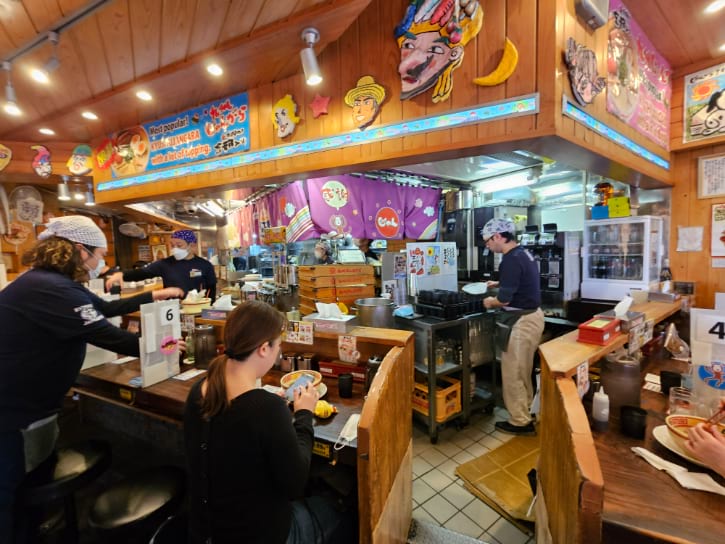
a. One shop, four tonkotsu styles
Serving Kyushu-style tonkotsu since 1984, this Akihabara favorite is a great place to learn that pork-bone ramen comes in very different forms. You simply pick the density and flavor you want.
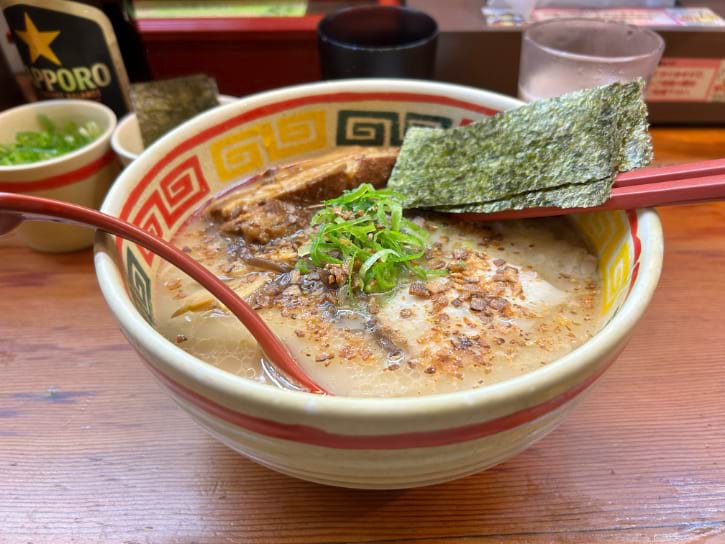
b. Choose your broth
- Kyushu Jangara: a lighter Tokyo-style pork broth with chicken and vegetable stock, smooth and mild
- Bonshan: a 100 percent pork-bone broth, thick, creamy, and rich
- Kobonshan: the rich base plus black garlic oil and fried garlic for an earthy, roasted aroma
- Vegan and Shoyu options: plant-based bowls made with vegetable extract and soy milk, a genuine help for dietary needs
c. Go all-in
Many diners upgrade to the Zenbunose (All Toppings), which adds braised pork belly, a soft egg, wood-ear mushrooms, bamboo shoots, and spicy cod roe that melts into the broth. If you arrive hungry, the extra toppings feel well worth the small jump in price. Expect to spend around ¥790 to ¥1,500 per person, depending on how loaded your bowl is.
13. AFURI (Harajuku)
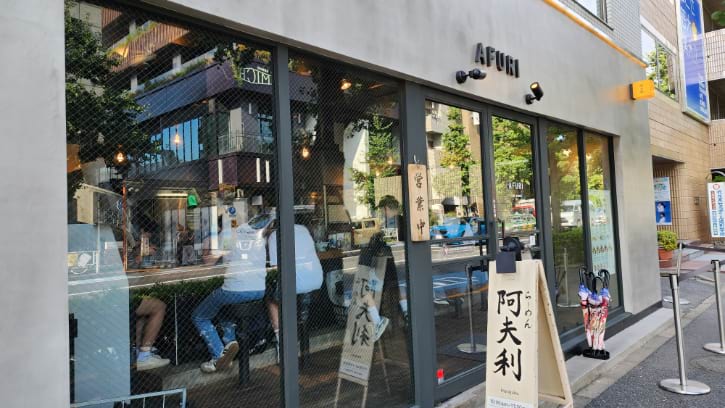
a. Light, citrus-forward ramen near Takeshita Street
AFURI is the perfect lighter stop around Harajuku, close to Yoyogi Park and Meiji Jingu. The broth uses natural spring water from Mount Afuri, brewed with chicken, dashi, and kombu, then finished with fresh yuzu citrus. It tastes delicate rather than heavy.
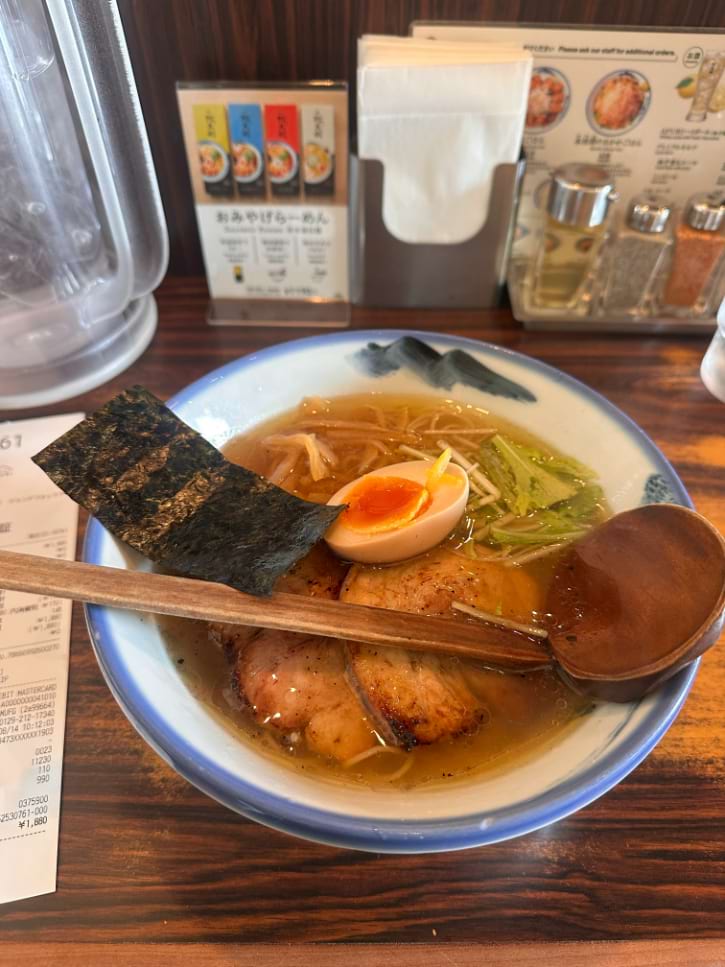
b. The bowls to try
- Yuzu Shio Ramen: the signature, light salt meeting bright yuzu, with grilled chashu, greens, and nori
- Yuzu Shoyu Ramen: a barrel-aged soy base for deeper, malty notes
- Yuzu Ratan Ramen: red chili oil and habanero powder for real heat
- Yuzu Tsukemen: thick, chilled noodles with a citrus-dashi dip
You also choose your chicken oil level when ordering: Tanrei for a balanced broth, or Maroaji for something richer.
c. Honest value
AFURI is not the cheapest ramen around, and that is not really the point. Its appeal is the distinctive citrus flavor, the quality, and an unbeatable location for Harajuku sightseeing. Expect to spend around ¥1,180 to ¥1,580 per person.
14. Ginza Kagari (Ginza)
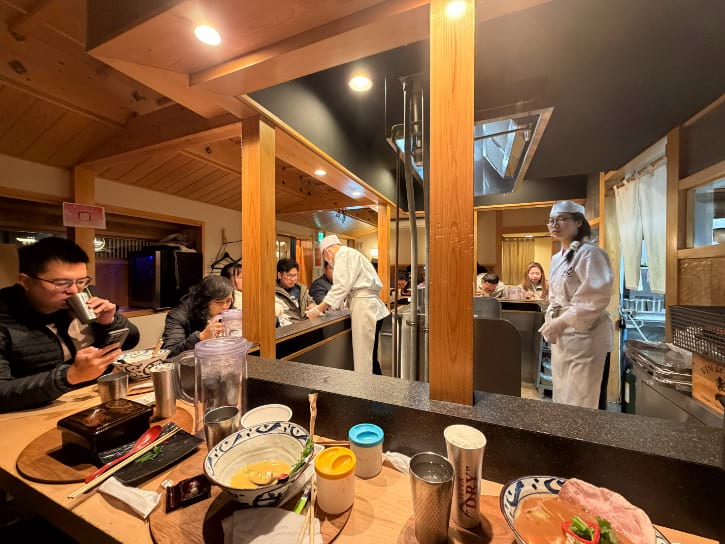
a. Refined ramen, still approachable
Kagari gives you an elegant bowl in Ginza without the high-end price. Tucked into a quiet alley, it fits neatly into a shopping afternoon.
b. The famous chicken velouté
The star is Tori Paitan, a rich white chicken broth so smooth it recalls a French poultry soup. Chicken carcasses and bone marrow simmer for hours into an opaque, creamy, golden bowl, topped with tender sous-vide chicken breast and seasonal vegetables.
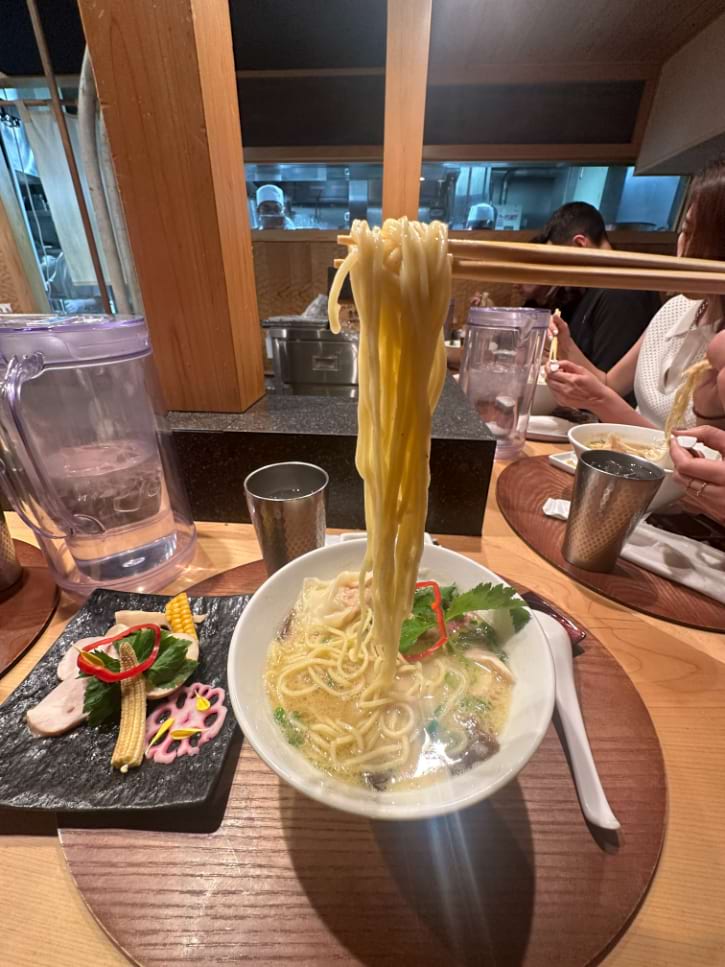
c. More to explore
- Tori Paitan with Truffle: the signature broth with black truffle oil and mushroom
- Niboshi Shoyu and Clam & Seafood Soba: clear, lighter alternatives
- Tori Paitan Tsukemen: cold noodles with an extra-concentrated chicken dip
Small sides of grated ginger, fried garlic, and rice vinegar let you brighten the rich soup midway through the meal. Expect to spend around ¥1,300 to ¥2,200 per person, which stays gentle for Ginza.
Read More: Top 17 Things to Do in Ginza
15. Asakusa Monja Zenya (Asakusa)
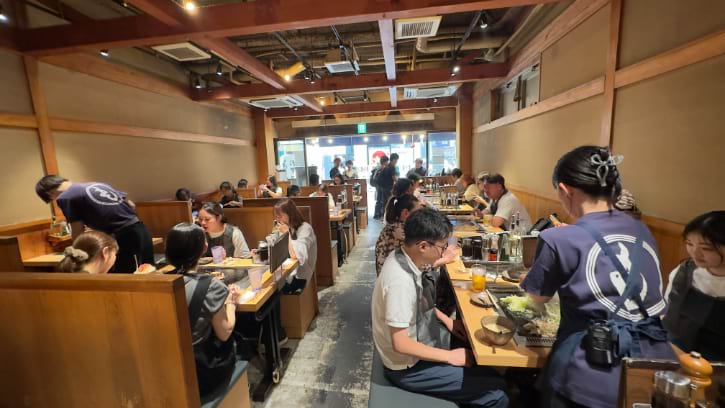
a. A welcoming intro to monjayaki
Just steps from Senso-ji, this is a great place to try monjayaki. Cooked on a hot tabletop griddle, monja has far more dashi in its batter than okonomiyaki, so it stays loose and semi-liquid, and you scrape up the crispy, caramelized bottom with little metal spatulas.
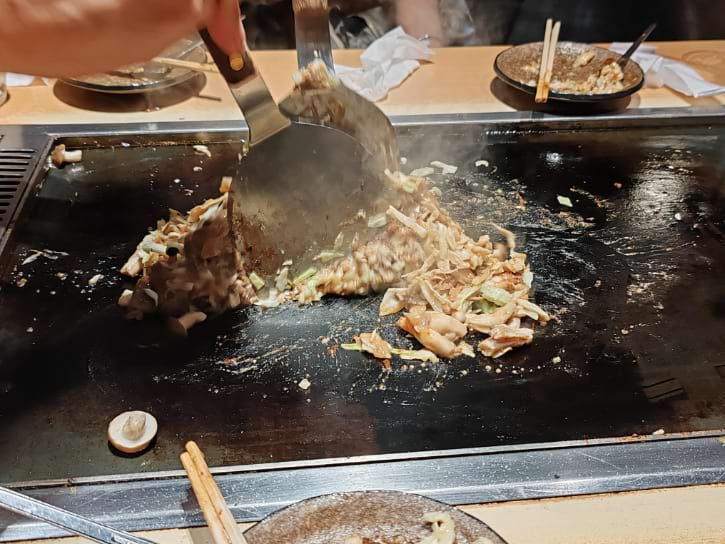
b. What to order
- Mentaiko Mochi Cheese Monja: the most ordered, with spicy roe, chewy mochi, and melting mozzarella
- Seafood Special Monja: loaded with shrimp, squid, octopus, and baby scallops
- Pork & Kimchi Monja: balancing gentle heat and tang
- Truffle Butter and Mixed Okonomiyaki: a firmer pancake option for a different texture
c. They cook for you
Good news for beginners. Ask, and the staff will cook your monja tableside. They shred the cabbage, build a ring on the griddle, pour the seasoned dashi into the center to bubble, then mix everything into a thin, sizzling layer while you watch and learn. Expect to spend around ¥1,500 to ¥2,500 at lunch and ¥2,000 to ¥3,500 per person at dinner with sides and drinks.
Read More: 17 Wonderful Things to Do in Asakusa for First-Timers
16. Tsukishima Monja Okoge (Asakusa)
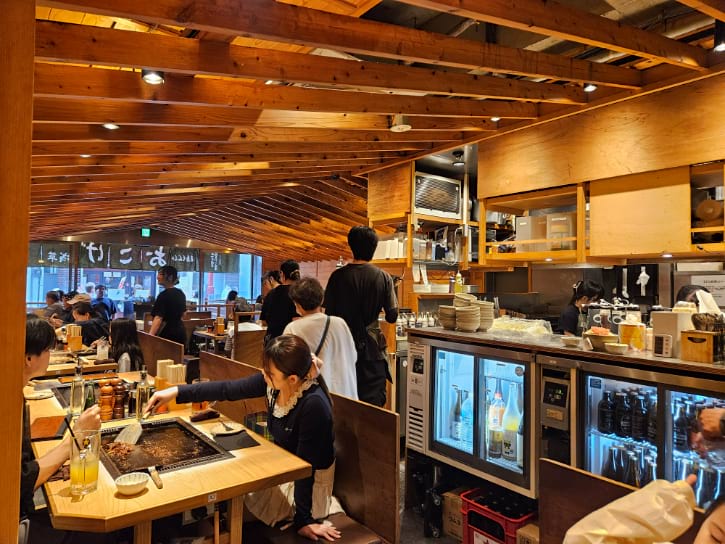
a. Serious seafood monja near Kaminarimon
This is the Asakusa branch of Okoge, linked to a Tsukishima seafood group, which is exactly why the seafood here is so good. Where Zenya keeps things classic, Okoge leans into concentrated stocks and a wider teppan menu, making it a great second stop to compare styles.
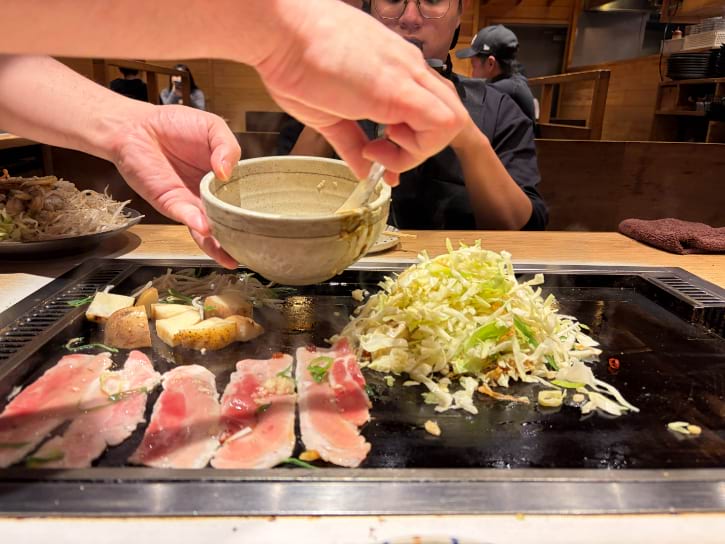
b. What to order
- Okoge Special Monja: packed with wild prawns, squid, baby scallops, and pork
- Squid Ink & Cream Cheese Monja: a striking black monja with a rich, risotto-like depth
- Pork Modern-yaki: a firm okonomiyaki layered with yakisoba noodles and a fried egg
- Teppan Garlic Butter Squid & Scallops: a seafood appetizer cooked right on the plate
c. Full tableside help
Staff cook for you and show you how to build the crispy bottom crust, the okoge, that gives the shop its name. That guidance makes the whole thing easy, even if you have never touched a griddle before. Expect to spend around ¥1,500 to ¥3,000 per person, especially if you order more than one griddle item.
Read More: 17 Best Street Food Spots in Asakusa
17. Sometaro (Asakusa)
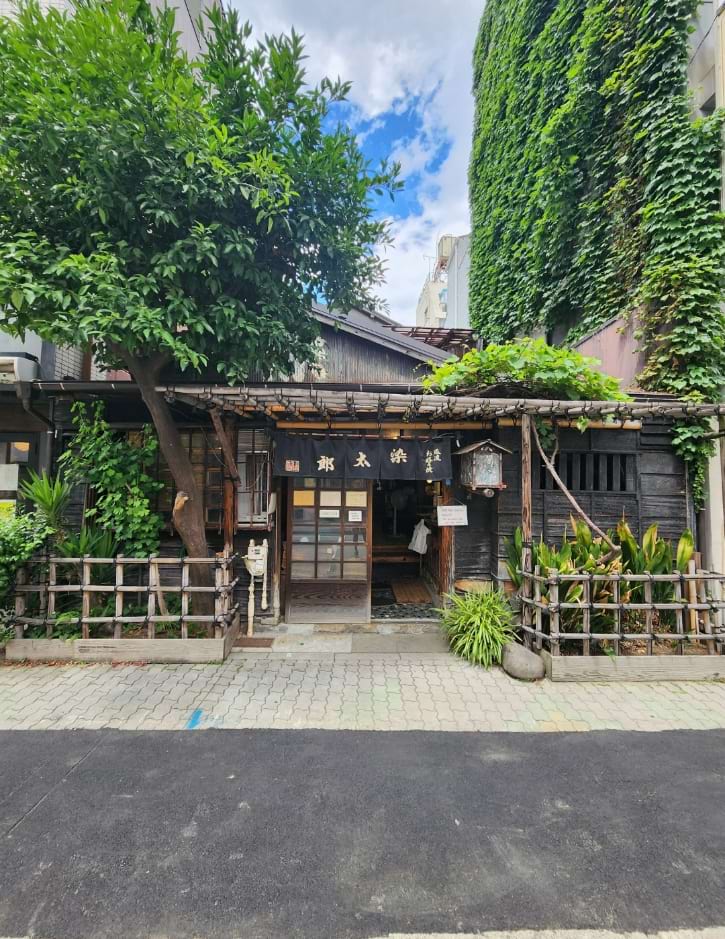
a. A true step back in time
Save this one for last. Sometaro has run since 1937 inside a rustic wooden building that once welcomed famous writers and artists. After the modern, staff-cooked monja shops, walking in here feels like stepping into another era.
b. You cook your own
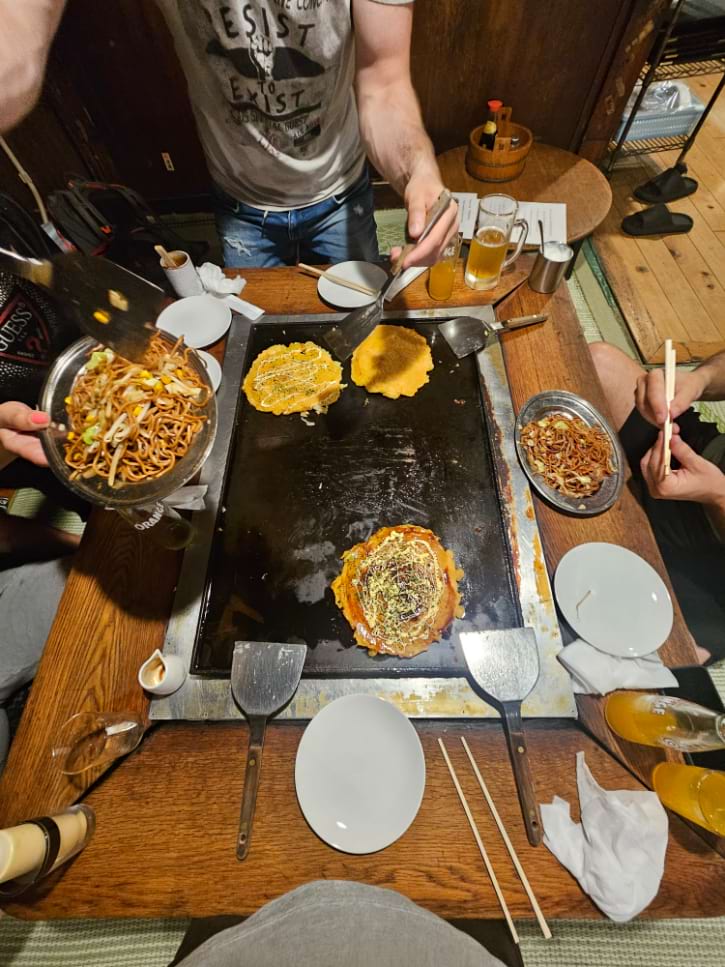
Here you grill your own food on a seasoned cast-iron tabletop, guided by illustrated multi-language picture menus. It is hands-on and unhurried, as much about the atmosphere as the food itself, and that slower pace is part of the charm.
c. What to order
- Osome-yaki: the signature okonomiyaki with pork, beef, squid, and cabbage
- Shumai-yaki: a house creation, seasoned pork and sweet onion between mochi sheets, grilled into a chewy pancake
- Yakisoba and Ten-musubi Yaki: griddled noodles and seasoned rice cakes
- Anko-maki: a sweet red bean dessert rolled in a thin, griddled crepe
d. Worth knowing
The seating is traditional floor-style tatami, with shoes off at the door, so keep that in mind if sitting low is difficult for you. The real value here is the whole experience: a near-century-old room and a meal you cook with your own hands. Expect to spend around ¥1,000 to ¥2,200 per person, excellent value for something so one of a kind.
Seventeen meals, one simple idea: eat where you already are, and eat well for less. Line these up with your sightseeing, arrive a little hungry, and Tokyo will treat you far better than its pricey reputation suggests. Pick a spot, follow your appetite, and enjoy every single bite.