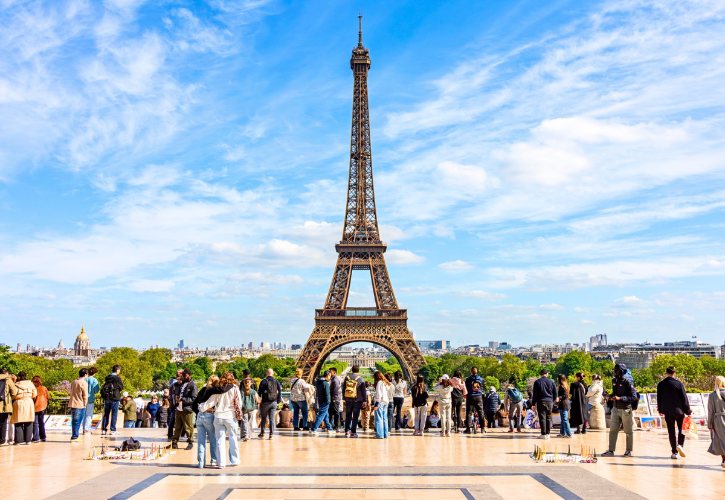
Paris has a reputation for being expensive, but most of that cost comes from avoidable mistakes, not the city itself.
The truth is that Paris can be one of the best-value capitals in Europe once you know where tourists tend to overspend.
A few small decisions, made before you arrive and during your trip, are the difference between a draining budget and a comfortable one.
Here are the ten mistakes to watch out for, and exactly how to avoid each one. 😊
1. Booking Accommodation in the Wrong Area
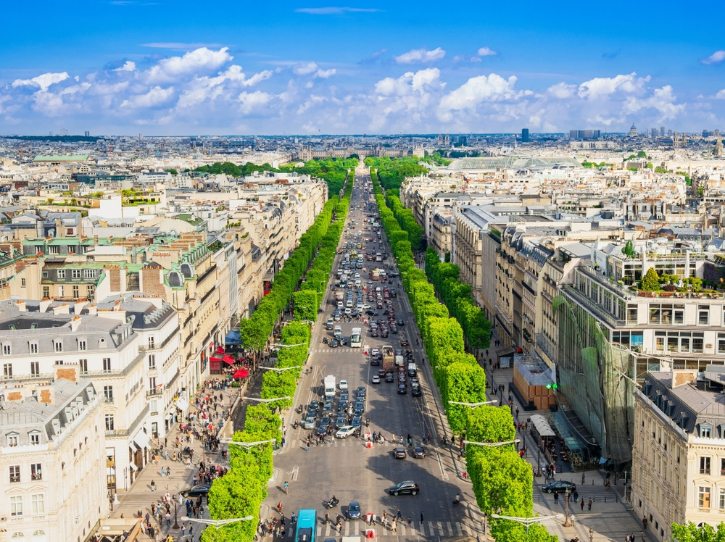
The fastest way to overpay in Paris is to book a hotel in the most central arrondissements. You pay extra for the address, not for a better room.
Where prices spike
- The 1st to 8th arrondissements are the most overpriced
- Hotels here sit close to the Louvre, the Champs-Élysées, and the Eiffel Tower
- The premium is for location, not quality
Best-value neighborhoods
- Belleville (19th and 20th): Multicultural, artistic, with great free viewpoints
- Montmartre (18th): Affordable boutique hotels on the lower and eastern slopes
- Opéra and République (9th, 10th, 11th): Major transit hubs with quick metro access citywide
The snail spiral
- Paris is laid out as a clockwise spiral, called the escargot
- The 1st sits at the center, and numbers spiral outward to the 20th
- Higher numbers usually mean lower hotel prices and a more local feel
Judge by the metro map, not the street map
- A hotel in the 11th on Line 1 or 9 can reach Notre-Dame faster than one in the 7th that needs two transfers
- Always check metro line access before booking
Watch the marketing language
- Phrases like “near the Louvre” or “steps from the Eiffel Tower” often mean a kilometer or more away
- Always confirm the exact address on Google Maps
2. Visiting During the Most Expensive Dates Without Realizing It
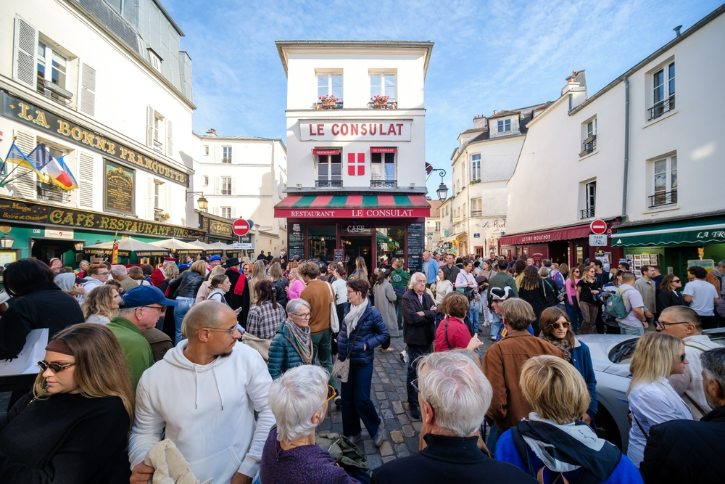
Your travel dates affect your budget more than almost anything else. Many tourists assume only July and August are pricey, but peak season actually starts in late spring and stretches well into September. Shifting your trip by a few weeks can save hundreds.
Peak season is wider than most tourists think
- The real peak runs from June through August, with crowds often stretching from late May to mid-September
- Hotel rates can sit 20 to 35% above shoulder-season prices during these months
- Many Parisian-owned restaurants close entirely in August for staff vacations
- July also brings extreme heat, and many older buildings have no air conditioning
Paris Fashion Week
Hotel rates in central Paris spike sharply during all four sessions:
- Menswear: January and June
- Haute Couture: January and July
- Womenswear: March and September to October
Other high-price periods
- Christmas and New Year, especially mid-December through January 2
- May public holiday cluster: May 1, May 8, and Ascension trigger heavy domestic travel
- Late September to early October: Womenswear Fashion Week stacks onto the back end of peak season
Best-value travel windows
- January and February: The cheapest months overall, with hotel rates at their lowest and shorter museum queues.
- Early April: After winter, before school holidays and the May surge
- Late October to November: Mild weather, full museum schedules, and pricing 25 to 35% below summer peaks
Quick savings tip
- Shifting your dates by one week around Fashion Week can save €50 to €100+ per night on the same room
- Avoid late May to early September if budget is your priority. The weather is good, but you pay the most for it.
3. Taking an Unofficial Taxi from the Airport
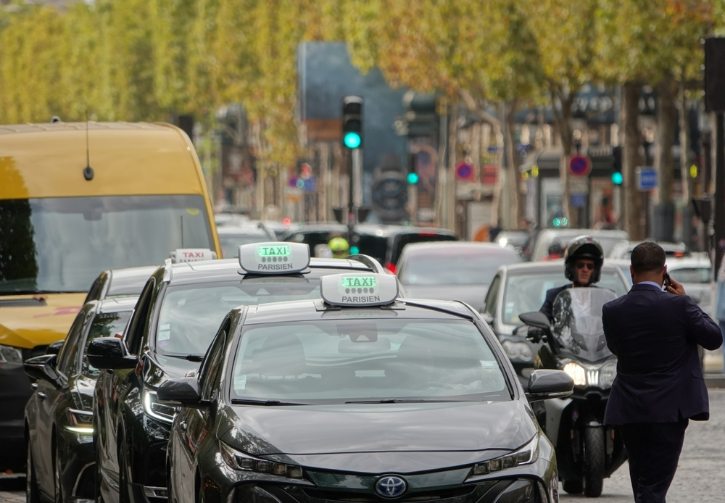
Charles de Gaulle is one of Europe’s most active spots for taxi scams. Documented cases include tourists charged €247 and €230 for rides that should cost about €56.
How the scam works
- A man inside the terminal approaches you, often with a generic badge
- He claims the official taxi line is closed or full
- He guides you to a private car in the drop-off zone
- A fake meter app shows a huge fare once you are inside
How organized it is
- In 2023, French taxi police dismantled a CDG surveillance network
- Lookouts tracked police movements and broadcast updates via WhatsApp and Telegram to help illegal drivers avoid checks
Official regulated flat fares
- CDG to Right Bank: €56
- CDG to Left Bank: €65
- Orly to Right Bank: €44 | Orly to Left Bank: €37
How to spot a real Paris taxi
- Illuminated “Taxi Parisien” sign on the roof
- A real taximeter fixed to the dashboard. If the “meter” is just an app on the driver’s phone, it is almost certainly a scam.
- Fare poster displayed on the rear window, showing official rates
- Professional driver’s license card visible inside the cab on the windshield
- Board only at the marked “Taxi Officiel Aéroport” rank, never from a stranger inside the terminal
Safer alternatives
- RER B train: €14 flat one-way
- Express Bus 9517: €2.05 to Saint-Denis Pleyel, then metro (Roissybus was discontinued March 1, 2026)
- App options: Uber, Bolt, or the official G7 taxi app
- Hard rule: Never follow anyone inside the terminal who offers to help you find a taxi
4. Buying the Wrong Metro or Transport Pass
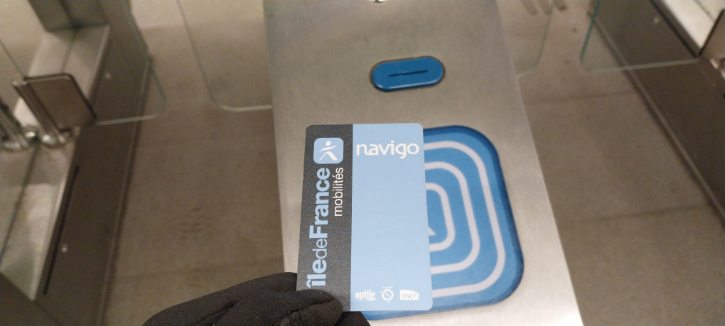
Paris transit is fully digital now. Every journey must be loaded onto a Navigo card or a smartphone app.
Most tourists either pay too much for single rides, buy the wrong pass for their trip length, or queue at machines when they could use their phone. Here is what to avoid and what to do instead.
Single rides add up fast on longer trips
- Loading individual tickets onto your Navigo Easy gets expensive after a few days
- Single fares: €2.55 for metro, RER, or train | €2.05 for bus or tram
- Do this instead: Buy the Navigo Découverte weekly pass
- €32.40 plus a €5 card fee
- All zones (1 to 5), so it covers CDG, Versailles, and Disneyland
- Runs strictly Monday to Sunday, regardless of when you buy it
- Needs a small passport-sized photo glued to the card
- Airport math: A round-trip RER B from CDG is €28. Add two metro rides and you have already beaten the cost of the weekly Navigo.
Paris Visite is rarely the better deal
- The Paris Visite Pass costs €30.60, €45.40, €63.80, or €78 for 1, 2, 3, or 5 days
- It needs no photo and no address, which makes it tempting
- Do this instead: Only choose Paris Visite if you arrive mid-week for a short stay and cannot use a full Monday-to-Sunday cycle. For most 5+ day visits, Navigo Découverte wins on price.
Skip the ticket machine queues
- Lines at major stations like Gare du Nord and CDG can take 20 minutes or more
- Do this instead: Use the IDF Mobilités or Bonjour RATP apps on your phone
- Buy and reload passes directly from your phone
- Tap your phone at the gate, no physical card needed
- Skips the ticket machine queue entirely
5. Taking Taxis for Routes That Are Faster by Metro or Walking
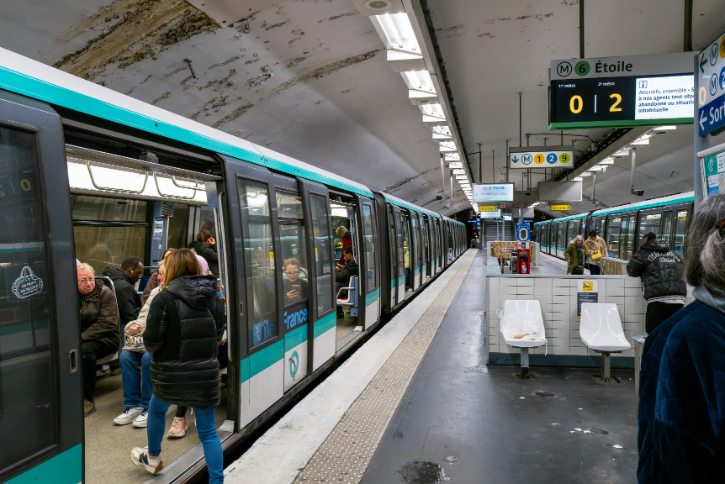
Paris is one of the most walkable capitals in the world. A taxi is rarely the fastest option.
Walking is often the winner
- Louvre to Notre-Dame: about 25 minutes on foot, free
- The center is compact, flat, and full of riverside paths
Route comparison
- Louvre to Notre-Dame: Walk 20 min (€0) | Metro 15 min (€2.55) | Taxi 20–30 min (€12–€18)
- Arc de Triomphe to Louvre: Walk 40 min (€0) | Metro 15 min (€2.55) | Taxi 20–30 min (€14–€20)
- Gare du Nord to Eiffel Tower: Metro + RER 35 min (€2.55) | Taxi 25–45 min (€18–€25)
When taxis genuinely cost more
- Central fares run €12 to €20, but traffic near tourist zones can double both fare and time
- Use Google Maps or Citymapper to compare before booking
When a taxi actually makes sense
- Late nights after the metro closes (last trains around 01:15 Sunday–Thursday, and 02:15 Friday–Saturday)
- Heavy luggage
- Outer arrondissements or suburbs
- Group of 3 or 4 splitting the fare
The walking bonus
- Walking surfaces hidden courtyards, neighborhood bakeries, and canal-side cafés you would never see from the metro
6. Planning the Itinerary by Famous Sights Instead of by Area
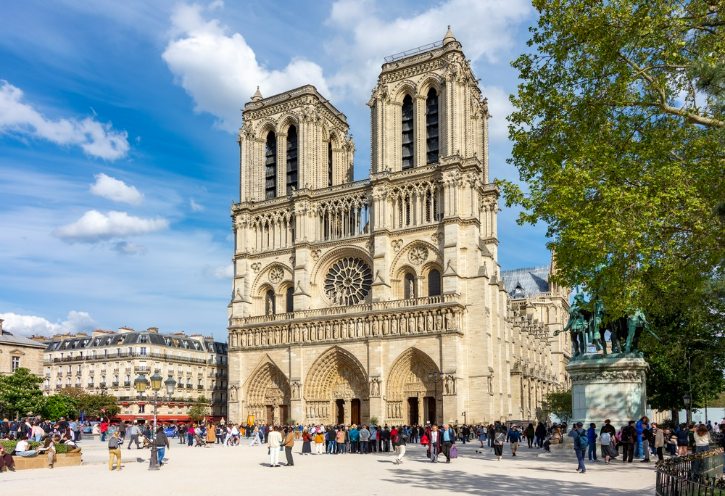
If you plan Paris as a list of sights, you spend the day crossing the city. Plan by neighborhood instead.
Left Bank (5th, 6th, 7th)
- Musée d’Orsay, Rodin Museum, Eiffel Tower, Luxembourg Gardens, Saint-Germain-des-Prés, Latin Quarter
Central (1st to 4th)
- Louvre, Tuileries, Île de la Cité, Notre-Dame, Sainte-Chapelle, the Marais, Centre Pompidou (closed for renovation until 2030)
North (9th and 18th)
- Montmartre, Sacré-Cœur, Opéra Garnier, Galeries Lafayette
East (10th and 11th)
- Canal Saint-Martin, République, Bastille
How to plan it
- Drop pins on Google Maps for every sight you want to see
- Zoom out and group them visually into clusters
- One cluster per day means more walking, less metro time, no doubling back
7. Paying Full Price for Every Museum, Monument, and Viewpoint
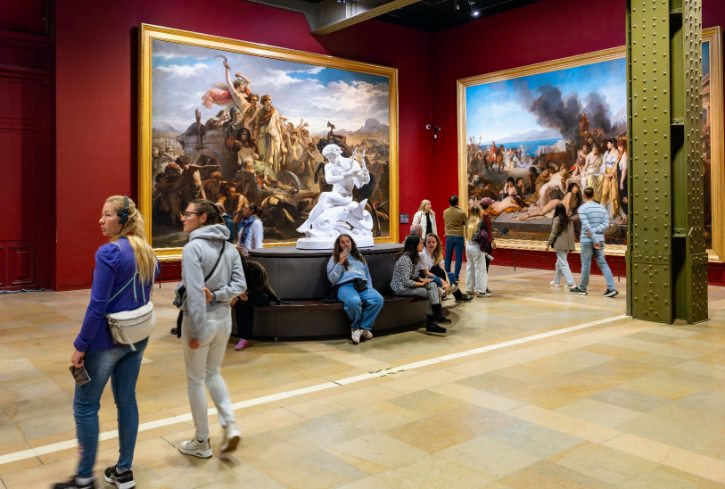
Paris has many ways to see top sights for free or at a deep discount.
Always free, year-round
- All 14 City of Paris museums, including Petit Palais, Musée Carnavalet, Musée d’Art Moderne, Maison de Victor Hugo, Maison de Balzac, and Musée de la Vie Romantique
Free on the first Sunday of the month
- Musée d’Orsay and Cluny: all year
- Versailles: November to March only
- You still need to pre-book a timed slot online
Free for under-26 EU residents and under-18s
- All national museums and monuments, year-round
Paris Museum Pass
- €85 for 2 days | €105 for 4 days | €125 for 6 days
- Covers more than 50 sites, including Louvre, Versailles, Sainte-Chapelle, Musée d’Orsay
- Priority access, but does not skip mandatory timed reservations
- Pays off quickly: Louvre €32 + Sainte-Chapelle €22 + Orsay €16 + one more sight already beats the 2-day pass
Free panoramic views
- Galeries Lafayette rooftop, free during store hours
- Printemps rooftop café (Terrasse du 7ème Ciel)
- Institut du Monde Arabe terrace, with views of the Seine and Notre-Dame
Special free days
- Bastille Day (July 14) and European Heritage Days in September: most national monuments are free for everyone
Read More: 17 Free Things to Do in Paris
8. Eating Only Near Famous Landmarks
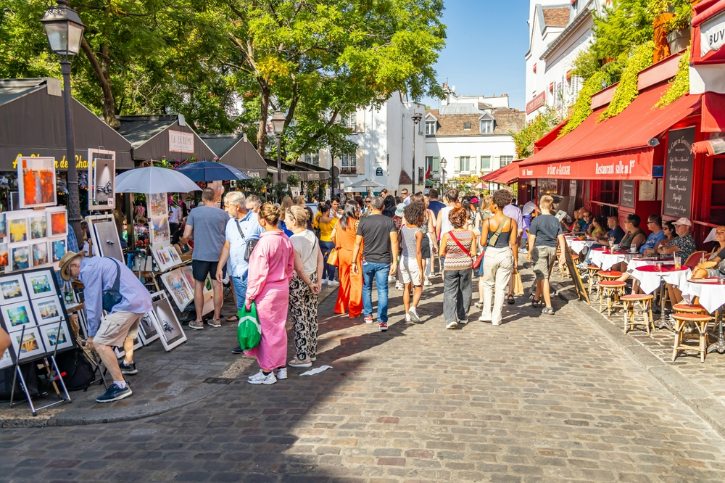
Restaurants right next to major monuments depend on one-time tourists, not regulars. The food is mass-produced, the prices are inflated.
Five tourist-trap red flags
- Large laminated menus with photos of every dish
- A waiter standing outside waving people in
- English signs saying “Traditional French Cuisine”
- A menu listing every classic French dish at once (onion soup, snails, frogs’ legs, duck confit)
The 5 to 10 minute rule
- Walk just a few blocks from any major landmark before sitting down
- Quality goes up, prices come down quickly
Where to eat near key sights
- Eiffel Tower: Around Rue Saint-Dominique in the 7th
- Montmartre: Head east toward Abbesses, away from Place du Tertre
Lunch is the budget play
- Most bistros offer a lunch formule of 2 to 3 courses for €18 to €25
- The same dishes cost much more at dinner
9. Ordering Water and Extras Without Knowing the Table Rules
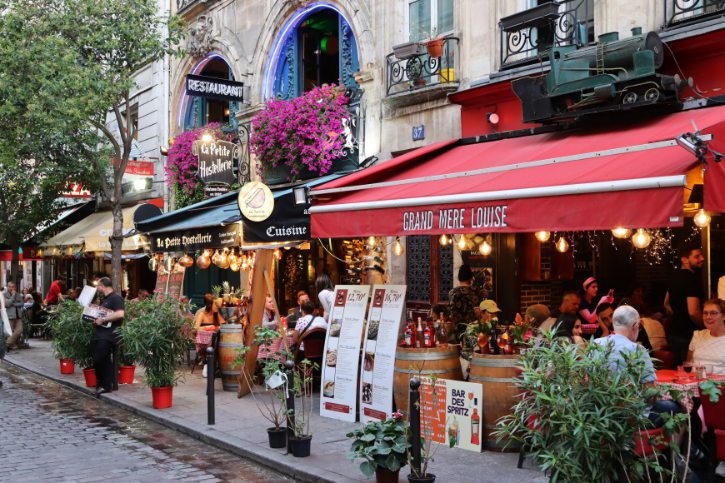
A few French restaurant rules quietly inflate tourist bills. Knowing them saves real money.
Water: the carafe rule
- French law (Arrêté n° 25-268 of 1967, reinforced by the 2022 AGEC law) requires free tap water with any meal
- Saying just “water” or “eau” can trigger a €4 to €8 bottle of mineral water
- Use the exact phrase: “Une carafe d’eau, s’il vous plaît”
- Refusing tap water to a dining customer is a legal violation under the French Consumer Code.
Service and tipping
- By French law (standardized by a landmark 1987 decree), a 15% service charge is automatically included in every single displayed menu price.
- Look for “Service compris” or “Prix nets” on the bill
- A waiter claiming service is not included is most likely being dishonest
- Locals round up or leave 1 to 2 coins for good service. Nothing more is required.
Bread
- Bread baskets are legally required to be free with table service
- Any extra charge on a tourist menu is bending the rules
Menu wording to know
- “Entrée” means starter, not main course
- The main course is “plat”
- Ordering an “entrée” thinking it is your main is a classic tourist mistake
Wine
- Skip the bottle list
- Ask for “vin en carafe” or “vin au pichet” (house wine by the pitcher)
- Cheapest option on the menu, and in most bistros, surprisingly good
Read More: 10 Mistakes Tourists Make Before Walking Into a Paris Restaurant
10. Falling for Street Scams in Tourist Areas
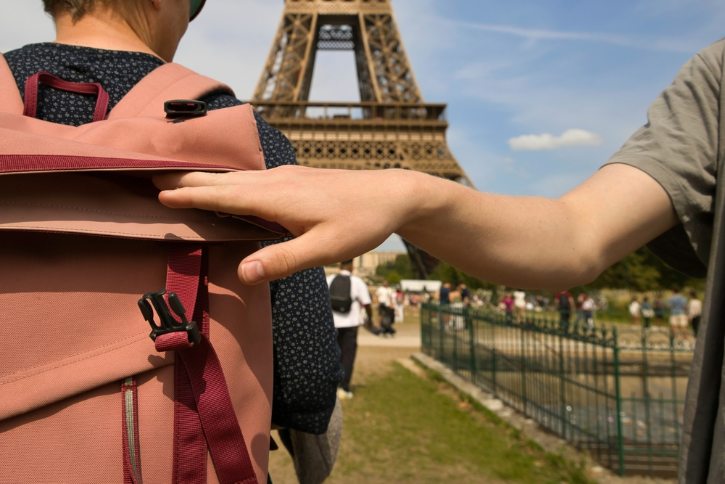
A handful of well-known scams run on rotation around Paris’s main attractions. Knowing how each one works is the best defense.
The bracelet and the ring
- Friendship bracelet: A scammer ties colored thread around your wrist near Sacré-Cœur, then demands payment. Accomplices may pickpocket you while you are distracted.
- Gold ring: A stranger pretends to find a ring at your feet, offers it as a gift, then asks for money. The ring is cheap brass.
The petition and the metro helper
- Fake petition: Near the Eiffel Tower, someone with a clipboard asks you to sign for “deaf and mute” charity, then demands cash
- Helpful metro stranger: At ticket machines, someone offers to help, then pockets your change or charges a cash fee
Pickpockets
Organized teams work the busiest areas:
- RER B train from CDG
- Around the Eiffel Tower
- The Champs-Élysées
- Crowded metro cars at rush hour
Fake ticket sellers
- People sell counterfeit “skip-the-line” tickets near major attractions like the Louvre
- Tickets are rejected at the turnstiles, and the seller is gone
Five defense rules
- Never stop walking when approached unsolicited
- Never let anyone touch your wrist, arm, or clothing
- Keep your bag zipped and worn across the front in crowds
- Do not use your phone openly on a metro platform or near closing doors
- Treat any unsolicited approach as a scam until proven otherwise