Italy has a way of humbling even careful packers. Between centuries-old streets, strict identification rules, dress codes at sacred sites, and an electrical grid unlike the one back home, a generic vacation checklist rarely holds up.
The weather shifts from region to region, sightseeing means long days on your feet, and small details can catch you off guard.
A little thought before you zip your bag turns into real comfort once you land. Here is what deserves a spot in your luggage, and what is better left behind. 😊
1. Comfortable Walking Shoes
a. Why Your Feet Do the Heavy Lifting Here
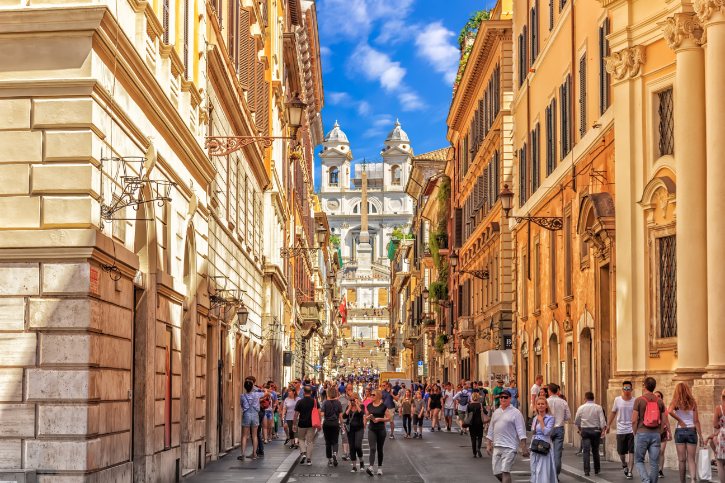
In Italy’s historic centers (the centri storici), cars are limited by local ZTL zones, so your feet carry you almost everywhere.
- In Rome, Florence, and Naples, sightseeing can reach 15,000 to 25,000 steps a day
- Much of that is on old ground never built for modern soles
- Your shoes work from breakfast until well past dinner
b. Know the Ground Beneath You
Italian streets are not one smooth surface, and each type asks something different of your feet.
- Sampietrini: rounded basalt cobbles in old Rome that twist the foot at the gaps
- Lastrico: broad polished slabs in Florence, Siena, and Venice, slippery when wet
- Excavated ruins: loose soil and uneven curbing at Pompeii and the Roman Forum
- Terraced staircases: steep, irregular steps along the Amalfi Coast and Cinque Terre
c. What Makes a Shoe Right for Italy
Look for a well-built walking shoe with the features that matter on stone.
- A cushioned EVA or polyurethane midsole
- A firm midfoot that resists twisting on cobbles
- A grippy rubber outsole (a compound like Vibram works well)
- Breathable uppers such as mesh or perforated leather
Break them in over three to four weeks of real walking before you leave, so you catch pressure points at home.
d. The One Rule That Carries a Fine
Inside the Cinque Terre National Park, the Park Authority bans certain footwear on the trails, including the Sentiero Azzurro.
- Open-toed shoes, flip-flops (infradito), and smooth or non-grip soles are not allowed
- Fines run from €50 to €2,500 under Italian National Law No. 394/1991
- The steepest penalties apply when rescue teams are called out
e. What to Leave Off Your Feet
For everyday city sightseeing, a few popular choices only slow you down.
- Heels slip into cobblestone gaps and risk a twisted ankle
- Thin espadrilles and foam flip-flops send every impact into your feet
- Flat, uncushioned shoes leave you sore after a full day on stone
f. Keeping Blisters Away
A little prevention goes a long way.
- Wear moisture-wicking synthetic or merino-wool socks, not cotton
- Carry an anti-friction balm and hydrocolloid blister bandages
- Treat any tender spot early, before it becomes a blister
2. A Church-Appropriate Outfit or Lightweight Cover-Up

a. Dress Codes Are Real, and They Are Enforced
Italy’s churches are working places of worship, and many famous ones check what you wear at the door. Being turned away after a long queue is a frustrating way to lose an afternoon, so arrive ready.
b. What the Major Sites Expect
Each big basilica runs security checks and sets its own standard.
- Peter’s Basilica and Vatican Museums: shoulders and knees covered, midriff concealed. No sleeveless or low-cut tops, miniskirts, short shorts, or indoor hats, and no refunds if refused.
- Duomo di Milano: shoulders and knees covered. No sleeveless or tank tops, shorts or skirts above the knee, hats, or beach flip-flops. Also avoid low-cut or bare-back tops, sheer fabrics, and heavily torn denim.
- Florence Duomo (Santa Maria del Fiore): shoulders and legs covered to the knee across the Cathedral, Baptistery, and Crypt.
- Mark’s Basilica, Venice: arms and shoulders covered, with knee-length or longer bottoms.
c. Small Parishes Deserve the Same Respect
Not every church has a guard, but courtesy still applies.
- Local parishes across Umbria, Tuscany, and the south rarely station security
- Beach or gym wear is still considered disrespectful inside
- Modest dress is the right choice whether or not anyone is checking
Each site sets its own rules, so check before you visit when a dress code decides whether you get in.
d. Staying Cool While Staying Covered
City temperatures often climb above 35°C (95°F), so the trick is breathable fabric that still covers.
- Choose natural fibers like lightweight linen, loose cotton, or rayon
- Wide-leg trousers, midi dresses, and below-the-knee skirts stay cool and cover the knee
- Men can pack cotton chinos or roll-up travel trousers
e. The Cover-Up That Saves the Day
Tuck a linen scarf, cotton pashmina, or thin cardigan into your day pack, and you can cover bare shoulders in seconds at the entrance. One more thing: remove any hats before you step inside.
3. A Secure Crossbody Bag or Compact Day Bag
a. The Honest Picture on Safety
Italy is a safe country overall, and serious crime is uncommon. The one thing to watch is pickpocketing and bag snatching in crowded spots. None of this should make you anxious. A good bag and a few steady habits handle almost all of it.
b. Where to Keep Your Bag Close
Police and consular services point to a few predictable hot spots.
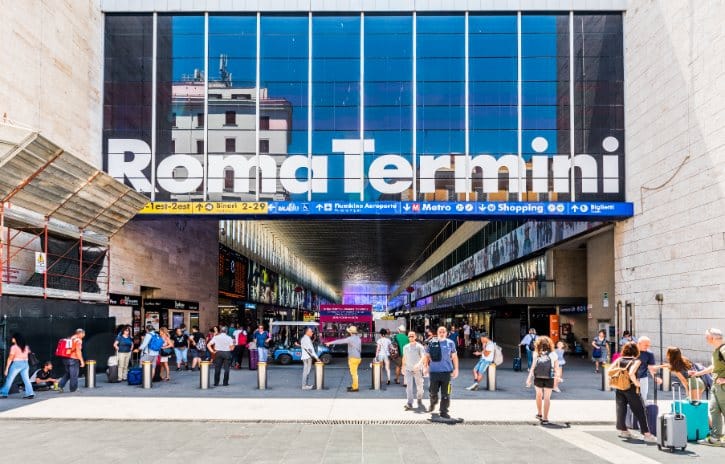
- Big stations like Roma Termini, Milano Centrale, and Napoli Centrale
- Busy transit, including Rome’s Metro Line A, Bus 64, and Venice’s vaporetto docks
- Crowded attractions such as the Trevi Fountain and central Naples markets
- Outdoor cafes, where a bag on a chair or a phone on the table is easy to grab
c. The Bag Features That Matter
A well-designed bag does most of the protecting for you.
- A crossbody design worn across your chest, pouch in front, which foils scooter thieves
- A sturdy zipper with a clip or covered flap
- An internal zip pocket against your body for ID and main card
- A compact size under about 40 by 30 by 18 cm, since museums like the Uffizi make you check larger bags
d. Smart Habits With Cash and Cards
How you split things up matters as much as the bag.
- Keep only a primary card and a little daily cash on you
- Leave spare cards, extra cash, and documents in the hotel safe
- Do not carry your wallet in an open back pocket
- Use contactless payments so you are not pulling out cards in a crowd
e. Skip the Gadget Overkill
You do not need a wardrobe of anti-theft gizmos. A crossbody bag worn correctly, plus a habit of not flashing valuables, beats most novelty gear. Stay aware, not fearful.
4. A Lightweight Rain Jacket or Packable Umbrella
a. One Country, Many Climates
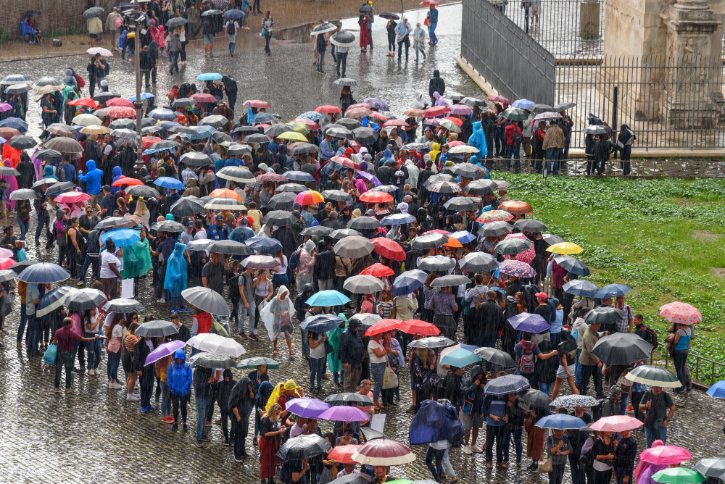
Italy has no single climate, so how much rain gear you pack depends on where and when you go. The country runs from damp northern plains to the dry Mediterranean south.
b. Rain by Region
- Northern Italy (Milan, Turin, Venice): wettest in spring and autumn, with summer afternoon thunderstorms
- Central Italy (Rome, Florence, Tuscany): dry summers, then heavy autumn downpours around October and November
- Southern Italy and the islands (Naples, Amalfi, Puglia, Sicily): long dry summers, with most rain from November to February in windy coastal storms
c. Jacket or Umbrella?
The right choice comes down to your plans for the day.
- A lightweight rain jacket with taped seams suits exposed trails like the Cinque Terre, open sites like Pompeii, and windy ferries
- A small collapsible umbrella is easier in dense cities, where you can stow it before a museum or church
- In the windy south, a hooded jacket beats an umbrella the gusts turn inside out
d. What Not to Pack
- Heavy rubber coats are awkward to carry all day
- Oversized golf umbrellas are cumbersome, and large umbrellas are banned in museum galleries
e. Check Before You Fly
Seasonal averages only tell you so much. In the days before you leave, check the short-range forecast from Italy’s official weather services and pack for the conditions you will actually meet.
5. A Refillable Water Bottle
a. Yes, the Tap Water Is Safe
Tap water across Italy is safe to drink. It is tightly regulated under national law, with very high compliance across public supplies, so a refillable bottle makes sense.
b. Fountains Worth Knowing
Several cities have wonderful public fountains that keep you topped up for free.
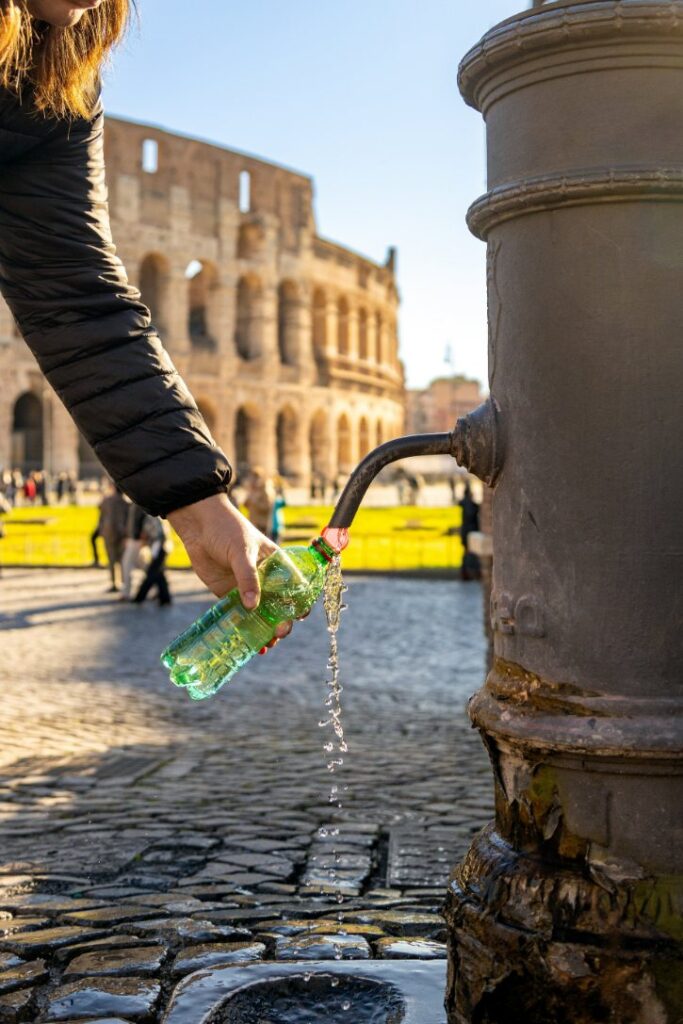
- Rome’s nasoni: over 2,500 cast-iron fountains nicknamed “big noses”, running with fresh spring water
- Milan’s vedovelle: hundreds of dark-green taps flowing with tested municipal water
- Venice’s public taps: over 120 marked fountains on the mainland supply
At Rome’s nasoni, cover the bottom opening with a finger and a small arc rises from the top for an easy drink.
c. Reading the Signs
- Free-flowing public fountains in parks and squares are drinkable by default
- Unsafe water is clearly labeled “Acqua Non Potabile” (Not Drinking Water)
- Never assume every spring is safe, and always check for that sign
d. Leave the Monuments Alone
Never drink from ornamental monuments like the Trevi Fountain. These recirculate treated, non-drinkable water and are strictly for admiring.
e. Picking the Right Bottle
- An insulated stainless steel bottle (500 to 750 ml) keeps water cold and will not sweat onto your things
- A wide mouth fills easily under a fountain spout
- A collapsible silicone bottle saves space when luggage room is tight
6. A Universal Travel Adapter
a. The Italian Grid at a Glance
Italy runs on a different system than North America, so a good adapter earns its place.
- Voltage: 230 volts AC
- Frequency: 50 Hz
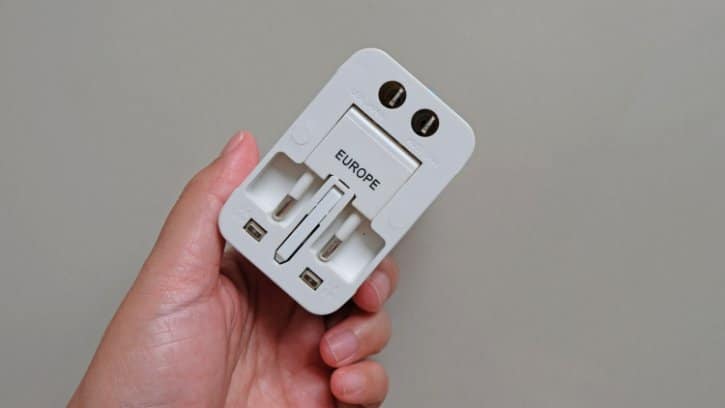
- Plugs and sockets: Type L is standard, and Type C (the round two-pin “Europlug”) fits most sockets too
b. The Sockets You Will Meet
- Older Type L sockets and two-pin Type C handle most everyday electronics
- Modern outlets, often called bipasso, accept several plug shapes at once
- A universal adapter that includes the Type C Europlug profile is your most reliable pick
c. Adapter Versus Converter
This distinction trips up most travelers, so get it clear.
- A plug adapter changes the shape of your plug. It does not change voltage.
- A voltage converter (step-down transformer) lowers Italy’s 230 volts to the 110 to 120 volts some devices need
d. Read the Label First
The small print on your charger tells you what you need. Look for the INPUT line.
- INPUT: 100 to 240V, 50/60Hz means dual-voltage, adjusting automatically
- Most phones, laptops, tablets, and camera chargers fall here and need only a plug adapter
- INPUT: 120V, 60Hz means single-voltage, and an adapter alone is not enough
e. Before You Buy One
- Confirm the adapter includes the Type C Europlug shape
- Check each device’s voltage rating so you know whether an adapter is enough
- Remember that changing the plug shape and the voltage are two separate jobs
7. A Small First-Aid Kit with Basic Medications
a. Why a Little Kit Goes a Long Way
A small personal kit saves you from hunting for a pharmacy over every minor issue, and from navigating a new language while you feel unwell.
b. What to Pack
- Feet and cuts: sterile bandages, gauze, tape, antiseptic wipes, and hydrocolloid blister cushions
- Aches and headaches: paracetamol (acetaminophen) or ibuprofen
- Stomach troubles: loperamide, oral rehydration salts, antacids, and simethicone
- Allergies and motion sickness: non-drowsy antihistamines like cetirizine, plus dimenhydrinate for winding ferries
c. Italian Pharmacies Are Excellent
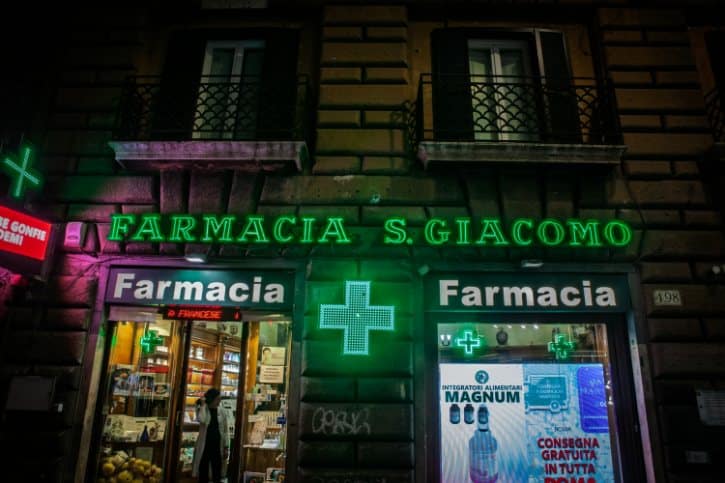
- Look for the glowing green cross that marks a pharmacy (farmacia)
- Pharmacists hold clinical degrees and can advise on minor concerns
- After hours, rotating duty pharmacies (farmacie di turno) stay open, with schedules posted on the door
d. Home Rules Do Not Always Travel
A medicine sold freely at home may be handled differently in Italy.
- Codeine pain relievers, high-dose naproxen, and oral antibiotics need a prescription in Italy
- Over-the-counter status does not carry over automatically
- When in doubt, ask the pharmacist before assuming
e. Bringing Your Own Supply
- Bring a personal supply for your own use, generally up to a 30-day amount
- Keep it in original packaging with labels showing your name, the doctor, and dosage
- Do not carry non-prescription items in quantities that look like resale
Anything controlled or regulated is a different matter, covered further down.
8. A Copy of Your Passport, Plus a Digital Backup
a. What a Copy Can and Cannot Do
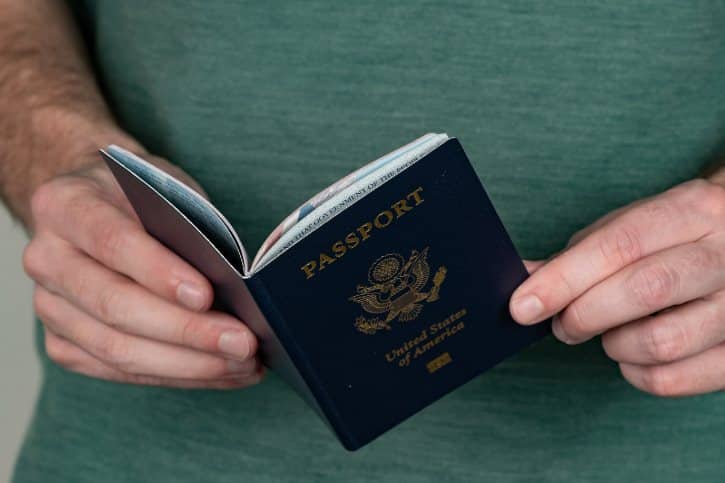
A passport copy and secure digital backup are among the most useful things you can prepare. But a photocopy or phone photo is not a legal substitute for your real passport at an official check.
b. Rules Depend on Your Nationality
- Non-EU travelers (US, UK, Canadian, Australian, and others) must show their original passport, plus any visa, if an officer asks
- Failing to produce the original can lead to real legal trouble
- EU citizens can enter and identify themselves with a valid national ID card in place of a passport, and should keep it on them
Your hotel is also legally required to register your original ID at check-in, so you hand it over there anyway.
c. Why Copies Still Matter
- A clear copy of your photo page speeds up the police report (denuncia) a consulate needs first
- Your embassy can issue an emergency document faster when you can show your passport number, expiry, and entry stamp
d. Storing Backups Safely
- Save digital copies in an encrypted cloud vault or password-protected PDF
- Do not leave passport images loose in your photo album or email
- Keep any paper copy in a different bag from the real passport, so you never lose both
e. If the Worst Happens
File a police report first, then contact your embassy or consulate, and present your copy to speed up an emergency travel document. A backup does not replace the original, but it turns an ordeal into a manageable errand.
9. Printed Copies of Key Reservations and Travel Documents
a. Digital Works, Until It Doesn’t
Most tickets in Italy are digital now and run smoothly nearly all the time. Still, a few printed backups save the day when your phone dies, breaks, or loses signal.
b. How Train Tickets Work
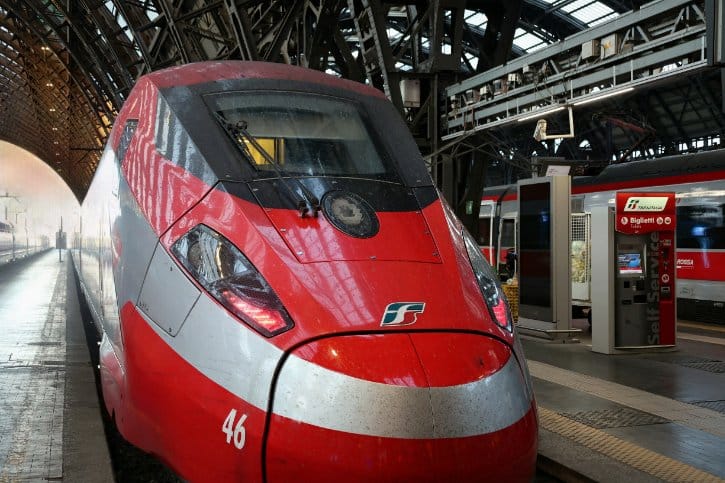
- On high-speed rail (Frecciarossa and Italo), conductors scan the QR code or check your booking code against your ID
- Digital regional tickets validate automatically at the scheduled departure time
- A paper ticket from a window, kiosk, or tabacchi must still be stamped in the green machines (obliteratrici) before boarding, or you risk a fine
c. When Paper Really Helps
- Car rentals: counters often ask for a printed voucher confirming pre-paid insurance
- Ferries to Capri, Ischia, and Sardinia: harbor booths may want a physical confirmation
- Underground sites like the Colosseum Hypogeum and Vatican Scavi tour: thick stone blocks phone signal
- Travel insurance: a paper copy keeps emergency numbers reachable if your phone is gone
d. Know What You Actually Must Carry
- Some documents you are legally required to carry, like your passport
- Some an operator specifically requires, like a rental voucher or ferry confirmation
- Some are simply useful backups in case a screen fails
e. Print Smart, Not Everything
There is no need to print every booking. Treat paper as a targeted backup for the few moments a phone might let you down. A small folder with your most critical confirmations is plenty.
10. A Foldable Reusable Tote Bag
a. The Featherweight That Pulls Its Weight
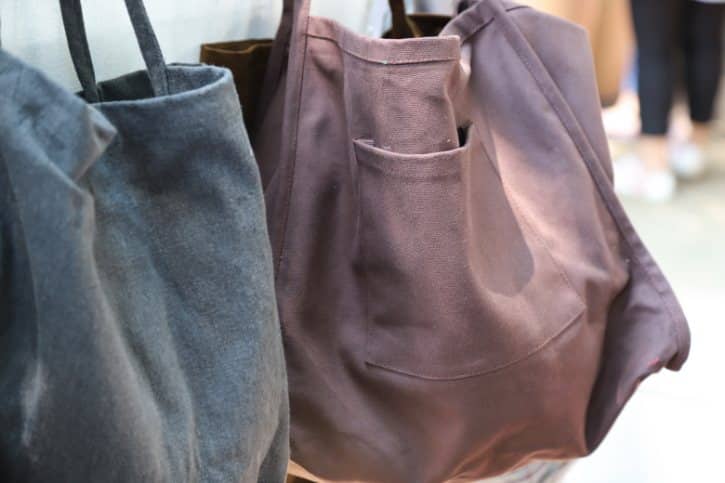
A foldable tote weighs almost nothing, folds to pocket size, and comes in handy again and again once you are on the ground.
b. Why Italy Makes It Useful
- Shops cannot hand out ordinary single-use plastic bags under national law
- The bags they do offer must be biodegradable, and stores charge a small fee
- Those thin bags also tear easily under groceries or wine bottles
c. Where You Will Reach for It
- Open-air markets like Rome’s Campo de’ Fiori, where you bring your own bag
- Layering days in spring and autumn, to stash a jacket as the afternoon warms
- Regional treats, giving you room for wine and olive oil without cramming your day bag
d. Choose One That Disappears
- Pick a lightweight ripstop nylon or fabric design that folds down small
- Look for something that tucks into your day bag or a jacket pocket
- Prioritize a version that takes up almost no luggage space
e. Not a Bag for Valuables
An open tote offers no protection against pickpockets. Never put your passport, wallet, or phone in it in crowds. Those belong in a zippered crossbody bag close to your body. Treat the tote as extra carrying space, not your main bag.
Avoid: Medication You Haven’t Checked Against Italian Regulations
a. Why This One Deserves Extra Care
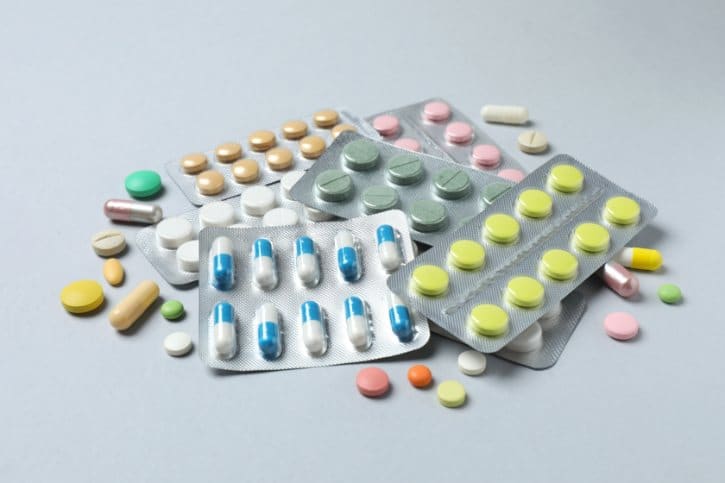
Some drugs that are routine at home are tightly controlled in Italy, so check your specific medication well before you travel rather than at the border.
b. Ordinary Medicines, Ordinary Rules
- Carry a personal supply for your own use, generally within a 30-day amount
- Keep everything in its original pharmacy packaging
- Hold on to the matching prescription with your name on it
c. The Controlled Categories to Watch
- ADHD stimulants (Adderall, Ritalin, Concerta): controlled, needing a doctor’s certificate with the generic name, dosage, and daily use
- Opioid pain relievers (oxycodone, morphine, fentanyl): the strictest, requiring certified documentation
- Moderate opioids (codeine compounds, tramadol): need original packaging and a matching prescription
- Benzodiazepines (Xanax, Valium, Ativan): require an official prescription showing your identity and daily dosing
- Medical cannabis (Sativex or prescribed cannabis): permitted only for treatment with a certificate and labeling; recreational cannabis is not allowed
- Decongestants with pseudoephedrine or ephedrine (Sudafed, Claritin-D): stronger versions can need a prescription
d. Paperwork by Where You Fly From
- From another Schengen country: for controlled medicines you generally need a Schengen Article 75 Certificate, doctor-completed and health-authority certified, valid up to 30 days
- From outside Schengen (US, UK, Canada, Australia): an official certificate or prescription stating your details, the drug’s brand and generic name, total quantity, doses, and daily dosage, within a 30-day supply
e. A Point People Get Wrong
Whether a medicine is sold in an Italian pharmacy does not tell you whether you may bring your own supply across the border. Those are two separate questions.
f. When You Are Not Sure
- Check the active ingredient against the Italian Medicines Agency and Ministry of Health tables
- Contact the Italian embassy or consulate in your home country to confirm
- Sort it out before you fly, not at customs
Avoid: Expensive Jewelry and Unnecessary Valuables
a. A Calm Word About Risk
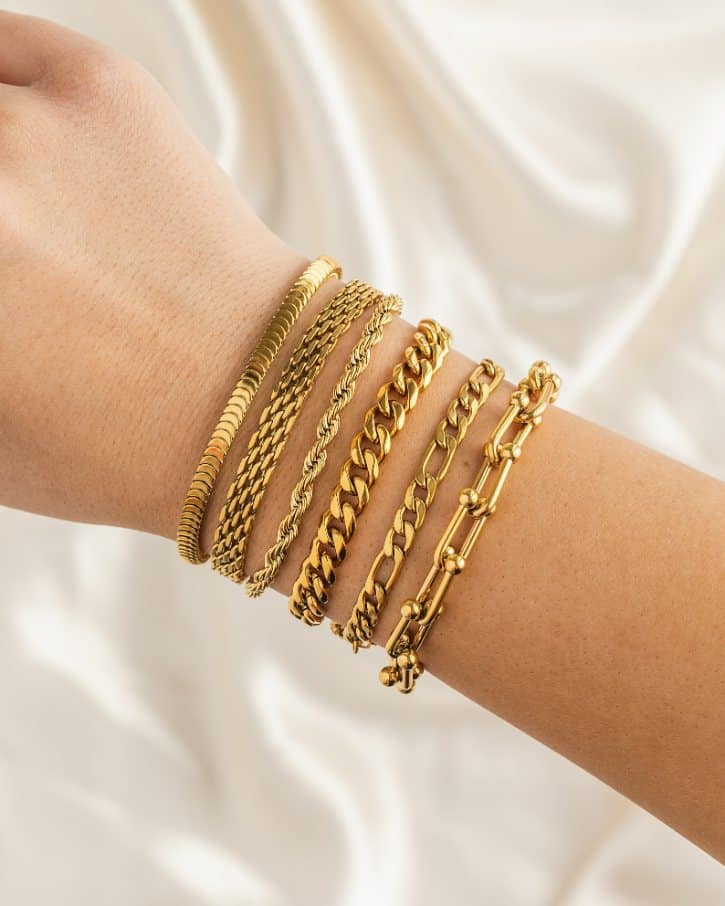
Leave the flashy, valuable items at home. This is not about fear. Violent robbery is uncommon and most trips pass without a hitch, but eye-catching valuables draw the wrong attention in busy tourist areas.
b. What Tends to Attract Attention
- Prominent luxury watches, designer bags, and gold chains in high-end districts
- Large amounts of physical cash near busy transport hubs
- Anything conspicuous around upscale hotels and stations
c. Practical Ways to Lower Your Risk
- Leave irreplaceable pieces at home, since insurance often caps jewelry payouts and claims need a police report
- Wear understated accessories for daytime sightseeing
- Use the hotel safe for spare cards, electronics, and valuables you are not carrying
- Keep cash to a minimum, leaning on contactless payments
d. Protect Yourself on Paper
If you do bring valuable gear, store digital receipts and serial numbers in secure cloud storage. If something is lost or stolen, this makes both the police report and any insurance claim far smoother.
e. The Mindset That Works
Carry what you need for the day, keep the rest secured, and stay quietly aware in crowds. You remove most of the risk without giving Italy’s beauty a second thought.
Avoid: Single-Voltage Appliances That Aren’t Compatible With Italy

a. The Difference That Damages Devices
Italy’s outlets deliver 230 volts at 50 Hz, while North America runs on about 120 volts at 60 Hz and Japan on 100 volts (50 Hz in the east, 60 Hz in the west). Plug a single-voltage 120-volt appliance into an Italian socket and you send it nearly double its rated voltage, which can be enough to fry it.
b. Read the Input Label
Check the small INPUT line before you pack any appliance.
- INPUT: 100 to 240V, 50/60Hz: dual-voltage and fine with a plug adapter
- INPUT: 110 to 120V, 60Hz: single-voltage and not compatible
- If it reads single-voltage, leave it home or swap it for a dual-voltage version
c. Watch the Heat Tools
High-wattage heating appliances cause the most trouble.
- Hair dryers, curling irons, flat irons, and steamers often draw well over a thousand watts
- The wrong voltage can burn one out fast, trip the breakers, or worse
- Even a step-down converter is awkward, since strong units are heavy and cheap ones can ruin digital-control tools
d. Remember the Frequency Catch
A converter can lower voltage but cannot change 50 Hz to 60 Hz. A motorized 60 Hz device, like a shaver or travel clock, runs slightly slower and may wear out sooner.
e. The Easy Way Around It
- Many hotels provide an in-room hair dryer, though this varies, so confirm it in advance
- For specific styling needs, pack a dual-voltage tool with a 120/240V switch
- Or simply buy an inexpensive local appliance once you arrive
A quick check of what your accommodation offers spares you from carrying gear you cannot safely use.