Paris welcomes tens of millions of visitors every year, and the vast majority go home with wonderful memories.
This guide is not here to tell you Paris is dangerous, because it isn’t. It’s here to help you spot the handful of situations that catch unprepared travelers off guard.
A little awareness and a few sensible habits will make your trip smoother and far more enjoyable. 😊
1. Pickpocketing and Phone Theft in Crowded Places
a. Why This Comes First
Opportunistic theft is the most realistic issue visitors face. Here’s the reassuring part. It’s almost always non-violent, relying on speed and teamwork rather than confrontation, and most visitors never experience it.
Thieves want what’s slim and easy to resell: phones, wallets, cards, cash, and passports.
b. Where to Stay Alert
None of these places is dangerous. They’re simply where crowds and distraction meet.
- The corridors of Châtelet-Les Halles and Nation
- Gare du Nord and Gare de l’Est
- The RER B airport line, where everyone has a suitcase
- Métro Line 1 at rush hour
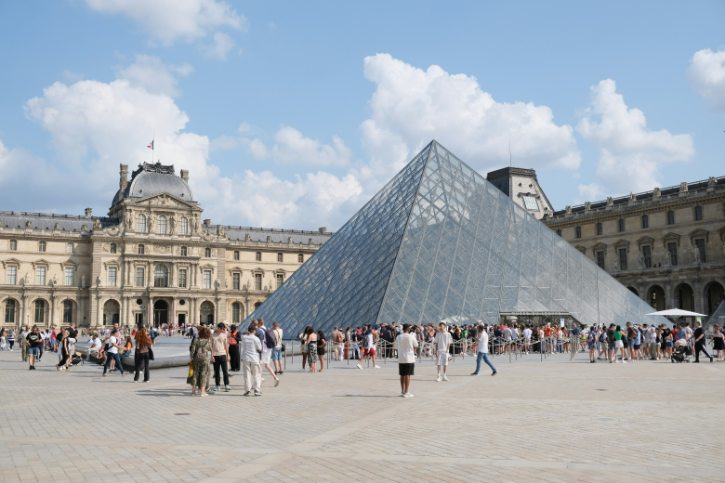
- Eiffel Tower and Louvre plazas, and the Sacré-Cœur steps
- Café terraces, hotel lobbies, and attraction queues
Risk rises in summer, on holidays, and whenever you’re tired or carrying bags.
c. How They Work
Thieves operate in pairs. One distracts, one lifts.
- The doorway grab. Your phone is taken as the Métro closing tone sounds, and the thief steps out as the doors lock.
- The escalator stop. Someone halts in front of you, causing a pile-up, while a second thief opens your backpack from behind.
- The café cover. A map is laid over the phone on your table during a question, and the phone leaves with it.
- The staged distraction. A bump or a sudden argument that pulls every eye away from the bags.
The warning sign is never one stranger. It’s the combination of pressure, crowding, and coordination.
d. Protecting Yourself
- Wear a zipped bag crossbody, across the front in crowds
- Never use exposed back pockets
- Split passports, cards, and cash across separate places
- Keep your phone off café tables, and don’t hang bags on chair backs
- Keep luggage between your feet
- Enable phone tracking and remote wipe before you travel, and record your IMEI
e. If It Happens
Move to a safe, staffed spot before checking your belongings, and never chase anyone. Freeze your cards, suspend the SIM, and activate lost mode. Note the time, station, line, and carriage. Then tell staff and file a police report.
Low-value theft can often be declared in English at major RATP station ticket desks. Higher-value losses, or anything involving violence, must be filed in person at a police station, the commissariat de police.
2. Classic Street Scams Around Major Sights

a. What They Have in Common
Scams near the monuments run on social pressure, embarrassment, and urgency, and several also open a window for a pickpocket. Keep perspective, though. Paris is full of helpful residents and legitimate street performers.
b. The Five You’ll Actually Meet
- Friendship bracelet. Common on the steps up to Sacré-Cœur. Someone takes your wrist and starts braiding before you agree, then demands payment while an accomplice works your pockets.
- Fake petition. A clipboard, a claimed charity, a signature, then a cash demand. The clipboard also hides your bag from you.
- Gold ring. Someone “finds” a ring at your feet, insists you keep it, then asks for “good luck money”.
- The shell game, or bonneteau, near the Eiffel Tower. The operator controls the outcome, and the spectators winning easily are accomplices.
- Dropped coins or a spilled drink. An object placed where you’ll knock it over, then a demand that you pay.
Don’t extend your wrist, don’t sign, don’t inspect the ring. A firm “Non, merci” and steady forward movement ends every one of them.
c. Fake Police and Fake Authority
Criminals impersonate officers. They ask to inspect your cash for counterfeit notes, demand your wallet or PIN, and refuse to show identification.
Real officers are identifiable. Uniformed police must clearly display their individual RIO number badge. Plainclothes officers wear an orange “Police” armband and carry a rigid identity card with a tricolor shield and holographic features.
Legitimate officers never inspect your cash and never ask for your PIN. Impersonating an officer carries up to three years in prison and a €45,000 fine. If in doubt, ask to continue at a police station, and call 17.
d. Ticket Fraud, Offline and Online
Unofficial sellers work the entrances of the Eiffel Tower, the Louvre, Sainte-Chapelle, Versailles, and Disneyland Paris. Their “skip-the-line” tickets may be counterfeit, already used, or wrongly dated, and attractions routinely refuse them.
Online, fake sites imitate official ones, and paid ads can appear above the real website in search results. Check the domain name character by character, plus the date, entry time, and cancellation terms.
e. Your Best Response
Refuse calmly and keep walking. Never hand a stranger your phone or card. If followed, step into a staffed shop, hotel, or station and alert staff. Check your belongings straight after any distraction.
3. Metro, RER, and Bus Safety
a. When to Pay Extra Attention
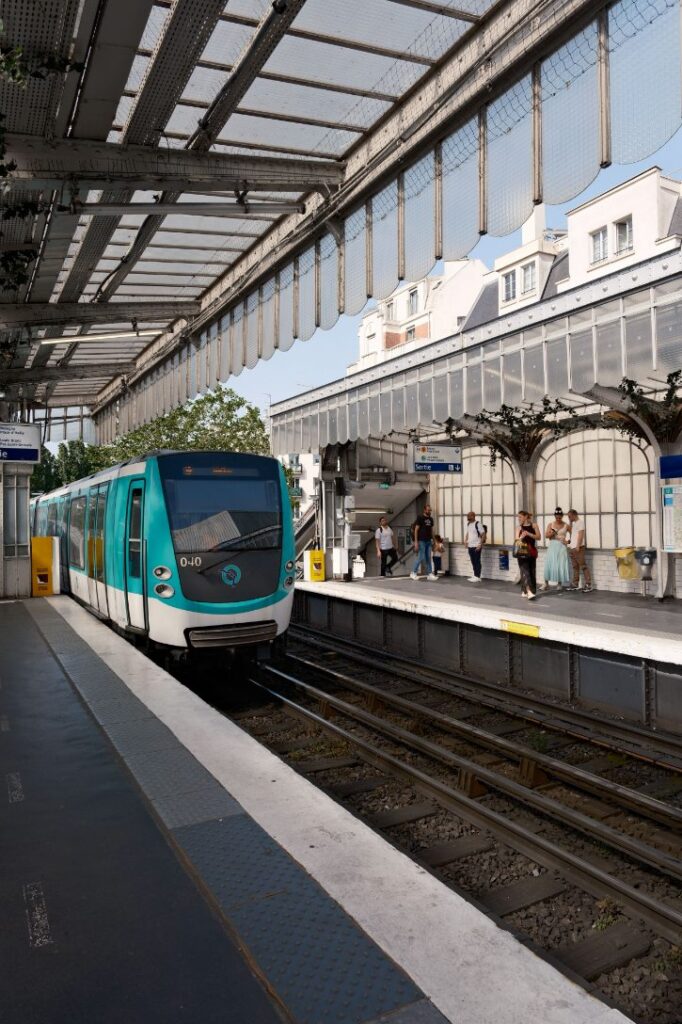
The network, run by RATP and Île-de-France Mobilités, is extensive, monitored, and highly secure, carrying millions of passengers safely every day. Use it.
Extra awareness matters in specific conditions: crowding, major interchanges, the doors, ticket machines, and airport routes. No line is unsafe as a whole.
b. Buying Safely
Buy only from official station kiosks and staffed desks, the Bonjour RATP or Île-de-France Mobilités apps, contactless bank card gates where active, or licensed vendors such as approved tabacs.
Genuine staff do approach travelers, and that’s normal. If in doubt, ask for identification, or ask to continue at an official counter.
c. Navigating Well
- Plan your route and ticket type before entering a busy station
- Check the destination shown on the train, and confirm the correct RER branch
- Keep luggage between your feet, and move away from the doors after boarding
- Keep proof of travel until you’ve left the paid area
- Choose an occupied carriage late at night
d. If There’s an Incident
Use the emergency call points on platforms and inside Métro cars. Call 3117, or text 31177, the transport security line covering the whole network, staffed 24 hours a day. Call 112 or 17 in immediate danger.
Give them the line, direction, station, platform, and carriage. Never chase a suspect. It isn’t worth a phone.
4. Taxis, Airport Transfers, and Ride-Hailing Overcharges
a. The Vulnerable Moment
Most licensed Paris taxi drivers are professional and tightly regulated. The risk arrives right after you land, when you’re tired and carrying everything you own. That’s exactly when unlicensed drivers approach travelers inside the terminal, bypassing the official ranks.
b. Spotting an Official Taxi
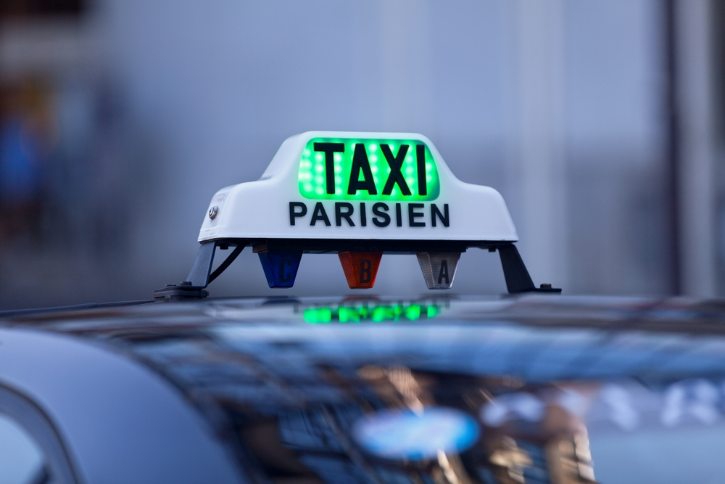
- An illuminated “TAXI” roof sign, green when available, red when occupied
- A visible, working taximeter
- The driver’s professional license card on the dashboard
Official taxis must accept bank cards, with no legal minimum, and must give a printed itemized receipt on request. Some supplements are legitimate: €4.00 for an immediate booking, €7.00 in advance, and €5.50 per additional passenger from the fifth person.
c. What It Should Cost
Fixed flat fares apply between the airports and central Paris. The price depends only on whether your destination sits north of the Seine (Right Bank) or south of it (Left Bank).
- Charles de Gaulle to the Right Bank: €56
- Charles de Gaulle to the Left Bank: €65
- Orly to the Right Bank: €45
- Orly to the Left Bank: €36
Inside Paris, metered fares start at €3.00, with an €8.00 minimum, then €1.30/km daytime and €1.66/km at night and weekends.
The rail alternative is RER B from CDG or Line 14 from Orly, a flat €14.00.
d. Warning Signs
- A driver soliciting you inside arrivals
- No roof sign, or a meter that never starts
- A price above the regulated flat fare
- Refused card payment, or an off-app cash rate
- A plate that doesn’t match your booking
e. Apps and Disputes
For Uber, Bolt, or Heetch, book only through the app and verify the plate, make, model, and driver identity before opening the door. Never accept a substituted vehicle.
If something goes wrong, ask for the itemized receipt. Don’t argue inside a moving vehicle. Pay by card so there’s a record, then file a complaint through the Paris Police Prefecture’s taxi reporting portal, which accepts online submissions.
5. Transit Fare Traps and RATP Enforcement Fines
a. Honest Mistakes Still Cost You
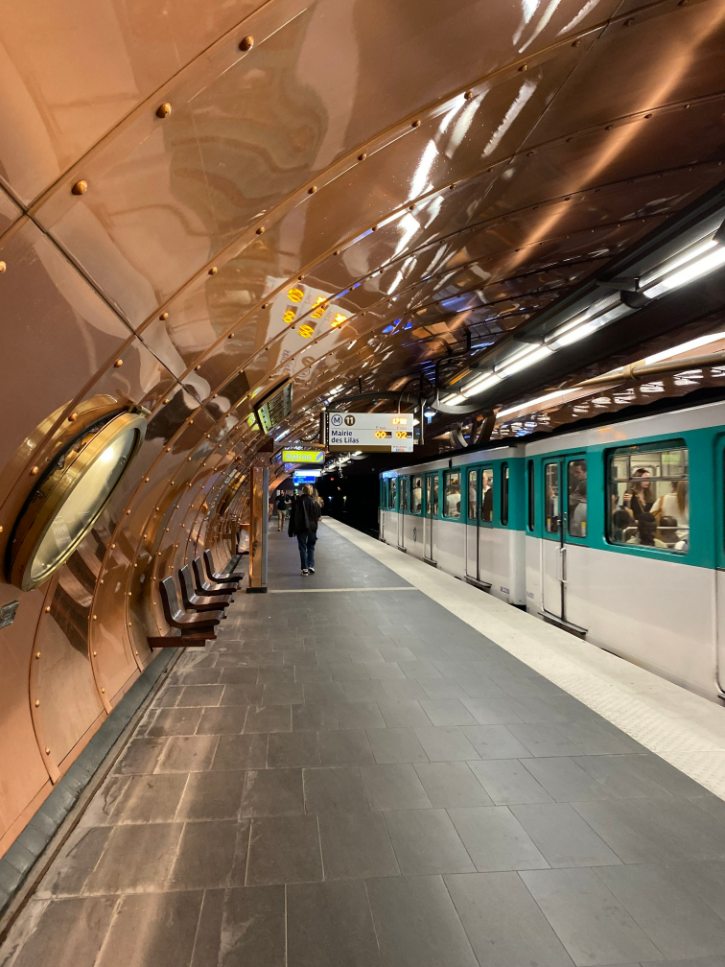
These fines are handed out for simple misunderstandings. Inspectors run frequent, systematic checks, and being an unfamiliar tourist does not cancel a fine.
The cardboard “t+” ticket is gone entirely. You now use a rechargeable Navigo Easy card (€2.00) or digital tickets on your phone. Convenient, right up until your battery dies.
b. What Tickets Cost
- Metro-Train-RER ticket, €2.55. Valid across the whole Île-de-France region for metro, train, and RER. Transfers allowed for 2 hours, as long as you don’t exit. Airport stations excluded.
- Bus-Tram ticket, €2.05. Buses and trams only. Not valid on the Métro, RER, or train.
- Airport ticket, €14.00. Required to enter or exit the airport rail stations at CDG and Orly.
- Navigo Weekly, €32.40. All zones including airports, but strictly Monday to Sunday. It cannot start mid-week.
- Paris Visite, €30.60 to €78.00. One to five days, all zones, airports included.
Good news for day trips. Versailles and Disneyland Paris no longer need a special zone ticket. The standard €2.55 ticket now covers both.
c. The Three Traps
The airport. Your €2.55 ticket will not open the barrier at a CDG or Orly rail station. You need the €14.00 airport ticket, or a pass that includes airports. This catches more visitors than anything else.
Rail and surface don’t mix. Getting off the Métro and onto a bus? That’s a second ticket. The Metro-Train-RER ticket does not transfer to buses or trams, and the Bus-Tram ticket does not work underground.
The photo. A Navigo Weekly on a physical Navigo Découverte card is personal. Write your name on it and attach a passport photo straight away, or the pass earns you an immediate fine.
d. Validation and Fines
Validate every time you enter a station, pass a barrier, transfer, or board a bus or tram. Failing to validate a weekly pass on a bus carries a penalty even though the pass is paid and active. Keep your ticket until you’ve left the paid area, because inspectors check at exits.
Each fine rises the longer you leave it. The three amounts below are paid on the spot, paid later, and paid after the deadline.
- No valid ticket, wrong fare, or no validation: €70, then €120, then €180
- Gate jumping: €70, then €120, then €180
- Pass not validated on a bus or tram: €15, then €65
- Feet on the seats: €150, then €200, then €375
RATP offers a €20 discount on deferred fees if the fine is paid within 20 days.
A flat phone means no ticket. Carry a power bank, or keep your fares on a Navigo Easy card instead.
e. Handling an Inspection
Stay calm and present your ticket. Inspectors may legally demand official identification. You can request a paper citation, a procès-verbal, to pay later or appeal, though paying on the spot generally closes the case and forfeits your right to appeal.
A possible impersonator refuses to show ID, demands cash only, or asks for your PIN. Move to a staffed counter and call 17.
6. Demonstrations, Strikes, and Sudden Transport Disruption

a. Keep This in Proportion
Paris is a political capital with a strongly unionized public sector. Demonstrations and strikes are a normal part of civic life, not a crisis. They’re temporary, geographically limited, and manageable with a morning check.
b. What to Expect
- National strikes bring days or weeks of notice and usually last 24 to 48 hours
- Local RATP or SNCF strikes carry a 48-hour statutory minimum warning and run one to three days
- Planned marches are announced in advance, last a few afternoon hours, and follow routes between République, Bastille, Nation, and Place d’Italie
- Unattended baggage alerts come with zero warning and usually clear within an hour or two
French law requires a minimum level of transit service during strikes, with revised timetables published 24 to 48 hours ahead.
c. Planning Around It
Check Bonjour RATP for network status and SNCF Connect for rail. Ask reception too, since hotel staff often know before the apps do.
- Recheck transport on the morning of travel, not the night before
- Allow generous time for flights and intercity trains
- Download offline maps and carry a portable battery
- Don’t book an inflexible tour on a confirmed strike date
- Keep receipts for replacement transport, and review your insurance
- Expect app-based prices to spike. Vélib’ bikes and walking cover most central distances
d. If You Meet a Demonstration
The overwhelming majority of protests are peaceful. Tensions can escalate near the front or rear of a march, and tear gas affects bystanders across a wide radius, including people simply walking past.
Avoid clashes, smoke, barriers, or riot police, and follow police instructions immediately. If you’re caught up in one, stay calm and walk down a quiet side street. Don’t stop to film. No video is worth it.
e. If Disruption Starts Mid-Journey
Follow announcements and ask whether your ticket is accepted on alternatives. Contact your hotel or airline, and keep evidence of extra costs. Don’t repeatedly try to board a dangerously crowded replacement vehicle. Find a safe place to wait, and confirm the last route back before service ends.
7. Area Choice and Night-Time Awareness
a. Ask the Right Question
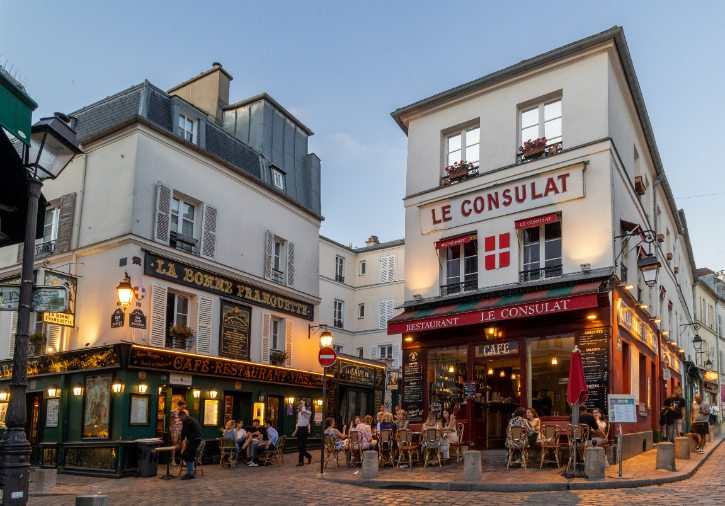
Paris has no “no-go zones”. What it has is variation, by street, by hour, and by how many people are still around.
So the useful question is never “is this arrondissement safe?” It’s “what does the last five minutes of my walk home look like at midnight?”
b. Before You Book
Look at the distance from a useful station, the walking route to the hotel, lighting after dark, whether businesses stay open late, and reception hours. Don’t rely on an anonymous forum comment that writes off a whole arrondissement.
Central districts with heavy foot traffic, good lighting, and a consistent police presence include the 1st through 8th arrondissements, Saint-Germain-des-Prés, Le Marais, Montparnasse, and the Latin Quarter.
c. Corridors Deserving Extra Care
- Gare du Nord and Gare de l’Est. Efficient by day, but chaotic and congested late at night, attracting unlicensed solicitors and pickpockets. Arriving late? Know your route rather than wandering with a suitcase.
- The northern 18th. Montmartre and Sacré-Cœur are heavily visited and secure. Not no-go zones. But quieter streets toward Barbès-Rochechouart, Porte de Clignancourt, Marx Dormoy, and Porte de la Chapelle can see drug dealing and theft after dark.
- Stalingrad, Jaurès, and the Ourcq Canal. Poor lighting and low foot traffic after midnight.
- The Bois de Boulogne and Bois de Vincennes. Beautiful by day, unlit at night. Avoid them entirely after dark.
Every one of those cautions is about lighting, transport, and time of day. Not about a postcode.
d. Practical Night-Time Steps
- Save your hotel’s name, address, phone number, and nearest station
- Know the last train and bus times, and plan your route home before you go out
- Use the on-demand stop. After 10:00 PM, on any bus or Noctilien night bus, you can ask the driver to drop you between official stops, closer to your door
- Stick to main streets and skip shortcuts through parks or alleys
- Sit near other passengers or the driver, and move carriages if yours empties
- Skip noise-canceling headphones when walking alone
e. When You Feel Unsafe
Change direction, move toward other people, and enter a staffed building. Ask them to call you an official taxi. Do not lead a suspicious person to your hotel. Share your live location with a trusted contact.
8. Handling Money, Cards, and ATMs
a. You Don’t Need Much Cash
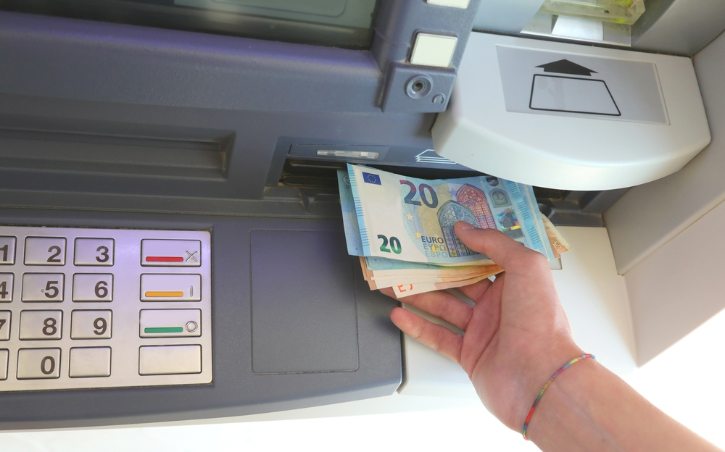
Paris is exceptionally card-friendly. Contactless payments, digital wallets, and major international cards work almost everywhere. Carrying a thick roll of cash just makes you a better target. Roughly €30 to €50 covers markets, small cafés, and minor purchases.
b. ATM Safety
- Prefer machines inside or attached to a recognized bank
- Avoid isolated terminals and machines wedged between souvenir shops
- Inspect the card slot and keypad for loose attachments or overlays, which can indicate a skimmer
- Cover the keypad when entering your PIN, and decline help from strangers
- Don’t count cash beside the machine
- If the machine keeps your card: refuse help from bystanders, block the card, and call your bank on a number you already have
c. The Currency Trap
Dynamic currency conversion is the quiet one. When a terminal detects a foreign card, it may offer to charge you in your home currency. That rate is set by the merchant, it’s typically worse than your bank’s, and the difference is a hidden fee.
Always choose to pay in euros (€) and let your own bank convert. Bank ATMs also beat tourist exchange booths, and “0% Commission” signs guarantee nothing.
d. Simple Habits
Carry a backup card stored separately, enable transaction alerts, and save your bank’s international emergency number before you fly. Check the amount and the currency before approving any payment.
Nobody legitimate ever asks for your PIN, security code, password, or one-time code.
e. If a Card Is Lost or Compromised
Block the card, contact your bank through a verified number, record suspicious transactions, change passwords, and file a police report.
Unauthorized transactions can be reported to your issuer for reversal. The police cannot reverse a transaction. Only your bank can. France also runs a card-blocking service: 0892 705 705 within France, or +33 442 605 303 from abroad.
9. Security Alerts, Temporary Restricted Areas, Bag Checks, and Unattended Luggage
a. What the Patrols Mean
You will see armed patrols, bag checks, and metal detectors. These are usually routine preventive measures, not a sign that something is happening.
France runs a national security framework known as Vigipirate. An alert level guides security measures. It does not predict that an incident will occur.
Levels change, so check the official French government site before you travel rather than trusting an old article.
b. Bag Checks at Attractions
Expect visual bag inspections, metal-detector screening, and ticket checks. Refusing screening means you don’t get in.
- Check the prohibited items list. Common bans include large tripods, drones, helmets, and glass containers
- Confirm bag-size limits, often cabin dimensions or smaller
- Check cloakroom availability. Many sites offer no storage for large bags. Don’t bring your suitcase to the Louvre
- Allow time for the queue, and use the correct entrance
c. Airport Security
At Charles de Gaulle and Orly, the 100-millilitre container limit applies to liquids, gels, and aerosols, all fitting in one clear one-litre bag. Laptops and tablets are screened separately.
Medicines and baby food have their own procedures, so declare them. PARAFE biometric border gates are available for eligible passport holders and save real time.
d. Never Leave a Bag
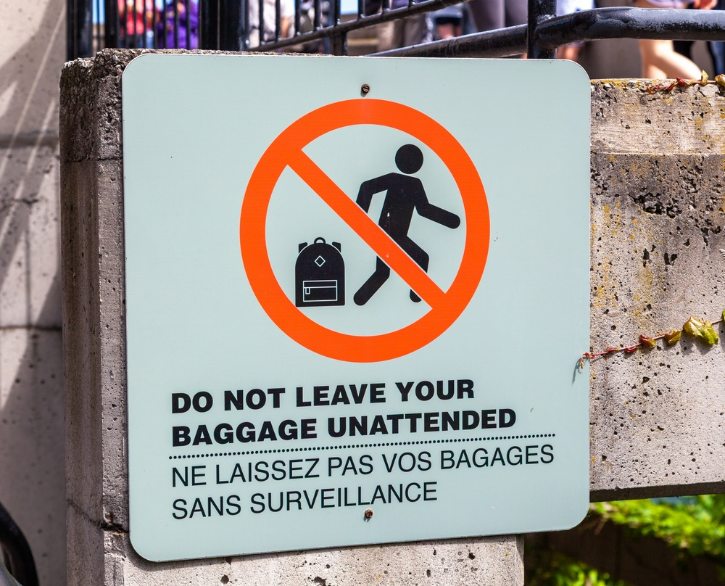
Any bag left unattended in a station, on a train, or in a museum is treated as a potential security threat. That triggers evacuation, line suspensions, police cordons, and specialist detection teams.
The owner can be fined, and in serious circumstances the property may be destroyed. If you leave something behind, tell staff immediately, and never re-enter a restricted area to retrieve it.
e. Suspicious Objects and Closed Areas
If you spot an unattended package, don’t touch or move it. Move away, notify staff or dial 17, and wait for permission before returning.
Temporary perimeters appear for marathons, state visits, concerts, and demonstrations. Police may redirect you. Comply immediately, and ask questions afterward. Never stop to film an active security operation.
10. Lost Documents, Emergencies, and Getting Help
a. Emergency Numbers
- 112, European emergency. Any emergency, with multilingual operators.
- 17, Police. Active crime, violence, or immediate danger.
- 15, SAMU medical. Urgent medical emergencies.
- 18, Fire and rescue. Fire, accidents, entrapment.
- SMS emergency reporting for deaf and hard-of-hearing callers.
- 3117, or text 31177. Transport security, for harassment or danger on the network.
- 01 47 07 77 77, SOS Médecins Paris. A doctor sent to your hotel, 24 hours a day.
- 3246, RATP lost property. Items left on buses, trams, or the Métro.
112 works from foreign phones and reaches multilingual operators. If you remember one number, remember that one.
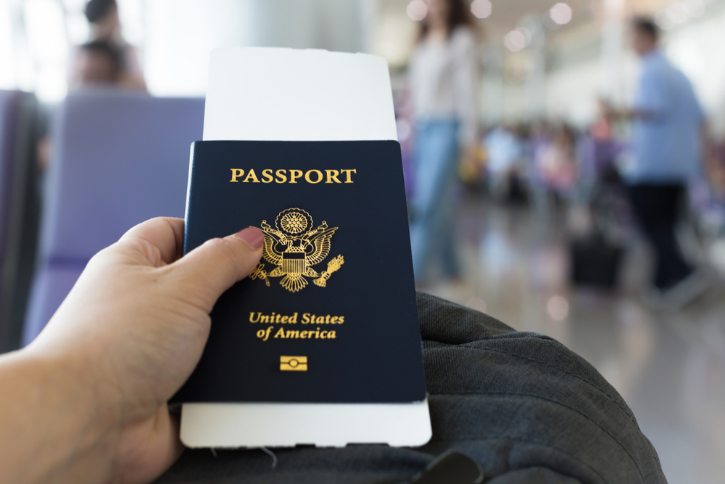
b. A Lost Passport
First verify the loss. Check the hotel safe, your luggage, the attraction desk. It turns up more often than you’d think.
Then file a police report at the commissariat de police and obtain the official document, the récépissé de déclaration de perte ou de vol, which is mandatory for replacement and insurance. Contact your embassy for an emergency travel document appointment.
Save your own embassy’s details before you travel. An embassy can issue emergency travel documents and give consular guidance. It cannot file your police report, cancel your cards, or override an airline’s boarding decision.
c. A Stolen Phone
Track it only from a safe location, activate lost mode, lock it remotely, and suspend the SIM. Never go to a tracked address yourself.
Give the IMEI to police and your provider, change important passwords, and remove digital-wallet cards. Record your IMEI before the trip by dialing *#06# and saving it somewhere that isn’t the phone.
d. Reporting in Your Own Language
Foreign victims filing a report in Paris can use the S.A.V.E. system at national police stations. It supports 30 languages and lets you register a report and receive official documents in your own language, which directly support passport replacement, card disputes, and insurance claims. Ask for it by name.
The report number matters. Your bank, embassy, airline, and insurer will all ask for it.
e. Prepare Before You Fly
Store secure copies of your passport page, insurance policy, bookings, card-blocking numbers, phone IMEI, embassy details, and an emergency contact at home. Keep copies separate from the originals.
One practical note. Paris has closed its physical tourist information centers. The old office at 25 Rue des Pyramides no longer takes walk-ins, replaced by a digital concierge reachable by mobile and WhatsApp. Your hotel reception is now your best in-person help desk.