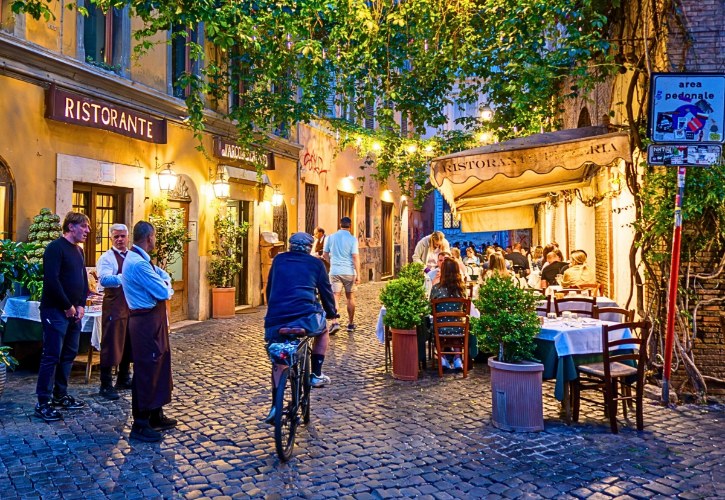
Cross the Tiber River into Trastevere, and Rome seems to slow down and breathe. Winding cobblestone lanes, ivy-draped ochre buildings, and quiet little squares give this old quarter a warm, lived-in feeling that the city’s monument-packed center rarely offers.
Stay overnight, and you get the full picture, from sleepy morning espressos to softly lit evenings by the fountains. It is a different, more intimate side of Rome, and it might just become your favorite part of the trip.
1. Why Trastevere Wins You Over as a Base
a. A Neighborhood That Feels Like the Real Rome
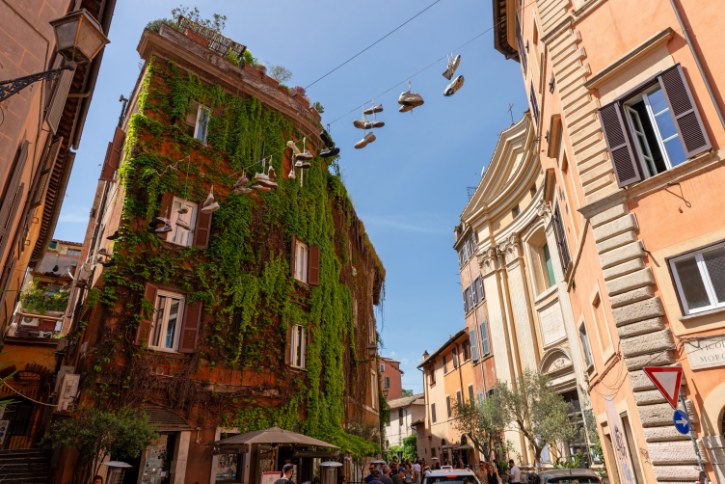
You get an old medieval street plan here instead of wide modern boulevards. Narrow lanes, warm ochre facades, creeping ivy, and small hidden piazzas turn even a quick coffee run into part of the experience.
b. Where Dinner Spills Into the Streets
- Trattorias, pizzerias, cafés, and wine bars are packed into one walkable maze
- Tables spill onto the squares after dark, especially from aperitivo onward
- You can stroll home after dinner instead of chasing late-night transport
- Some lanes stay lively while others stay calm, so your exact block matters
c. Everything Close Enough to Walk
- Cafés, bakeries, grocers, and shaded piazzas all cluster within a few minutes
- Most local landmarks sit within a 5 to 10 minute walk of each other
d. A Quarter With Real Roman Roots
The locals here, known as trasteverini, come from a proud working-class community that goes back to antiquity. Tourism has clearly reshaped the busiest lanes over the years. Still, walk a couple of blocks past them and you find morning markets, old bakeries, and quiet residential courtyards where everyday Roman life carries on.
2. Where Trastevere Sits and How Easy It Is to Reach Rome
a. Just Across the River From the Center
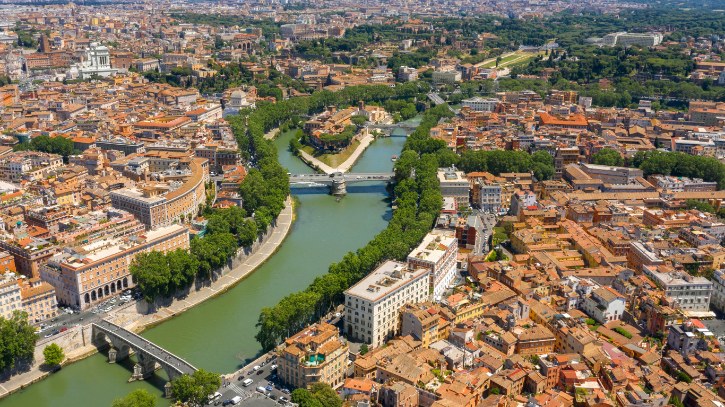
You sit on the right bank of the Tiber, directly south of the Vatican, with the main historic core a short walk over the bridges. Officially the district also climbs the Janiculum hill, but in everyday talk, “Trastevere” means the lively lower quarter by the river, while the higher ridge is called Gianicolo.
b. Bridges That Drop You Into Old Rome
- Ponte Sisto: from Piazza Trilussa, straight toward Campo de’ Fiori
- Ponte Garibaldi: carries Viale di Trastevere and Tram 8 to the Jewish Ghetto
- Ponte Cestio: onto Tiber Island, then over Ponte Fabricio into the Ghetto
c. The Big Sights Within Reach
- Campo de’ Fiori, Piazza Navona, and the Pantheon: a short walk across the bridges
- St. Peter’s Square: a pleasant riverside walk to the north
- The Colosseum: within range to the east, best paired with a tram or bus
d. Getting Around Without a Metro Stop
The one quirk to plan for is that the historic neighborhood has no Metro station. You rely on trams and buses instead:
- Tram 8 runs down Viale di Trastevere to Piazza Venezia
- Tram 3 links the area to Circo Massimo and the Colosseum
- Bus H connects straight to Piazza Venezia and Termini
- Bus 75 reaches Testaccio and the Colosseum, and Bus 23 runs along the river toward the Vatican
Check live service notices before you head out, since roadworks and traffic can shift routes.
e. When to Walk and When to Ride
- Walk for the Baroque core, the Ghetto, and St. Peter’s, which are usually quicker on foot
- Ride for the Colosseum, Spanish Steps, Termini, and the Vatican Museums
- Lean on a tram, bus, or taxi in the summer heat or with heavy luggage
3. What Staying in Trastevere Actually Feels Like
a. Slow Mornings and a Village Mood
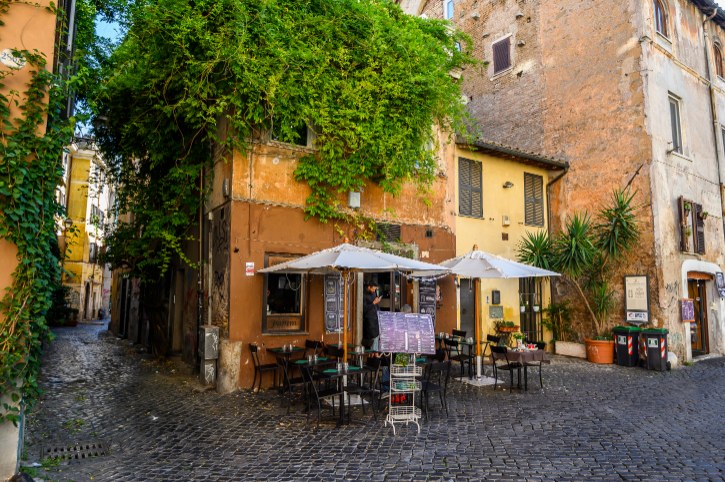
In the morning and early afternoon, parts of the quarter feel almost like a village. Sunlight fills the alleys, café counters serve regulars, and the daily food market runs until early afternoon. It is never fully tourist-free, but the pace is calm and easy.
b. The Streets Come Alive After Dark
- Aperitivo starts around 5 pm, and the quarter hits full energy after 7
- Tables fill the lanes, and musicians gather near the fountains
- Piazza Santa Maria and Piazza Trilussa become the social heart of it all
- Nearby bar strips stay busy well past dinner
c. The Noise Trade-off You Should Know
- Tall stone buildings funnel sound upward along the narrow streets
- Rooms over Via del Moro, Via della Scala, and the main squares stay loud until 1 or 2 am, peaking Thursday to Saturday
- A courtyard-facing room, or a block or two off the action, cuts the noise sharply
d. Everyday Life Between the Crowds
Step outside the peak hours, and you see the neighborhood the locals know. Bakeries sell fresh biscotti, tiny alimentari shops stock the basics, quiet bars fill with regulars, and monastic courtyards sit tucked between the busy lanes. Real Roman households still anchor these blocks.
4. The Best Pockets of Trastevere to Book
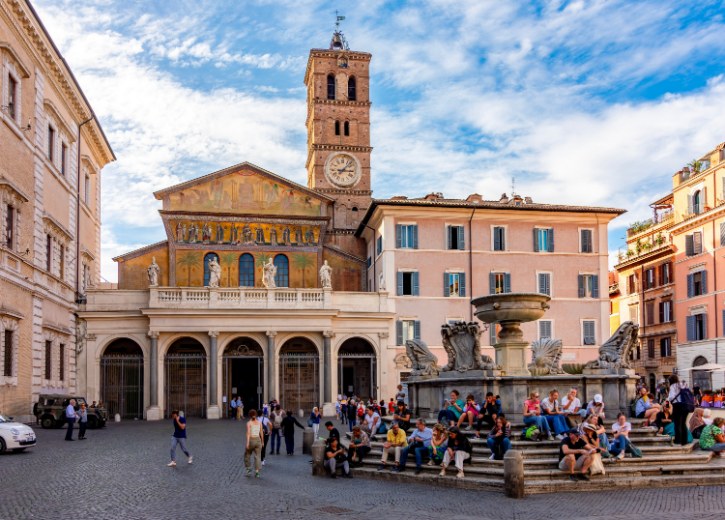
Treating Trastevere as one uniform place is the biggest booking mistake you can make. A few blocks change everything.
a. The Postcard Heart, Lively and Central
- Around Piazza Santa Maria, Piazza Trilussa, and Via del Moro
- Classic ivy-draped lanes, dining terraces, gelaterias, and buzzing nightlife
- Expect late weekend noise, dense crowds, and walk-ups without elevators
- Best for you if you are a night owl, a social couple, or a deep sleeper
b. Quiet Backstreets for a Calmer Stay
- Around Via dei Vascellari, Via Anicia, and Piazza San Cosimato
- Local shops and courtyards, yet the main squares are 5 to 7 minutes away
- Not silent, but far calmer than the bar zone
- Best for you if you are a couple, a family, or a light sleeper
c. The Eastern Edge for Easy Transport
- Along Viale di Trastevere and Piazza Sonnino
- A broad avenue with trams, buses, bigger buildings, and easier taxi and elevator access
- You trade the village feel for road and tram noise
- Best for you if you rely on transit or travel with lots of luggage
d. The Green, Hilly Janiculum Side
- Climbing west toward Villa Sciarra and Fontana dell’Acqua Paola
- Leafy and peaceful, with sweeping views across the city
- Steep walks, fewer restaurants, and limited transit nearby
- Best for you if you want quiet greenery and do not mind the hills
e. The Local Southern Stretch by Porta Portese
- Near the Porta Portese gate on lower Viale di Trastevere
- Fewer tourists, solid tram and bus links, and an unpretentious feel
- The big Sunday flea market fills the streets until early afternoon
- Best for you if you are a repeat visitor who wants a local base
5. How Far Rome’s Highlights Are on Foot
Using Piazza Santa Maria as your starting point, here is roughly how long each walk takes. Your real times will shift with your pace, the heat, and the crowds.
a. The Easy Wins: Pantheon and Piazza Navona
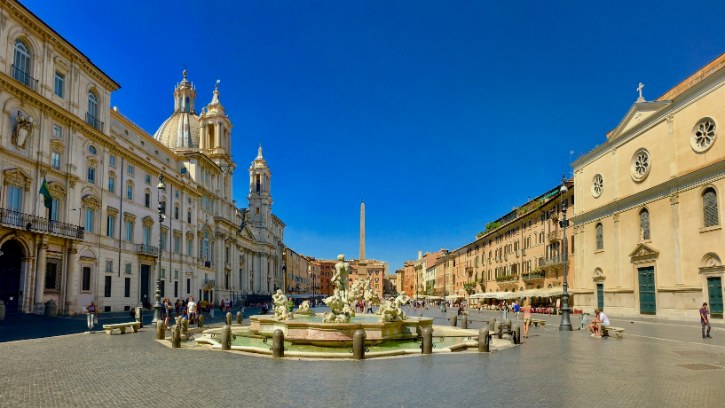
- Piazza Navona: about 15 to 17 minutes across Ponte Sisto
- Pantheon: about 18 to 20 minutes via Campo de’ Fiori
- Both are flat, scenic, and comfortable for most walkers
b. A Longer Stroll to Trevi and the Spanish Steps
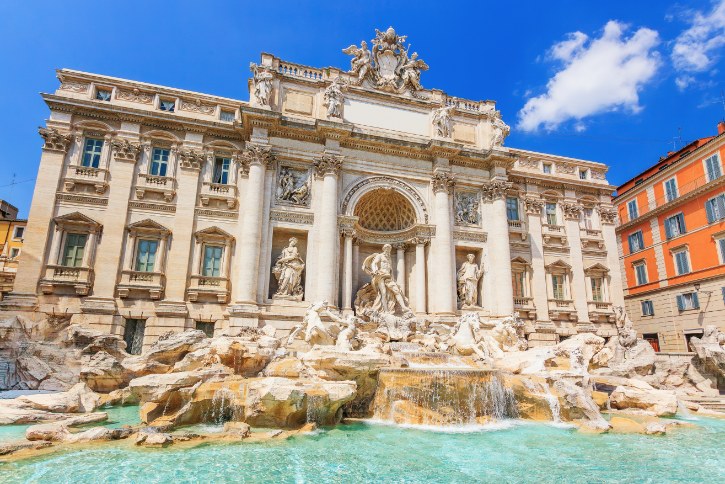
- Trevi Fountain: about 26 to 30 minutes
- Spanish Steps: about 34 to 36 minutes
- Lovely as one connected walk, or hop a tram partway in the heat
c. The Scenic Route to the Colosseum
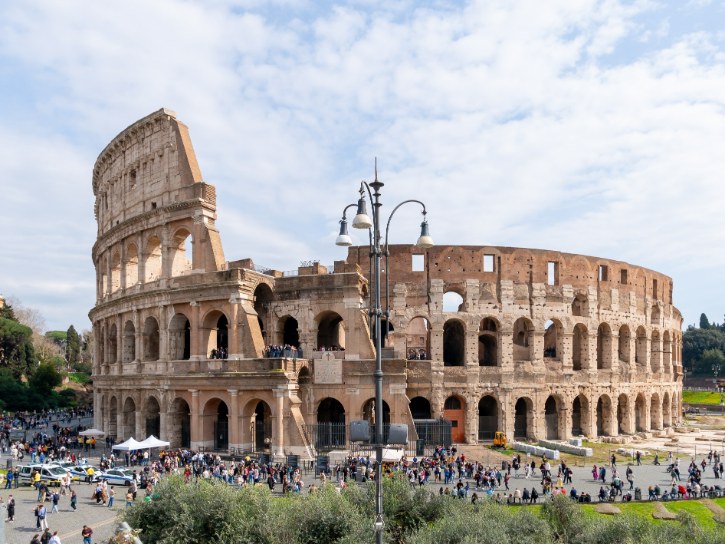
- The Colosseum: about 27 to 32 minutes past Tiber Island and the Theatre of Marcellus
- Add a few hours if you tour the Forum and Palatine Hill on the same trip
- A bus or tram gets you there with fresher legs
d. The Riverside Walk to the Vatican
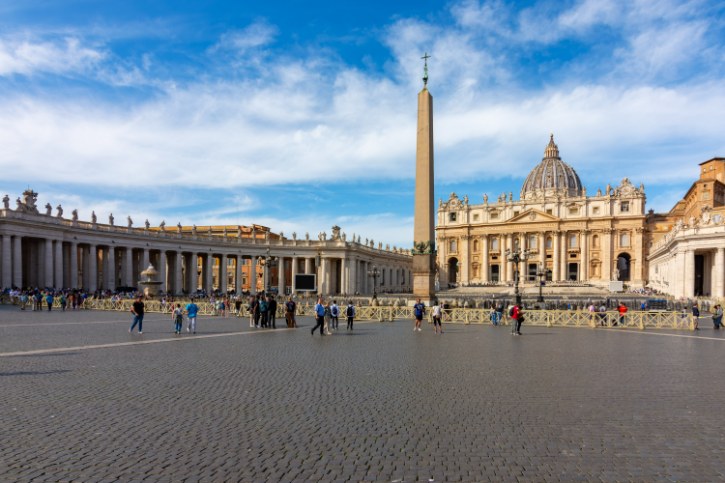
- St. Peter’s Square: about 26 to 28 minutes up Via della Lungara
- Vatican Museums entrance: about 36 to 39 minutes around the walls, through a separate door
- From southern Trastevere, a northbound bus saves you time
e. Termini Is a Ride, Not a Walk
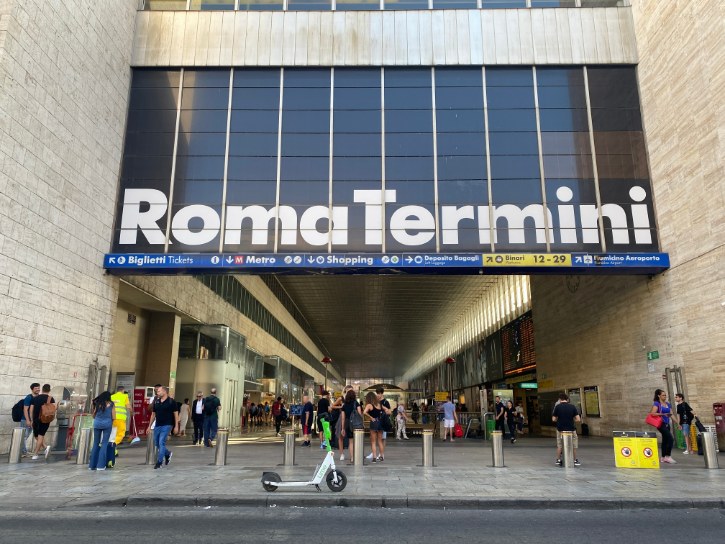
- Roma Termini: about 42 to 45 minutes on foot, which is impractical with bags
- Take Bus H from Viale di Trastevere, or grab a taxi
- Save this one for transit, especially on your arrival day
6. Getting Around the City From Your Door
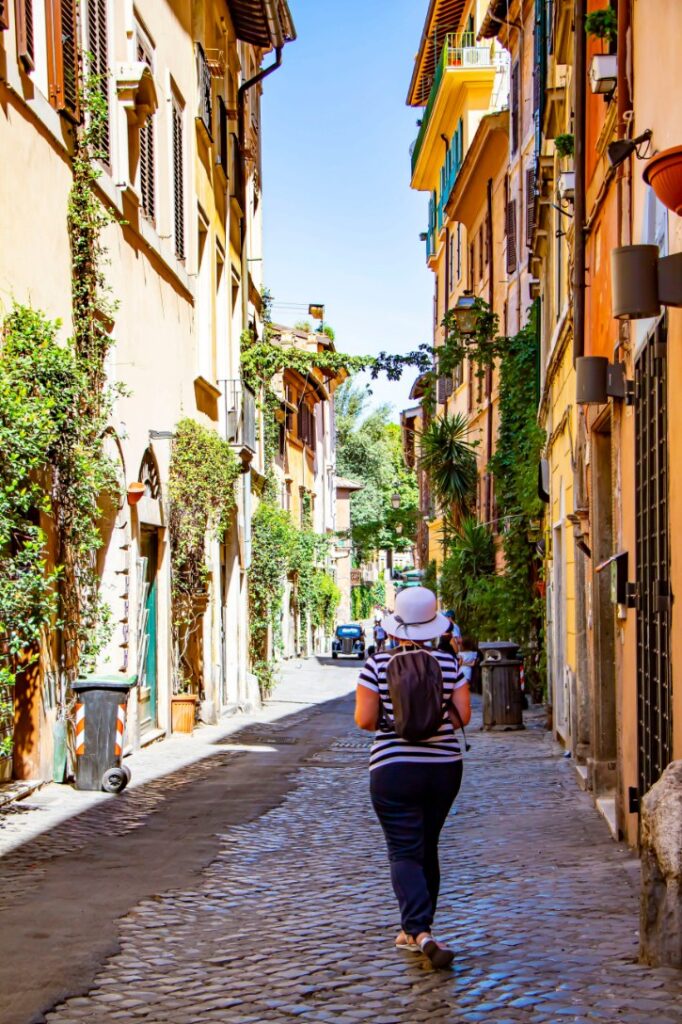
a. Walking, the Best Way With a Few Catches
- Dense lanes and short bridges make for lovely, car-light walks
- Watch for uneven cobbles, tight sidewalks, and passing scooters
- Steep stairs climb toward the Janiculum, and wet stones turn slick
- Carrying heavy bags or pushing a stroller? Choose the flatter avenues
b. Tram 8, Your Fast Lane Across the River
Tram 8 is the simplest, quickest way out of the quarter. It runs the length of Viale di Trastevere to Piazza Venezia, reaching the center in roughly ten minutes and running frequently through the day. It is especially handy if you stay near the avenue, though ongoing track works sometimes replace it with buses on part of the route, so check before you leave.
c. Buses That Cover the Rest
- Bus H: straight to Piazza Venezia and Termini, your main link to the trains
- Bus 75: to Testaccio, Circo Massimo, the Colosseum, and Termini
- Bus 23: along the Tiber toward the Vatican
- Expect slowdowns during peak traffic
d. Taxis and the Airport Train
- Walk to an official taxi rank, such as the one near Piazza Trilussa, or book by app, since flagging one down rarely works
- Taxis are worth it late at night, in the rain, or with heavy luggage
- Roma Trastevere station, south of the center, runs the FL1 train straight to Fiumicino Airport
- Staying by the station eases airport trips but loses the historic charm
e. The Metro, Plus Bikes and Tour Buses
- No Metro runs here, but you can reach Line B at Circo Massimo, Piramide, or Colosseo by bus or tram, and Line A through Termini or the Vatican
- Hop-on, hop-off buses stop outside the quarter, not inside the lanes
- The flat Tiber bike path is great, while the cobbled streets are not ideal for casual riders
7. The Most Beautiful Spots Right Outside Your Door
a. The Basilica di Santa Maria in Trastevere
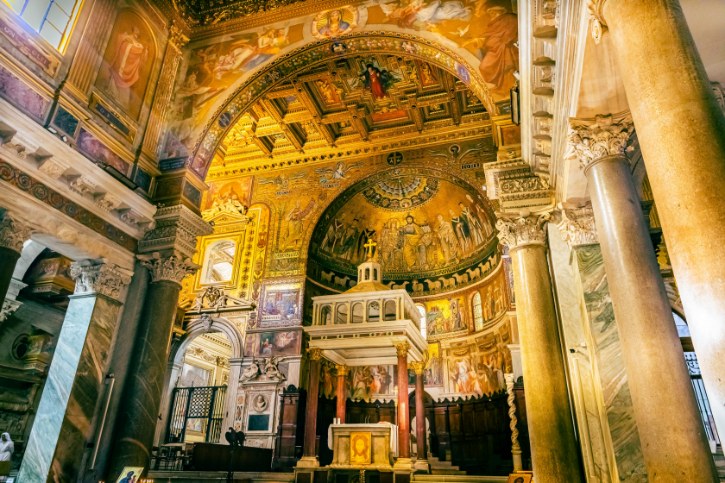
Anchoring the main square is one of Rome’s oldest churches. Inside you find glowing twelfth-century mosaics, ancient columns salvaged from the Baths of Caracalla, and a facade that lights up beautifully after dark. Staying nearby lets you slip in during the quiet mornings before the crowds arrive.
b. Two Hidden Churches With Secret Layers
- Santa Cecilia: a serene courtyard, a famous marble statue, and Roman ruins beneath the nave
- San Crisogono: iron stairs lead down to an early Christian church buried below street level
- Both stay quiet and atmospheric, and both reward a slow look
c. Renaissance Art Without the Vatican Queues
- Villa Farnesina: frescoes by Raphael and his school, plus elegant Italian gardens
- Palazzo Corsini: paintings by Caravaggio, Rubens, and Guido Reni
- The Botanical Garden behind it is a shaded, peaceful escape from the busy lanes
d. Janiculum Hill for the Best Views in Rome
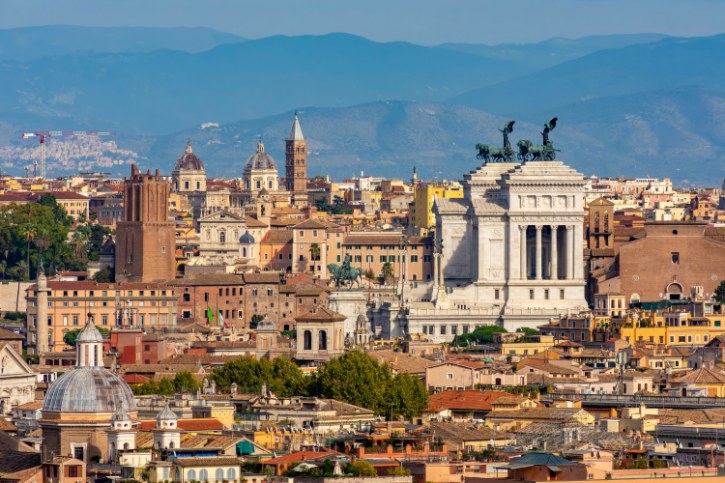
Climb west, and the rooftops open into sweeping views across the city’s domes. You pass Bramante’s tiny Tempietto and the grand Fontana dell’Acqua Paola along the way, and every day at noon a ceremonial cannon still fires from the terrace. Trust me, the view at sunset is worth the uphill walk.
e. Tiber Island, Ancient Bridges, and the Sunday Market
- Cross Ponte Cestio onto boat-shaped Tiber Island, still home to a hospital and a church
- Ponte Fabricio, built in 62 BC, is Rome’s oldest surviving bridge
- On Sunday mornings, the huge Porta Portese flea market fills the southern streets
Read More: Rome’s Trastevere Is Easy to Explore — These 12 Amazing Spots Are Just Minutes Apart
8. Why the Food Scene Alone Is Worth Staying For
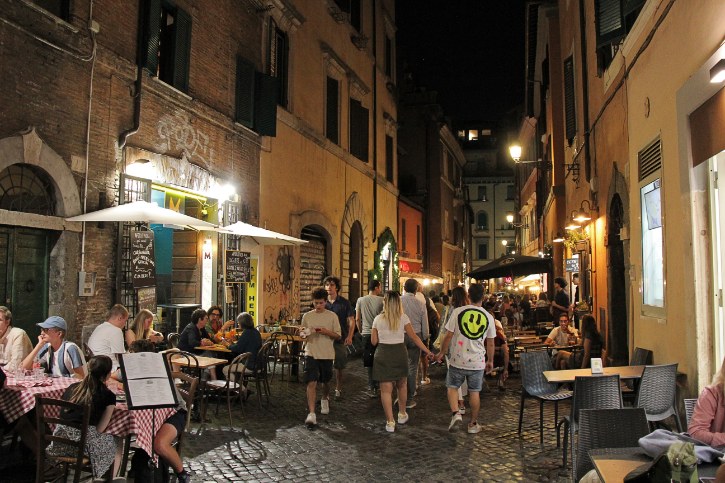
a. A Dense Spread of Roman Flavors
- Trattorias, pizzerias, street-food counters, and cafés line nearly every lane
- Local classics to try include cacio e pepe, carciofi alla romana, and suppli
- Quality varies with the crowds, so choose with a little care
b. Dinner Under the Stars
In good weather, tables spill onto the cobbles beneath ivy and old stonework. With so many restaurants just minutes from your room, you can linger over dinner and simply walk home afterward.
c. A Neighborhood That Dines Late
- Aperitivo runs from around 5 pm, with restaurants filling from 7
- Bars and pubs around Piazza Trilussa and San Calisto stay busy past midnight
- Many traditional kitchens close around 10, leaving the late hours to the bars
d. How to Eat Well, Not Just Nearby
- Skip the tables sitting right on Piazza Santa Maria
- Walk past pushy touts, and check the posted menu first
- A quiet side street is no guarantee of better food, so look around before you sit
e. Eating the Roman Way
Meals here are meant to be slow, shared, and social. Dinner stretches out over conversation and shared plates, and it all feels easier when your bed is just around the corner.