Japan can feel overwhelming on a first trip. There are so many cities, temples, castles, food spots, and day trips competing for your attention.
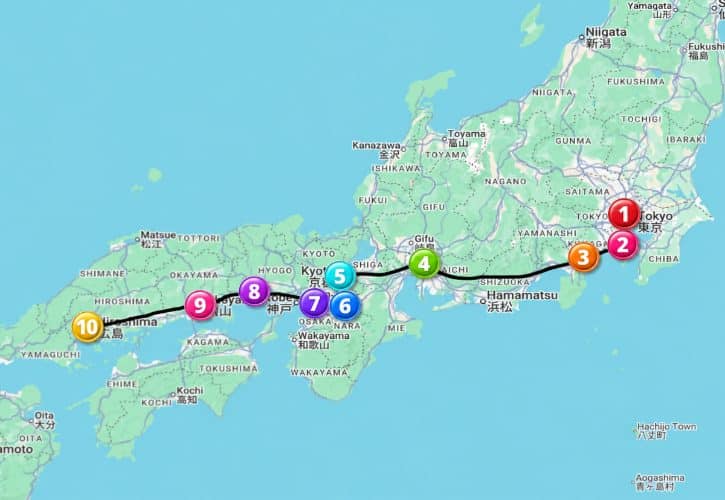
This route is one of the most natural ways to see Japan’s best highlights by train, moving from Tokyo toward Hiroshima.
You do not need to visit every stop. Pick the places that match your travel style and the days you have.
It works for short trips and can be stretched for a slower pace, combining big cities, historic towns, scenic nature, gardens, castles, and easy train connections. 😊
1. Tokyo
a. Why Tokyo Is the Best Place to Start
Most international flights land at Haneda or Narita, and both have direct train links into the city.
Tokyo’s mix of neighborhoods gives you a strong base while you settle into Japan’s pace.
b. Best Areas to Explore in Tokyo
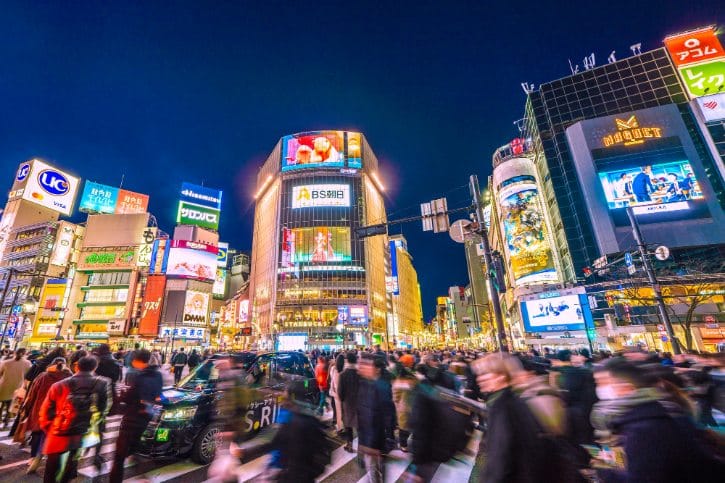
- Shibuya for the famous crossing, shopping, and nightlife.
- Shinjuku for city views, food alleys, and a major train hub.
- Asakusa for Senso-ji Temple and the old Tokyo feel.
- Ueno for parks, museums, and open-air markets.
- Ginza and Tokyo Station for upscale shopping and food halls.
- Harajuku and Omotesando for fashion, cafés, and pop culture.
c. What Makes Tokyo Special on This Route
Tokyo shows you the modern face of Japan before the route eases into smaller cities.
The contrast of neon skyscrapers and small traditional shrines tucked between them sets the tone for everything that follows.
d. How Long to Stay
Plan for at least 5 days. Add more if you want Tokyo Disneyland, teamLab, or a Mt. Fuji day trip.
Read More:
e. Train Connection to the Next Stop: Yokohama
- Departure: Tokyo Station
- Arrival: Yokohama Station
- Train line: JR Tokaido Line, JR Yokosuka Line, or JR Keihin-Tohoku Line
- Transfer: None
- Journey time: Around 25 to 40 minutes
- Easiest option: The JR Tokaido Line or JR Yokosuka Line from Tokyo Station.
2. Yokohama
a. Why Yokohama Is Worth Adding
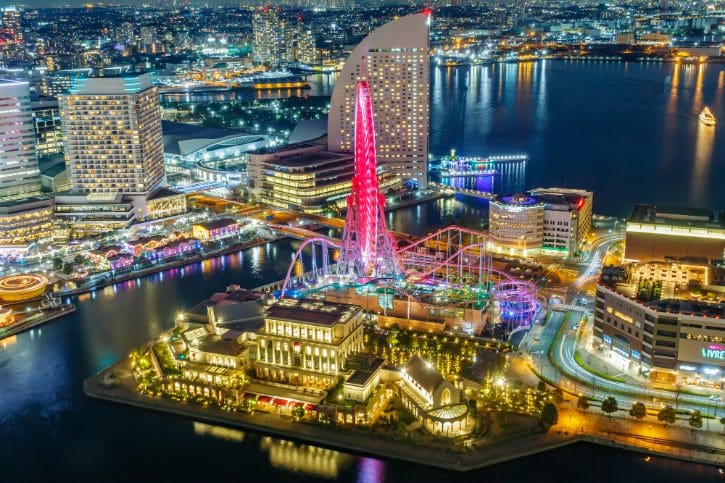
It’s easy to skip Yokohama, but that’s a small mistake. You get harbor views, a calmer waterfront, and a slower pace that contrasts nicely with Tokyo.
b. Best Things to See in Yokohama
- Minato Mirai for skyline views and waterfront walks.
- Red Brick Warehouse for cafés and small shops.
- Yamashita Park for sea views and a quiet stroll.
- Chinatown for street food and lively streets.
- Cup Noodles Museum for a fun, quirky stop.
- Landmark Tower for sweeping city views.
Read More: 12 Best Things to Do in Yokohama
c. Best Way to Experience Yokohama
Arrive in the morning and stay into the evening for the lit-up skyline. Combine Chinatown and Minato Mirai as a natural pairing.
d. Day Trip or Overnight?
A day trip works well when time is tight. An overnight stay suits travelers who want a slower start before Hakone.
e. Train Connection to the Next Stop: Hakone
- Departure: Yokohama Station
- Arrival: Hakone-Yumoto Station
- Train line: JR Tokaido Line, then Hakone Tozan Railway
- Transfer: Odawara Station
- Journey time: Around 1 hour 15 to 20 minutes
- Easiest option: Rapid service on the JR Tokaido Line to Odawara, then the Hakone Tozan Railway.
3. Hakone
a. Why Hakone Fits This Route
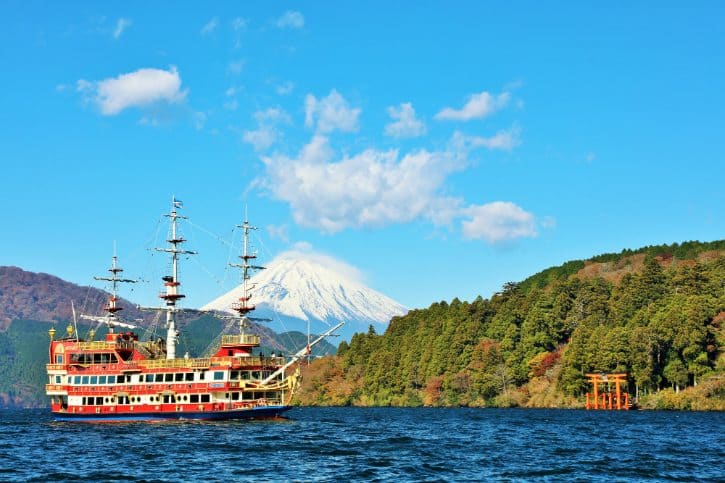
Hakone is your scenic nature stop. It’s known for hot springs, ryokan stays, lake scenery, and possible Mt. Fuji views on clear days. After busy days in Tokyo and Yokohama, it gives you a real chance to rest.
b. Best Things to Do in Hakone
- Lake Ashi for boat rides and lake scenery.
- Hakone Shrine and the famous lakeside torii gate.
- Owakudani, a volcanic valley with steam vents.
- Hakone Ropeway for sweeping views.
- Open-air museums and art spaces in the area.
- Onsen bathing and a ryokan stay with dinner and breakfast.
Read More: 10 Best Things to Do in Hakone
c. How to Enjoy Hakone Without Rushing
Stay at least one night if you can. The area uses trains, buses, ropeways, and boats, so allow time between sights. Mt. Fuji views depend on the weather, so go in flexible.
d. Best Type of Traveler for Hakone
Great for first-time visitors who want nature, couples and families, anyone interested in onsen culture, and visitors hoping for Mt. Fuji views without going deeper into the Fuji Five Lakes area.
e. Train Connection to the Next Stop: Nagoya
- Departure: Hakone-Yumoto Station
- Arrival: Nagoya Station
- Train line: Hakone Tozan Railway, then JR Tokaido Shinkansen
- Transfer: Odawara Station
- Journey time: Around 1 hour 30 minutes via Shinkansen Hikari
- Easiest option: Hakone Tozan Railway to Odawara, then Shinkansen Hikari to Nagoya.
4. Nagoya
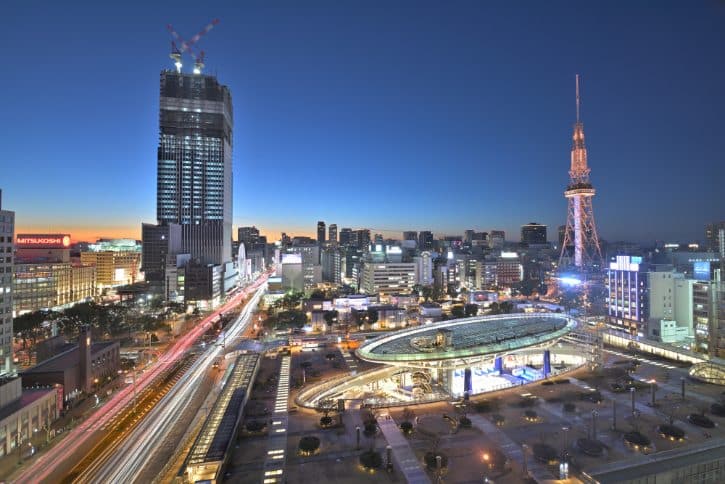
a. Why Nagoya Is Worth Considering
Nagoya is often treated as a transfer point, but it deserves a proper stop. It’s a major Shinkansen hub between Tokyo and Kyoto or Osaka, with a distinctive food scene and a less overwhelming scale.
b. Best Things to See in Nagoya
- Nagoya Castle with its gold dolphin roof ornaments.
- Atsuta Shrine, a peaceful forested shrine.
- Osu Shopping District for retro shops and street food.
- Sakae District and Oasis 21 for modern downtown shopping.
- Toyota Commemorative Museum of Industry and Technology.
- SCMAGLEV and Railway Park for train fans.
c. Food to Mention in Nagoya
- Hitsumabushi, grilled eel over rice.
- Miso katsu, pork cutlets with red miso sauce.
- Tebasaki, peppery deep-fried chicken wings.
- Kishimen, flat wheat noodles in savory broth.
- Ogura toast, toast with red bean paste and butter.
- Nagoya’s famous morning breakfast culture at coffee shops.
d. How Long to Stay
Half a day for a stopover, one night for a relaxed visit, or two nights with day trips.
e. Train Connection to the Next Stop: Kyoto
- Departure: Nagoya Station
- Arrival: Kyoto Station
- Train line: JR Tokaido Shinkansen
- Transfer: None
- Journey time: Around 35 minutes
- Easiest option: Any direct Shinkansen (Nozomi or Hikari) from Nagoya.
5. Kyoto
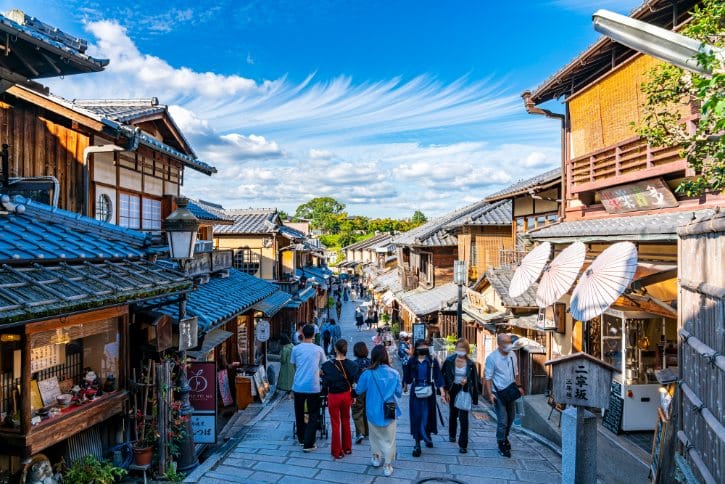
a. Why Kyoto Is One of the Biggest Highlights
Kyoto is the cultural heart of this route. Once Japan’s imperial capital, it holds famous temples, shrines, traditional streets, and seasonal gardens. It also works as a strong base for day trips to Nara and Osaka.
b. Best Areas and Attractions in Kyoto
- Fushimi Inari Taisha for the red torii gate paths.
- Kiyomizu-dera and the Higashiyama district for old streets.
- Gion for traditional lanes and quiet evening walks.
- Arashiyama for the bamboo grove and temples.
- Kinkaku-ji, the Golden Pavilion.
- Philosopher’s Path for a quiet, scenic walk.
- Nishiki Market for local snacks and skewered foods.
Read More: Top 17 Things to Do in Kyoto
c. How to Plan Kyoto Without Feeling Rushed
Group your days by area so you’re not crossing the city back and forth. Start early at famous spots before crowds build. Pick fewer places and enjoy them properly.
d. Best Length of Stay
3 days for the highlights, 4 to 5 for a slower pace, or 2 if your trip is tight. Extra days open up Uji, Kurama, Kibune, or Amanohashidate.
Read More:
e. Train Connection to the Next Stop: Nara
- Departure: Kyoto Station
- Arrival: JR Nara Station or Kintetsu-Nara Station
- Train line: JR Nara Line or Kintetsu Kyoto Line
- Transfer: None on either
- Journey time: About 45 minutes (JR Miyakoji Rapid) or 35 minutes (Kintetsu Limited Express)
- Easiest option: With a Japan Rail Pass, take the JR Miyakoji Rapid. Without, the Kintetsu Limited Express is faster and closer to the temples.
6. Nara
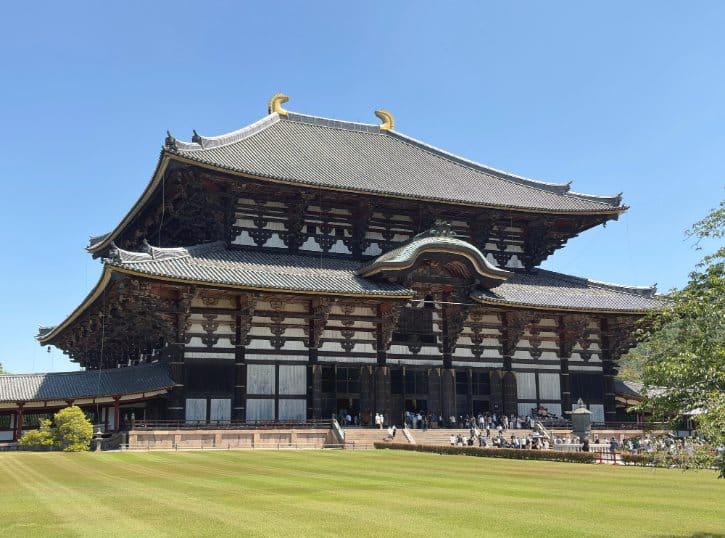
a. Why Nara Belongs on This Route
Nara is more than the deer city. It was Japan’s first permanent capital and still holds some of the country’s most important temples. The main sightseeing area is compact and noticeably calmer than Kyoto.
b. Best Things to See in Nara
- Nara Park with its free-roaming deer.
- Todai-ji Temple and the Great Buddha.
- Kasuga Taisha Shrine with lantern-lined paths.
- Kofuku-ji Temple and its five-story pagoda.
- Isuien and Yoshikien
- Naramachi, a quiet old merchant district.
Read More: A Complete Guide to Nara
c. How to Experience Nara Properly
Arrive early before tour groups roll in. Keep snacks and paper tucked away around the deer. Step inside the temples instead of just photographing them, and end the day with a walk through Naramachi.
d. Day Trip or Overnight?
A day trip is enough for most travelers. An overnight stay suits slower travelers who want the park after the crowds leave.
e. Train Connection to the Next Stop: Osaka
- Departure: JR Nara or Kintetsu-Nara Station
- Arrival: JR Osaka Station or Osaka-Namba Station
- Train line: JR Yamatoji Line or Kintetsu Nara Line
- Transfer: None on either
- Journey time: About 50 minutes (JR Yamatoji Rapid) or 36 minutes (Kintetsu Nara Rapid Express)
- Easiest option: For Umeda, take the JR Yamatoji Rapid. For Namba, take the Kintetsu Nara Rapid Express.
7. Osaka
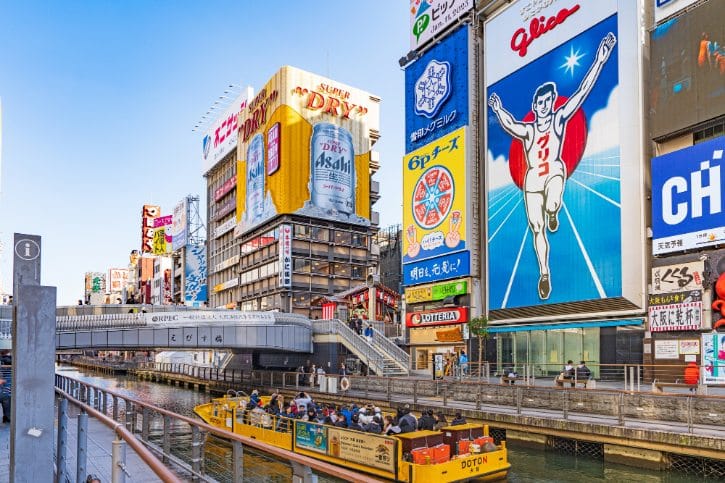
a. Why Osaka Is a Must-Visit Stop
Osaka is the lively food and entertainment stop. Known as Japan’s food capital, it has strong nightlife and shopping, and feels very different from Kyoto. It’s also one of the best transport bases in western Japan.
b. Best Areas to Explore in Osaka
- Namba for food, shopping, and nightlife.
- Dotonbori for neon signs and canal-side street food.
- Shinsaibashi for the long covered shopping arcade.
- Umeda for department stores and city views.
- Shinsekai for a retro food street feel.
- Osaka Castle area for history and park scenery.
- Universal Studios Japan for families and theme park fans.
Read More: Top 17 Things to Do in Osaka
c. Best Food Experiences in Osaka
- Takoyaki, octopus-filled batter balls.
- Okonomiyaki, savory pan-fried pancake.
- Kushikatsu, deep-fried skewers.
- Ramen and conveyor belt sushi.
- Department store food halls for variety.
- Kuromon Market, though it’s become quite touristy.
Read More: 10 Best Places to Eat in Osaka
d. How Long to Stay
2 to 3 days is right for most first-time visitors, plus extra for Universal Studios Japan. Osaka also works as a fixed base for side trips to Himeji or Kobe.
Read More:
e. Train Connection to the Next Stop: Himeji
- Departure: Shin-Osaka Station or Osaka Station
- Arrival: Himeji Station
- Train line: JR Sanyo Shinkansen or JR Special Rapid Service
- Transfer: None on either
- Journey time: About 23 to 30 minutes (Shinkansen) or 60 to 65 minutes (Special Rapid)
- Easiest option: With a JR rail pass, the bullet train from Shin-Osaka. Without, the direct JR Special Rapid Service from Osaka Station.
8. Himeji
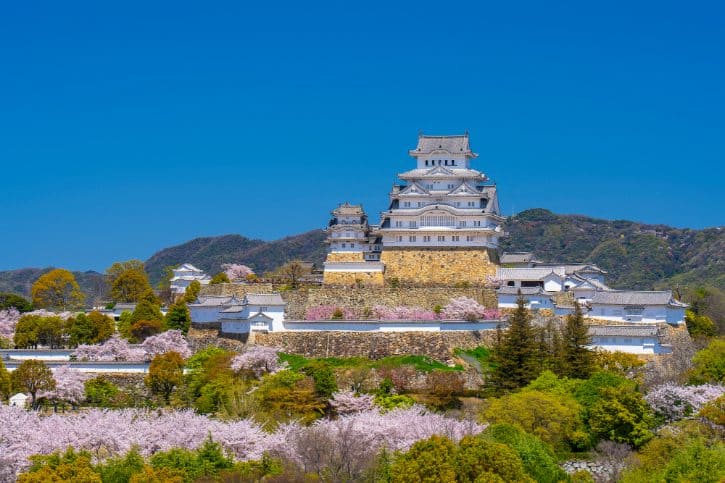
a. Why Himeji Is Worth the Stop
Himeji Castle is widely seen as one of the most beautiful and best-preserved original castles in Japan. The sightseeing area is small and walkable, so it works even on a tight schedule.
b. Best Things to See in Himeji
- Himeji Castle, the “White Heron Castle” and a UNESCO site.
- Koko-en Garden, nine traditional gardens beside the castle.
- Otemae-dori, the tree-lined avenue from station to castle.
- The best viewpoints around the castle grounds.
- Mount Shosha and Engyo-ji Temple as an optional add-on.
c. How to Plan a Himeji Visit
Leave luggage in a coin locker at Himeji Station if you’re stopping between cities. Visit early to beat crowds, and pair the castle with Koko-en Garden. Climbing inside the keep takes longer than expected.
d. Day Trip or Stopover?
A day trip from Osaka works well, and a stopover between Osaka and Okayama or Hiroshima is one of the smoothest ways to add it. An overnight stay mainly suits Mount Shosha visits.
e. Train Connection to the Next Stop: Okayama
- Departure: Himeji Station
- Arrival: Okayama Station
- Train line: JR Sanyo Shinkansen
- Transfer: None
- Journey time: About 20 to 30 minutes on Nozomi or Sakura
- Easiest option: The direct Sanyo Shinkansen.
9. Okayama
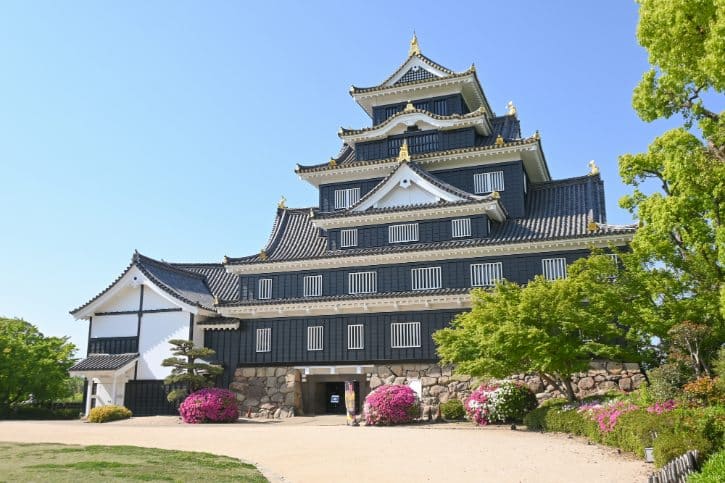
a. Why Okayama Is Useful on This Route
Okayama is an underrated stop between Osaka and Hiroshima. This is where the route starts to feel more relaxed. The big draw is Korakuen Garden, one of Japan’s three most celebrated gardens, and Okayama is also the gateway to Kurashiki.
b. Best Things to See in Okayama
- Korakuen Garden for wide lawns and scenic views.
- Okayama Castle, the “Crow Castle” for its black walls.
- Views along the Asahi River between the two.
- Local shopping streets and relaxed café stops.
c. Optional Side Trip: Kurashiki
Kurashiki is a preserved historic merchant town a short train ride away. The Bikan Historical Quarter has willow-lined canals and white-walled warehouse buildings.
- Departure: Okayama Station
- Arrival: Kurashiki Station
- Train line: JR Sanyo Main Line
- Transfer: None
- Journey time: About 17 minutes
- Easiest option: The direct local train on the JR Sanyo Main Line.
d. How Long to Stay
Half a day for the garden and castle, one night if adding Kurashiki, two nights for a slower visit.
e. Train Connection to the Next Stop: Hiroshima
- Departure: Okayama Station
- Arrival: Hiroshima Station
- Train line: JR Sanyo Shinkansen
- Transfer: None
- Journey time: About 35 to 40 minutes on Nozomi or Sakura
- Easiest option: Any direct Sanyo Shinkansen.
10. Hiroshima
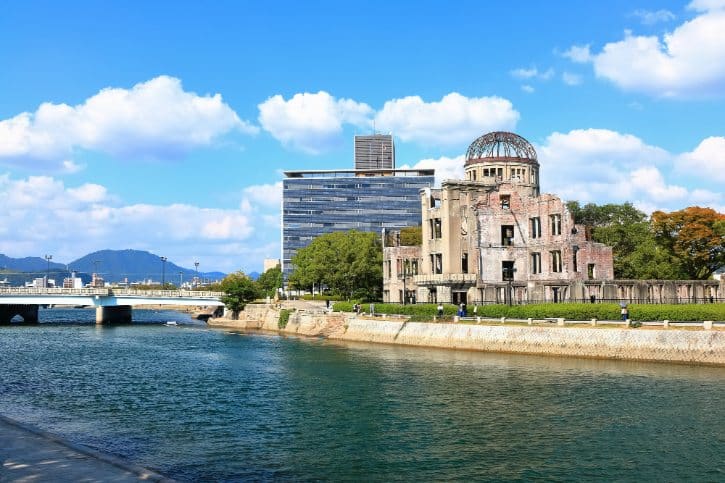
a. Why Hiroshima Is a Strong Final Stop
Hiroshima gives the route real emotional weight. The Peace Memorial Park and museum are sobering and important. The city itself is calm, the food is strong, and the Miyajima side trip closes the journey on a beautiful note.
b. Best Things to See in Hiroshima City
- Peace Memorial Park and its monuments.
- Hiroshima Peace Memorial Museum.
- Atomic Bomb Dome, a UNESCO site visible from the park.
- Hiroshima Castle and Shukkeien Garden.
- Hondori shopping arcade for everyday city life.
- Okonomimura for Hiroshima-style okonomiyaki.
Read More: A Complete Guide to Hiroshima
c. Side Trip to Miyajima
Itsukushima Shrine and its famous floating torii gate are the main draw, but the island has more to offer.
- Free-roaming deer near the ferry terminal and shrine.
- The Mount Misen ropeway with views from the top.
- The Omotesando shopping street near the ferry.
- Momiji manju, the local maple leaf cakes.
Works well as a half-day or full-day trip.
- Departure: Hiroshima Station
- Train line: JR Sanyo Line
- Ferry route: JR West Miyajima Ferry
- Transfer: Miyajimaguchi Station
- Journey time: 25 to 30 minutes on the train, plus a 10-minute ferry
- Easiest option: JR Sanyo Line to Miyajimaguchi, then the JR West Miyajima Ferry. Both are covered by the standard Japan Rail Pass.
d. How Long to Stay
2 days is right for both the city and Miyajima. 1 day is possible but tight. 3 days for a slower visit. Don’t rush the Peace Memorial Museum.
e. How to End the Route
- To Osaka on the Sanyo Shinkansen, about 1 hour 25 minutes.
- To Kyoto on the Sanyo Shinkansen (with the Tokaido Shinkansen if needed), about 1 hour 45 minutes.
- To Tokyo on a direct Shinkansen Nozomi, about 4 hours.
- Fly out from Hiroshima, Osaka, or Tokyo.
- Continue to Kyushu if you have more time.
A domestic flight from Hiroshima to Tokyo Haneda can be more practical than the long Shinkansen.
Final Planning Tips
a. How Many Days You Need for This Route
- 10 days: A fast version, with Hakone and Himeji as quick stopovers.
- 14 days: A balanced version with comfortable pacing. The sweet spot for most first-time visitors.
- 18 to 21 days: A slower version that adds Yokohama, Nagoya, and Okayama as proper stops.
Try not to change hotels every single night.
b. Best Places to Stay Overnight
- Tokyo as the starting base.
- Hakone for the ryokan and onsen experience.
- Kyoto for temples and traditional neighborhoods.
- Osaka as the hub for food, nightlife, and transport.
- Hiroshima for the Peace Memorial sites and Miyajima.
Yokohama, Nagoya, Himeji, Nara, and Okayama work well as day trips or short stays.
c. Train Pass and Ticket Planning
Not every traveler needs the same rail pass. Compare your route against pass prices before buying. The main cost is the long-distance Shinkansen rides.
An IC card like Suica, Pasmo, or ICOCA is very useful for local trains, buses, and convenience stores.
Reserve seats in advance during public holidays and cherry blossom season. Travel light, and use luggage forwarding services if you’re moving between cities often. Pass rules can change, so confirm the latest details before you buy.